
Disaster

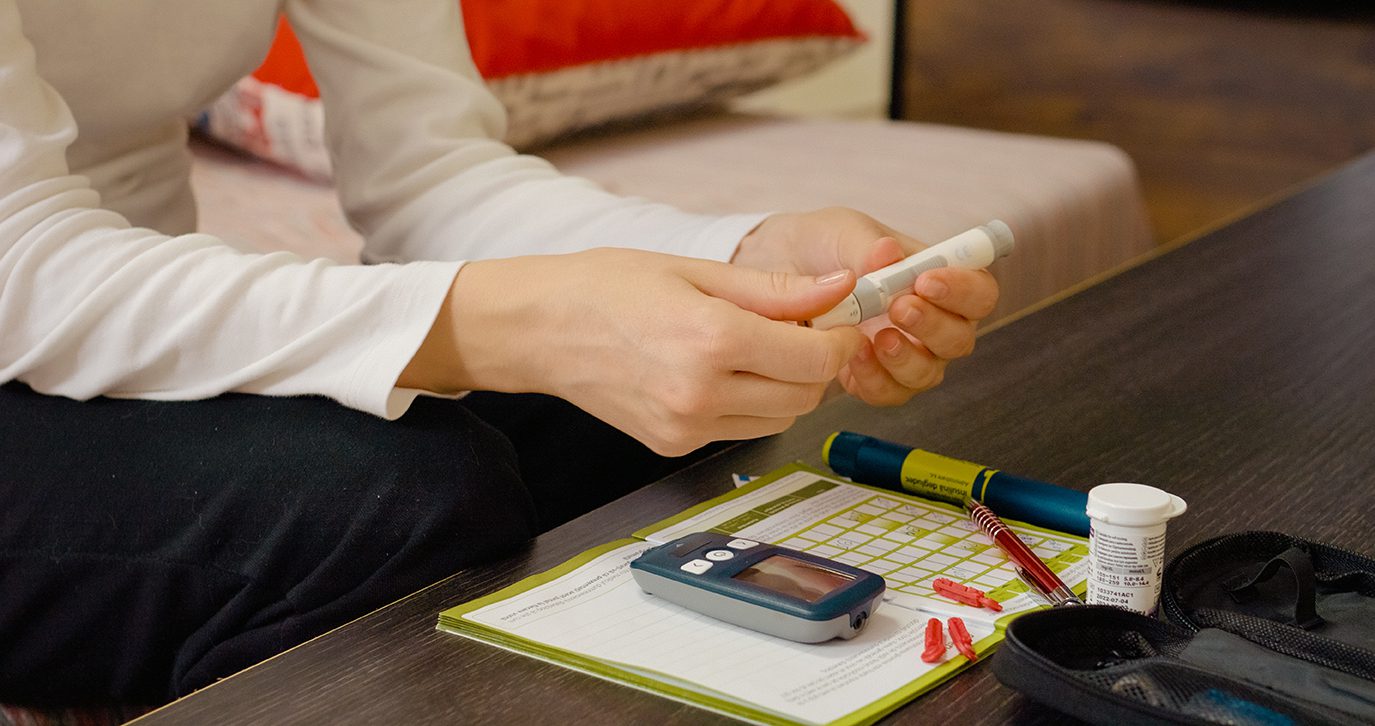
Emergencies can happen with little warning. Severe weather, power outages, illness, or transportation problems can make access to medications, food, clean water, and health care difficult. For people living with diabetes, having a diabetes emergency kit prepared can help prevent missed medications, unsafe blood sugar levels, and increased stress during an already demanding situation.
Diabetes Supplies to Keep on Hand
A diabetes emergency kit should be stored in an easy-to-carry, waterproof container or bag and kept in a place that is easy to reach. The Centers for Disease Control and Prevention (CDC) recommends packing enough supplies to last at least 1 to 2 weeks if possible. Each person’s kit will look different, depending on their diabetes care plan. Talk to your doctor, pharmacist, or diabetes care team to decide what items should be included in your kit. Common supplies may include the following:
- Insulin, if prescribed
- Syringes, pen needles, or other insulin delivery supplies
- Oral diabetes medications and other prescription medications
- Blood glucose meter
- Test strips
- Lancets and lancing device
- Extra batteries for glucose meters, insulin pumps, or other devices
- Alcohol wipes
- Empty sharps container or hard plastic container for used needles and lancets
Food and Low-Blood-Sugar Supplies
Blood sugar can drop during an emergency—especially when meals are delayed, activity levels change, and medication is taken without enough food. Keep quick-acting carbohydrates in your kit to treat low blood sugar. Examples include the following:
- Glucose tablets
- Juice boxes
- Regular sodas
- Honey packets
- Hard candy that is not sugar-free
It is also helpful to keep nonperishable foods that are sources of both carbohydrate and protein. These can be useful if meals are delayed or access to food is limited. Options may include the following:
- Peanut butter or nut butter packets
- Whole-grain crackers
- Tuna or chicken packets
- Nuts or trail mix
- Granola or protein bars
Also, staying hydrated is important, especially during extreme heat, illness, or high blood sugar. So, make sure to pack bottled water as part of your supply kit.
Storage Considerations
If insulin is part of your diabetes plan, protect it from extreme temperatures. During a power outage, try to keep insulin cool, but do not freeze it. Keep insulin away from direct sunlight, heat, and extreme cold. Do not place insulin directly on ice. A small cooler, insulated bag, or reusable cold pack can help protect insulin during travel or evacuation. When properly stored insulin is available again, replace the insulin that may have been damaged by heat, freezing, or long periods at room temperature.
Tips for Staying Prepared
Do not wait until a storm or emergency is coming to build your kit. Preparing ahead of time can make diabetes management safer and less stressful when daily routines are interrupted. Start small and add items over time. Store supplies together, label the container clearly, and tell a trusted family member or caregiver where the kit is kept. Also, review the kit every few months. Replace any used or out-of-date items, update medication lists, and make sure batteries and chargers still work. Having a diabetes emergency kit cannot prevent every problem, but it can give you the supplies, information, and confidence needed to manage diabetes during unexpected situations.
Resources
- Diabetes Care in Emergencies—Centers for Disease Control and Prevention
- Disaster Relief: Tips for Emergency Preparedness—American Diabetes Association