
Crop Production

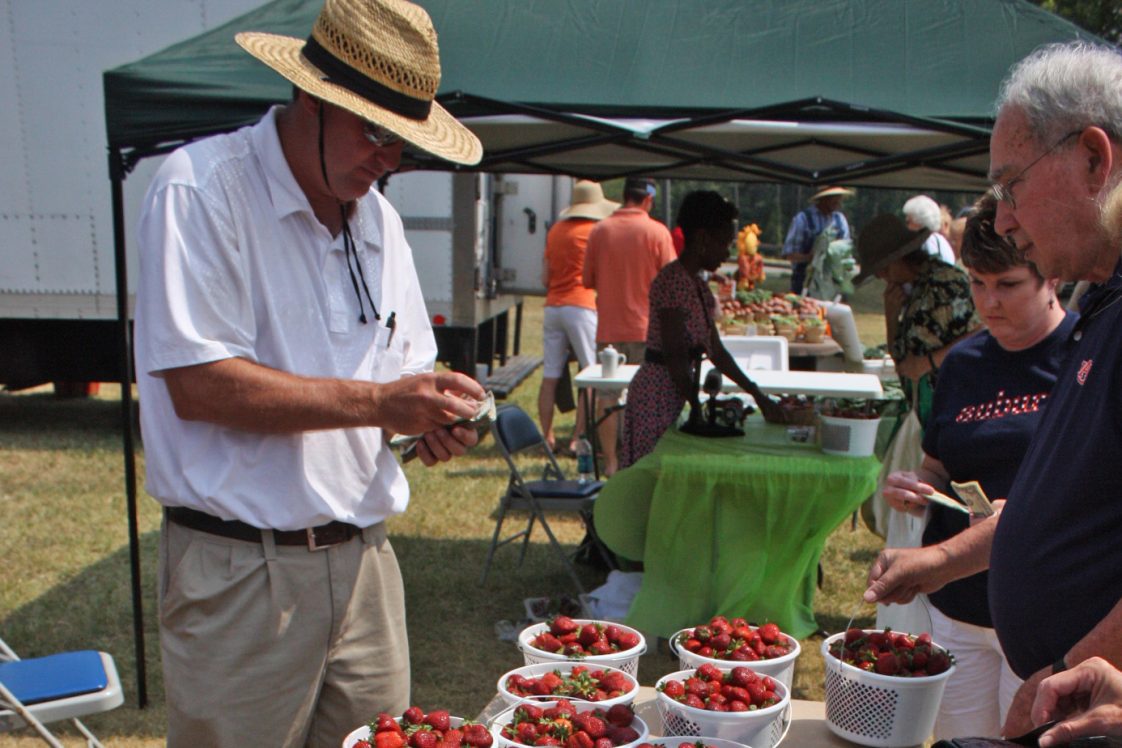
The farmers market season is coming to a close. If you sell products to consumers but do not currently sell at a farmers market, then it may be time to consider local markets near you. Whether you are an established farm looking to expand your points of sale or a new farm wondering where to begin, farmers markets can be a key part of any farm’s business plan, no matter the size.
How To Start
Now is the ideal time to visit potential markets where you can become a vendor for the next growing season. To begin, first reach out to the market manager and let them know you are interested in becoming a vendor. Many markets hold kickoff meetings in late winter or early spring to discuss rules and assign vendor spots. You can share your contact information with market managers to stay informed of grower meetings or updates during the off-season.
It is important to get in contact with the farmers market manager as soon as possible so you can prepare. There are markets that don’t want to duplicate certain commodities to control competition. For example, the manager of Market A believes they have more than enough tomato vendors, but they lack cut-flower vendors. Therefore, they may encourage newcomers to become cut-flower vendors instead of selling tomatoes. This way, the market develops a diverse selection of products that keeps the customers interested and does not oversaturate any product.
If you are unsure where the farmers markets in your area are located, you can search by county for state-sanctioned farmers markets through this link.
All markets listed on this site follow the rules and guidelines set by the Alabama Farmers Market Authority. However, some markets have additional local rules, so it is important to review the specific rules for each market to ensure you are aware of any unique requirements.
Why Sell at a Farmers Market?
Below are a few reasons to consider selling at a farmers’ market.
- Higher Profit Margins: You sell directly to the consumer, eliminating the middleman and allowing you to set your own prices. This often results in the most profitable sales for a farm.
- Customer Relations: You have direct contact with the consumers of your products. They can ask questions, and you can build strong relationships with your customers. For new farms, this is an excellent way to create and grow a loyal customer base.
- Streamlined Sales: Most markets operate on dedicated dates and times, which creates a concentrated period of customer traffic. You can bring your products and maximize sales within a specific timeframe, freeing up more time for farm work or the opportunity to sell at other markets in different areas.
Tips and Considerations
Read the market rules. Some markets require vendors to obtain insurance. If you have a younger family member who wants to sell, there may be protocol that should be followed. Some markets have vendor fees, whether that be an upfront cost for a booth or a percentage of sales. Markets will require you to obtain a free growers permit, which you can apply for and receive from your local county Extension office. To obtain the growers permit, make sure to bring to your ID.
Scout the market ahead of time. Take note of how other vendors layout their booths. A typical booth has a U-shape, where the vendor is enclosed on three sides and there is always a table between the vendor and client. If it is possible to move the tables at the booth, the vendor could also try an S-Shaped booth. This layout allows the customers to be guided up to the register, which also creates a natural line for customers to follow.
Review your branding. Will you be selling organic, certified organic, Alabama grown, or another marketable type of produce? Remember to include and market yourself within the branding. For example, if you are a member of Sweet Grown Alabama, make sure to use their provided branding. You can also get a free Support Alabama Growers sign from Extension.
Check in with your food safety protocols. If you have any questions on whether your prepared food is safe to sell, contact your local Food Safety Extension agent.
More Information
If would like further assistance in learning how to grow crops, developing a business plan or finding a market, reach out to your county Extension office. The county Extension office can put you in touch with an agent who is available to help you via phone, email, meeting at the county office, or setting up a farm visit.
For any farm and agribusiness management questions please reach out to the Farm and Agribusiness Management Team. For any questions related to Commercial Horticulture, reach out to the Commercial Horticulture Team. Alabama Cooperative Extension System (ACES) is here to assist you and your farm so you can be successful.