
Crop Production

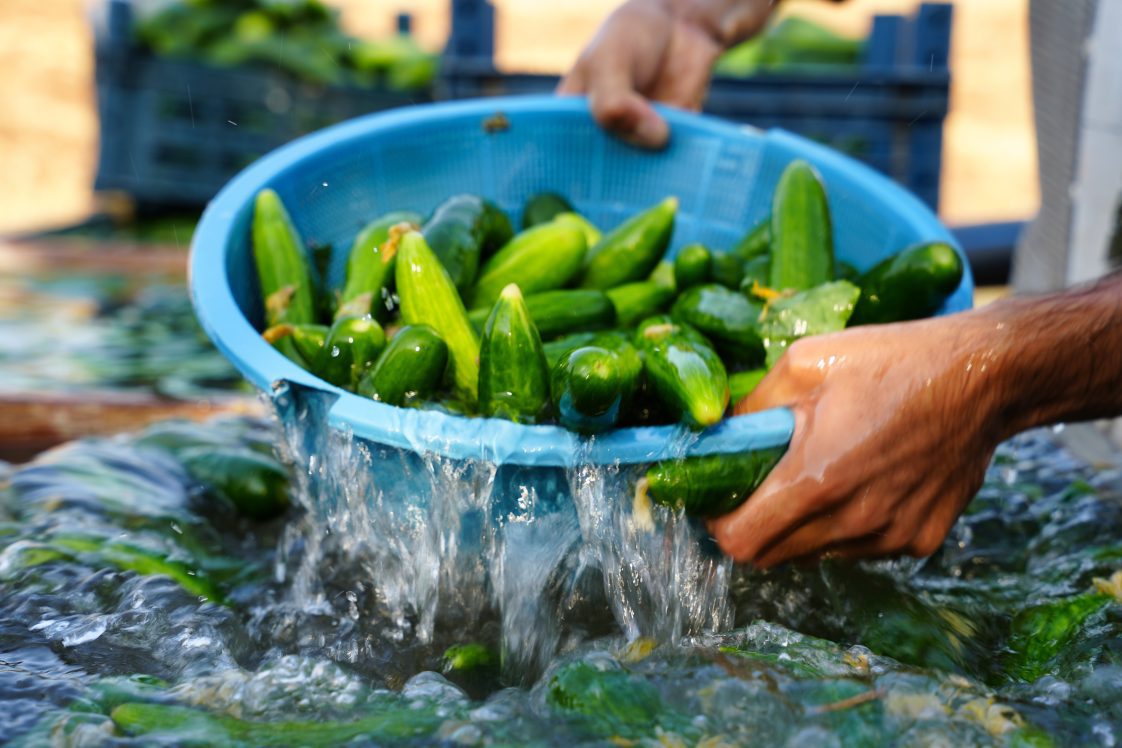
Best Practices for Washing Produce
- Maintaining food safety during postharvest activities is important to prevent contamination and protect consumer health.
- Implementing effective postharvest washing and sanitation practices is essential for maintaining produce safety.
- By using appropriate sanitizers and following best practices, farms and packinghouses can reduce the risk of contamination and ensure the delivery of safe produce to consumers.
Importance of Washing Produce
- Washing produce is a crucial step in postharvest handling to remove dirt and debris and improve product quality. However, it can also be a source of cross-contamination if not managed properly.
- Pathogens on contaminated produce can transfer to washing water and then to other people.
- Using EPA-approved sanitizers for washing helps kill these pathogens, reducing the risk of cross-contamination.
How to Wash Produce
Use Potable Water
If using tap water, be sure it’s safe to drink. If using well water, ensure it is tested and approved for use.
Clean and Sanitize Wash Stations
Before washing, thoroughly clean and sanitize the sink, bins, or any containers you use. A diluted bleach solution (usually 1 tablespoon of unscented bleach per gallon of water) is commonly used to sanitize. However, before using any sanitizer, read the label for its intended use, dilution, and contact time. After sanitizing, let the equipment air dry.
Submerge Produce in Water with Sanitizer
Once your washing area is ready, fill it with cool water and add the appropriate foodsafe sanitizer. Submerge the produce in water and allow it to soak for a few minutes.
Agitate Gently
For a more thorough clean, gently agitate the produce in the water.
Remove Produce From Water
After washing produce in sanitizer-containing water, take the produce from the water and remove the excess water using a clean salad spinner or clean paper towel before packing, storing, or transporting.
The most important thing to remember is to always use good hygiene practices such as regular handwashing. To wash hands properly, wet them with water, apply enough soap to make a good lather, scrub for at least 20 seconds, rinse, and dry with a clean paper towel.
Understanding Sanitizers
- Sanitizing agents are used to reduce germs on surfaces to safe levels.
- This means treating cleaned surfaces to kill harmful germs and reduce other unwanted germs, all while keeping the product safe to use.
- According to the EPA, these sanitizers must be clearly labeled if they are meant for washing fruits and vegetables or for cleaning surfaces that come into contact with food.
Best Practices for Using Sanitizers
- Chlorine. Works well against many germs. It is important to use the right amount and let it sit for the right time to be effective. If using chlorine-based sanitizers, monitor the pH (close to 7 is ideal).
- Peroxyacetic Acid (PAA). PAA is a strong sanitizer that works great, even in smaller amounts than chlorine. It can be used as an organic sanitizer.
Developing a Robust Sanitation Program
A good cleaning plan for farms and packinghouses should have the following:
- Regular Cleaning. Thoroughly clean tools, equipment, and facilities to remove dirt and debris.
- Disinfection. After cleaning, use EPA-approved sanitizers to kill germs on surfaces.
- Monitoring and Documentation. Check how strong the sanitizer is and how long they stay on surfaces. Write it all down to ensure you are following food safety rules.
EPA Registration Number and Its Meaning
- This shows which company registered the pesticide and the order it was sent to the EPA.
- To find out if the sanitizer is safe for washing fruits, vegetables, or surfaces that touch food, look at the EPA Registration Number on the sanitizer label. Search for that number on the Pesticide Product and Label System website.
Camila Rodrigues, Assistant Professor, Extension Specialist in Horticulture, and Bridgette Brannon, Extension Agent in ACES-AFNR-Field, Auburn University
New April 2025, Postharvest Produce Safety, ANR-3137