
Aquaculture

Aquaculture, or farming of aquatic organisms, is a rapidly growing agricultural sector globally. As demand for seafood grows, the potential for aquaculture in the United States is high. Producers must overcome many challenges and pitfalls to be successful in the United States. Operating with due diligence before getting started greatly increases the chances for success.
Is Aquaculture for You?
If you are interested in starting a fish farm, there are important things to consider, and perhaps most importantly, is whether fish farming is a good fit for you. First, fish farming is a business that requires a broad set of skills and knowledge. It requires not only technical and biological knowledge to grow fish, but it also involves business and management skills, such as finance, marketing, and personnel management, to make the business viable. There are also important distinctions from traditional land-based agriculture. Water quality management is a critical aspect of aquaculture, and it may not be a familiar subject to prospective farmers. Given the sensitivity of aquatic species to water quality and disease, aquaculture requires higher degrees of management and has lower margins for error compared to traditional agriculture. In many cases, fish farming requires daily monitoring (365 days a year) and demands year-round labor as well as more technical and skilled personnel.
Aquaculture generally requires substantial capital investments and can be a high-risk endeavor. As such, the importance of economic and financial considerations during the planning stage cannot be overemphasized. Before making a significant investment in aquaculture, it is important to conduct thorough financial planning, either on your own or with the assistance of an accountant or financial expert. In the next sections, we discuss some key economic and financial aspects to consider before starting a farm: the market, financial planning, and risk management.
What Should You Grow?
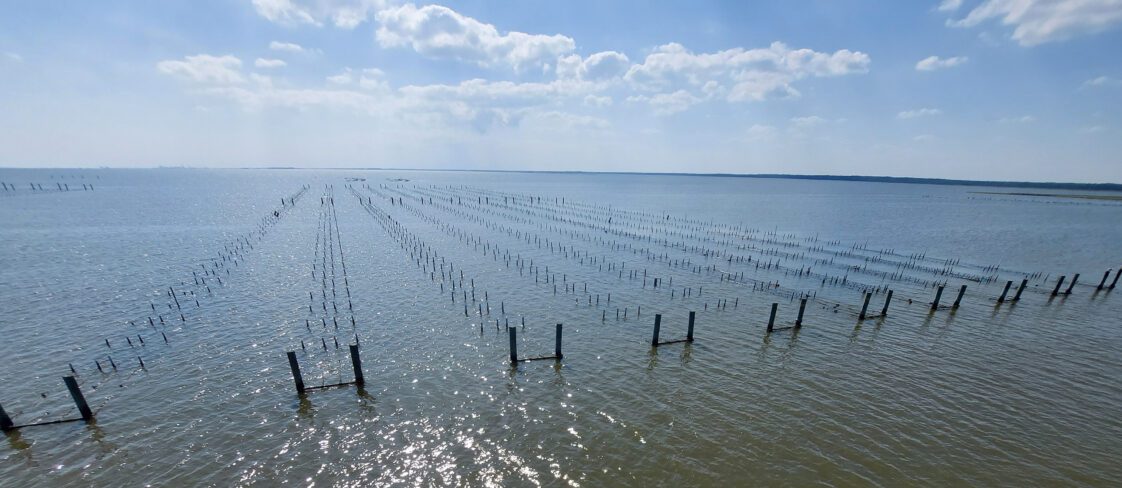
Figure 1. Aerial view of an Alabama oyster farm.
Choosing the right species to grow can determine the success or failure of your operation. Farmers should make decisions based on which species or products they can sell for profit. Prospective producers need to conduct research to identify their customers, determine the preferred product forms, estimate the quantity they will buy, the frequency of purchase, and the corresponding price. This should happen in the planning stages, not when you have a pond full of market-ready fish. It is also important to consider the marketing channel, i.e., how the product will be distributed to the consumer, as this affects what product forms (e.g., live, fresh fillets) and the quantities that can be supplied. In many markets, reliable data on prices, supply, and demand is lacking. Aquaculture associations are a good starting point to find general information about the industry; for instance, what species are being produced, what technologies are being used, and what products are being sold, etc. Talking with existing producers, prospective buyers, and Extension personnel is also a good way to gather information.
Seafood markets are highly competitive, and US producers face steep competition from imported seafood that is produced primarily from countries with lower production and processing costs. Farmers need to be aware of their competition, the market’s saturation level, and the value proposition of their product. Developing a marketing plan that includes a description of the market and your marketing strategy is a wise idea. There are many potential markets for farmed seafood, including farm stands, direct-to-consumer sales, farmers markets, restaurants, fee-fishing operations, among others. These vary significantly in terms of time and expense, marketing requirements, regulatory requirements, and the sales volumes they can support. Talking with prospective buyers is a great first step to identifying current prices and demand for a product.
Another important consideration is farm location and its proximity to the market. The location of many farms is often determined by biophysical factors, particularly access to good water, but the proximity of the farm to the market is also critical for maintaining high-quality products and increasing efficiency. Make sure your production location aligns with your marketing strategy.
Large investments in unproven production systems are likely to be unprofitable until technical issues can be resolved and lower production costs can be achieved. Beginning aquaculturists should stay with proven species and production systems. Talking with other farmers is an excellent way for new and prospective farmers to learn. The following are some of the most farmed species in Alabama.
Brackish or Saltwater
- Oysters. Oysters are grown in Alabama using off-bottom methods, including adjustable longline systems and floating cages. The cost of production highly depends on farm size, with estimates ranging from $0.52 to $2.57 per oyster. Average farm-gate prices range from $0.52 to $0.80 per oyster. A budget calculator for oyster farming is available on the Alabama Extension website at www.aces.edu.
- Shrimp. Pacific white shrimp are farmed in Alabama using both indoor biofloc systems and ponds in western Alabama, which have access to low-salinity aquifers. Post-larvae shrimp must be sourced from out-of-state hatcheries, primarily in Florida or Texas. The cost of indoor biofloc production is estimated to be $9.00 to $12.00 per pound, whereas the cost of pond production is much lower at $2.50 to $3.00 per pound. Most farmed shrimp production is sold directly to consumers on the farm or at farmers markets and at local grocery stores to attract a higher price. Some farms using indoor systems are receiving prices as high as $12.50 to $20.00 per pound for relatively small volumes of product sold to local niche markets. Farmers who sell pond-raised shrimp directly to consumers on the pond bank typically receive $4.75 to $5.25 per pound. However, the price received is largely determined by local demand and marketing efforts. Higher prices can be attained for processed shrimp, such as individually quick-frozen (IQF) peeled and deveined shrimp. However, shrimp farmers must pay for transport of their shrimp to a seafood processor on the coast, processing fees, and cold storage. Shrimp farmers face intense competition from low-priced imports. The import price of peeled and deveined shrimp is about $4 per pound. During certain months, shrimp farmers also compete with shrimp from capture fisheries in the Gulf of America, which is typically available at lower prices.
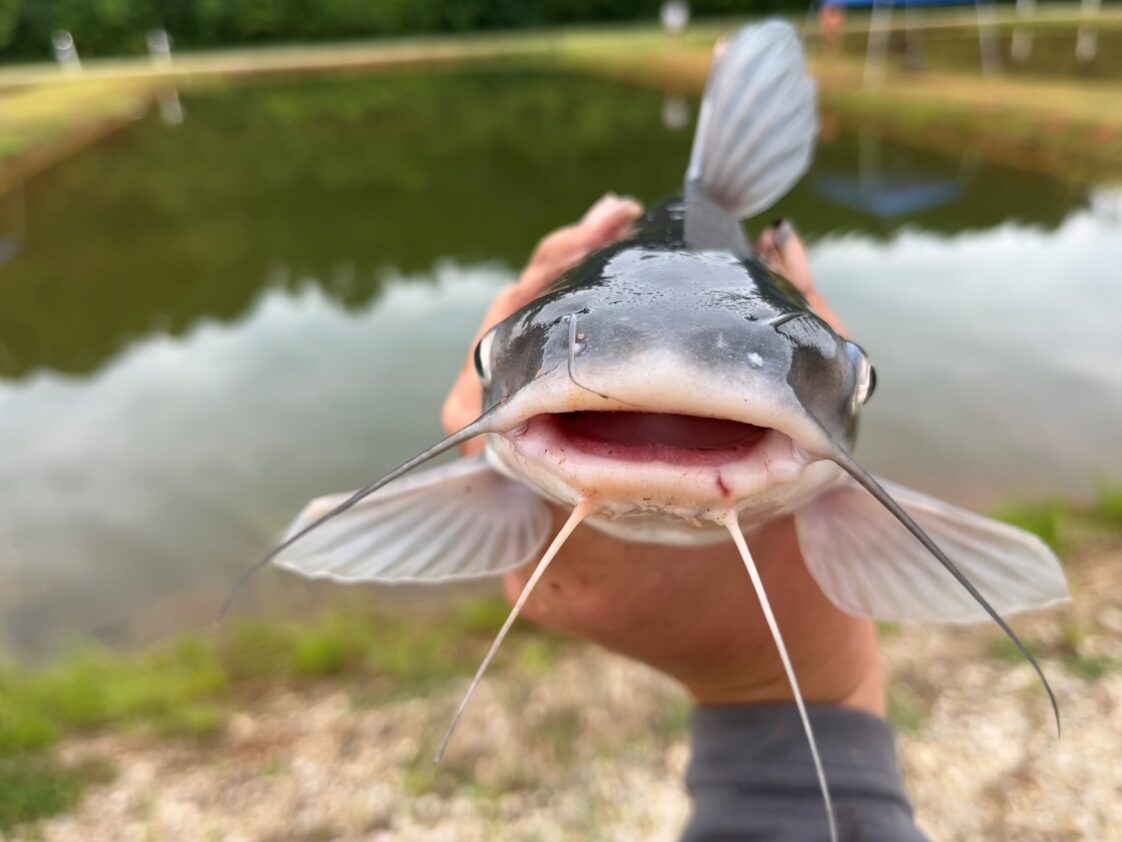
Figure 2. Catfish at the E.W. Shell Fisheries Center in Auburn, Alabama.
Freshwater
- Channel and hybrid catfish. Channel and hybrid catfish are the most common species farmed in Alabama. Most production occurs in watershed ponds and is sold live to processors for human consumption. The cost of production varies widely by farm size and production practices, with estimates ranging from $0.90 to $1.30 per pound. In the last few years, the average price for premium-sized fish has been $1.13 per pound. However, many catfish farmers have struggled with the production of oversized fish, which receive significant price discounts at processing plants. See the Southern Regional Aquaculture Center (SRAC) website for additional resources on catfish production. A budget for commercial catfish production is also available at www.aces.edu.
- Crawfish. Crawfish farming is less intensive than the above species, although labor-intensive harvesting of ponds can be significant. The cost of production is about $1.00 to $1.20 per pound, and crawfish prices have averaged between $4.00 and $6.00 per pound. Most crawfish sales are direct-to-consumer.
- Tilapia. In Alabama, tilapia are produced using traditional ponds, in-pond raceways, and indoor raceways. Production costs range from $1.50 for traditional pond production to $3.00 per pound for indoor tank systems or raceways. Tilapia is also a primary species used in aquaponics systems (i.e., systems that integrate aquaculture and hydroponics); however, this is usually smallscale production and done as a hobby. Tilapia grown in aquaponics systems typically have higher production costs per unit, which can be as high as $5.00 per pound. Tilapia are commonly sold for pond stocking and can bring prices around $5.00 to $6.00 per pound, but support relatively small volumes. Prices can also widely depend on whether a wholesale or retail dealer purchases tilapia. Food fish sales typically receive a lower price, around $3.00 to $3.25 per pound, although live sales in ethnic markets may earn a premium.
- Sportfish. Many aquaculture operations raise largemouth bass, bluegill, redear sunfish, and other species for stocking private ponds to enhance recreational fishing. These species are primarily produced in ponds, and the production cost varies based on the length of the production cycle and feed requirements.
Table 1. Cost of Production of Aquacultured Species in Alabama
| Species | Production System | Unit | Cost of Production |
|---|---|---|---|
| Oysters | Containerized | Per oyster | $0.52 to $2.57 |
| Shrimp | Indoor biofloc | Per pound | $9.00 to $12.00 |
| Shrimp | Ponds | Per pound | $2.50 to $3.00 |
| Catfish | Ponds | Per pound | $0.90 to $1.30 |
| Crawfish | Ponds | Per pound | $1.00 to $1.20 |
| Tilapia | Ponds | Per pound | $1.50 to $3.00 |
| Tilapia | Indoor tanks | Per pound | $3.00 to $5.00 |
Given there is considerable variation in the cost of production and, in many cases, narrow profit margins, prospective producers need to do their homework and carefully plan business ventures before starting. Fact sheets for potential aquaculture species are available on the SRAC website.
Will Your Business Be Viable?
Before making a significant investment in commercial fish farming, it is important to do some financial planning either on your own or with the help of an accountant or financial expert. Creating a business plan will help guide new farmers in thinking through and planning their operation, allowing them to identify pitfalls before production begins. Key considerations include your financial position, the proposed enterprise’s profitability, and whether the business will generate sufficient cash flow.
The capital investment required to start an aquaculture business varies substantially, depending on the specific production methods and technologies employed. The amount of existing infrastructure on a property, such as the availability of existing ponds that can be used or modified for the operation, is also an important factor to consider. Building ponds or indoor systems from scratch is expensive. Most fish farmers will not have the capital to start without a loan. Federal loan programs are available for aquaculture producers through the Farm Service Agency (FSA), including direct farm ownership and direct operating loans. Private lenders also offer aquaculture loans; however, it is important to consider the interest rate, as high rates can erode cash flow and profits. The operation must generate sufficient revenue to cover its debts. Evaluating cash flows is important in developing a loan repayment plan that aligns with farm revenue. New operations may not have cash flow until the first harvest, which can be 1 or 2 years following the initial investment. Also, any operating costs incurred before the first harvest may require up-front cash, in which case a line of credit may be necessary.
Investors are generally unfamiliar with aquaculture, and the United States Department of Agriculture (USDA) provides limited support for aquaculture loans compared to its support for traditional agriculture loans. To obtain a loan, farmers must demonstrate that their business has a strong financial outlook. This will require several financial planning documents, including a business plan, budgets, balance sheets, income statements, and cash flow statements. The business plan should consider the marketing aspects described in the previous section as well as the operation’s projected profitability, cash flow, and financial position. Several budgeting and financial resources are available on the SRAC website to help evaluate the financial viability of the proposed operation. The US Small Business Administration (SBA) and its Small Business Development Centers (SBDC) are also good resources for new and existing aquaculture businesses. There are various planning resources located on the SBA website, and the SBDC provides one-to-one business consulting and technical assistance with developing business plans, financial projections and market research and analysis.
What Risks Will You Face?
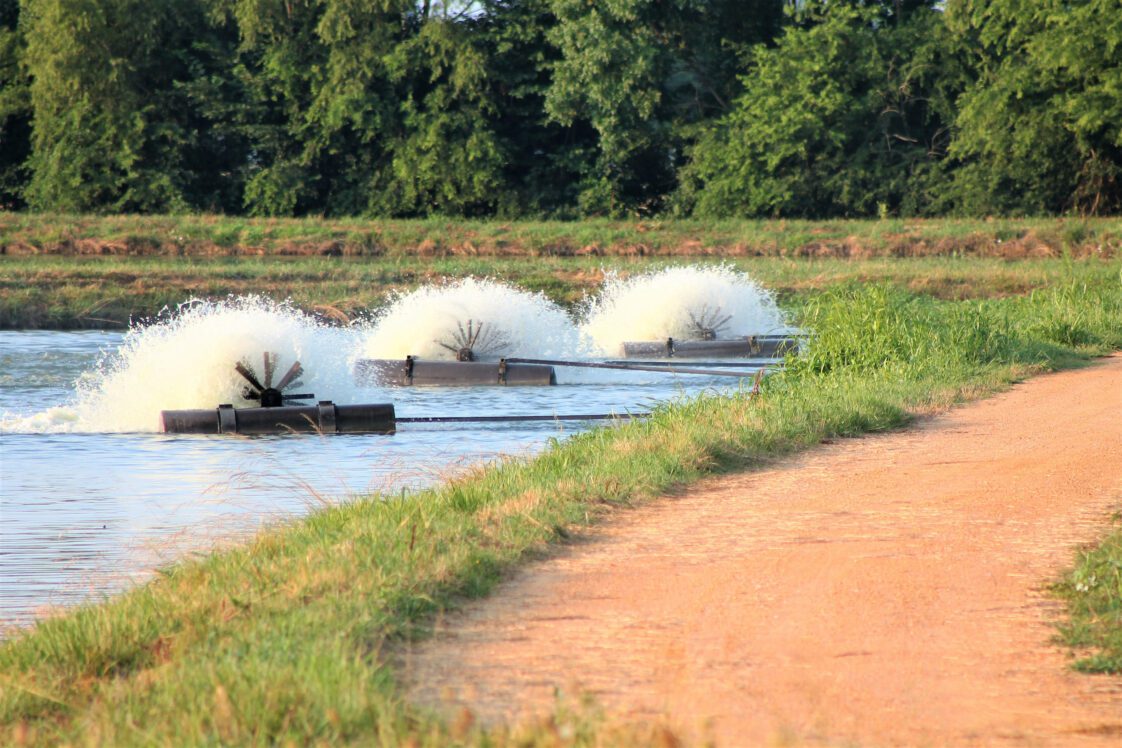
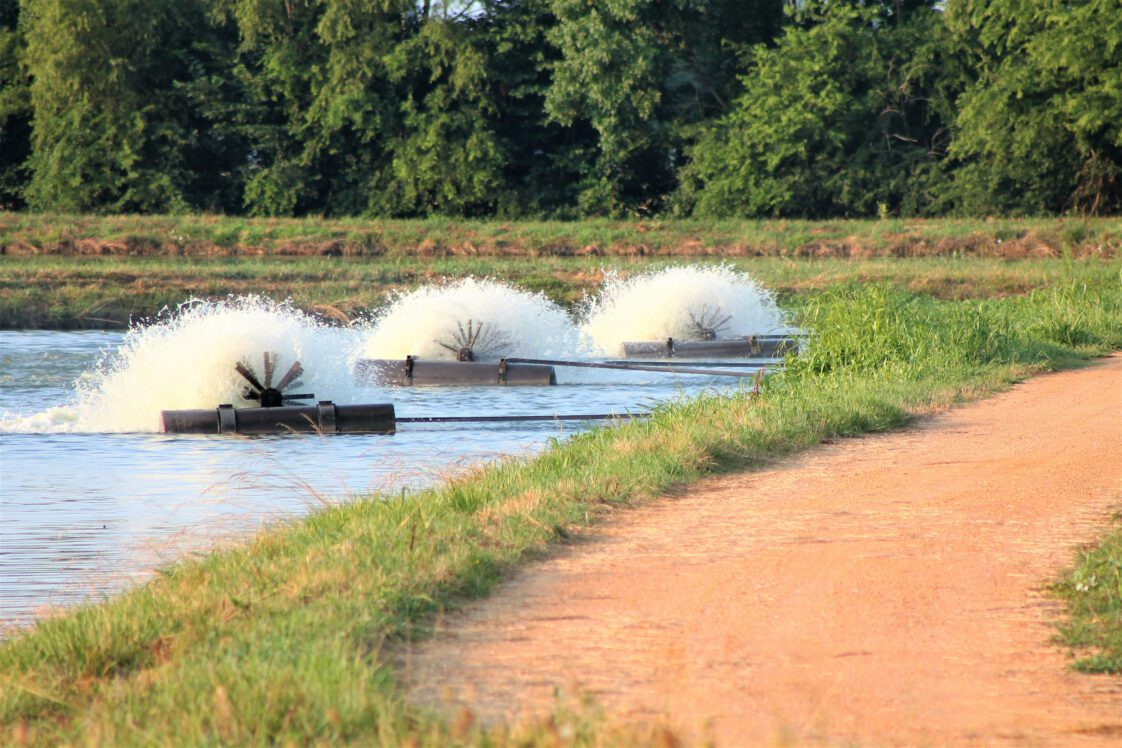
Figure 3. Paddle wheel aerator at a catfish farm in Greene County, Alabama.
Risk is an important aspect of any farming business. Aquaculturists should plan to cope with production challenges associated with disease and natural weather events as well as uncertainty related to markets, prices, and government policy, recognizing that no matter how well-planned, unforeseen challenges and mistakes will always arise. The goal of producers should be to mitigate the impact of risk on the financial stability of their operation. Common types of risk are as follows:
- Production risks include disease, water quality problems, power outages, equipment failure, predation, and natural disasters. The impact of these risks can vary from catastrophic losses to less impactful reductions in growth and feed conversion ratios. The stage at which these risks occur within the production cycle will also influence their impact.
- Marketing risks include input and output price volatility, loss of market access, and competition. Some forms of aquaculture require significant feed inputs, and thus, profitability can be highly influenced by changes in feed prices.
- Financial risks include limited cash flow, the inability to pay financial obligations, or the inability to maintain equity. Broader economic conditions, such as volatility in interest rates, changes in the market value of loan collateral, and inflation can influence financial risks. Financial risks can undermine the performance of an investment and debt repayment.
- Regulatory risks include negative financial or operational repercussions resulting from changes in laws and regulations. As aquaculture intersects with natural resources, there are strict and complex regulatory and permitting procedures, often at both the state and federal levels.
There are several ways to mitigate risk in aquaculture. First, practice due diligence in the planning stages of your operation. Second, the USDA Farm Service Agency (FSA) provides disaster assistance programs to aquaculture producers. The Emergency Assistance for Livestock, Honey Bees, and Farm-Raised Fish Program (ELAP) website provides information on disaster assistance to aquaculture producers at no cost. Farmers can receive financial aid for eligible losses of farm-raised fish and feed due to adverse weather conditions, such as flooding, freezing, and excessive heat.
A second FSA program, the Non-Insured Disaster Assistance Program, is also available to aquaculture producers. Visit the program website to learn how the program safeguards producers against natural disasters that result in low yields, loss of inventory, or the inability to stock, and it requires fees and premiums for buy-up coverage.
Other risk mitigation strategies include crop diversification, crop insurance, and the use of production contracts. See the websites of several crop insurance programs available to aquaculture producers: the Shellfish Pilot Crop Insurance Program for oysters and the Whole-Farm Revenue Protection (WFRP) plan available for farms that produce multiple commodities. The US Small Business Administration also provides low-interest loans to aquaculture producers following declared disasters.
It is important to start small and with proven production systems and species to mitigate production risks. Even in years when production numbers are good, market risk, such as volatility in output or input prices, can lead to economic losses. Starting small can help minimize risks while you learn about production and develop your markets. Farm-level profitability can be influenced by innovation and economies of scale, which are associated with cost advantages at larger scales of production. Existing businesses have the advantage of an established financial history, which can be beneficial to securing funding to expand operations. Existing producers can visit the USDA’s Small Business Innovation Research program website to learn about a federal program that helps small businesses invest in innovative technologies and products.
Further Information and Assistance
County Extension agents, especially those in major aquaculture regions, are likely to be knowledgeable about aquaculture opportunities in the area. In addition, there are several Extension specialists at the state level and an aquaculture business specialist who provide assistance to prospective and existing producers. Find their contact information on the ACES website at www.aces.edu. As mentioned above, the US Small Business Administration and its Small Business Development Centers websites are also valuable resources for business and financial planning.
 Taryn Garlock, Extension Specialist, Assistant Professor, and Luke Roy, Extension Professor, both in Fisheries, Aquaculture, and Aquatic Sciences; and Corey Courtwright, Extension Agent, Aquatic Resources, all with Auburn University
New December 2025, Planning for an Aquaculture Business, ANR-3206