
About Us

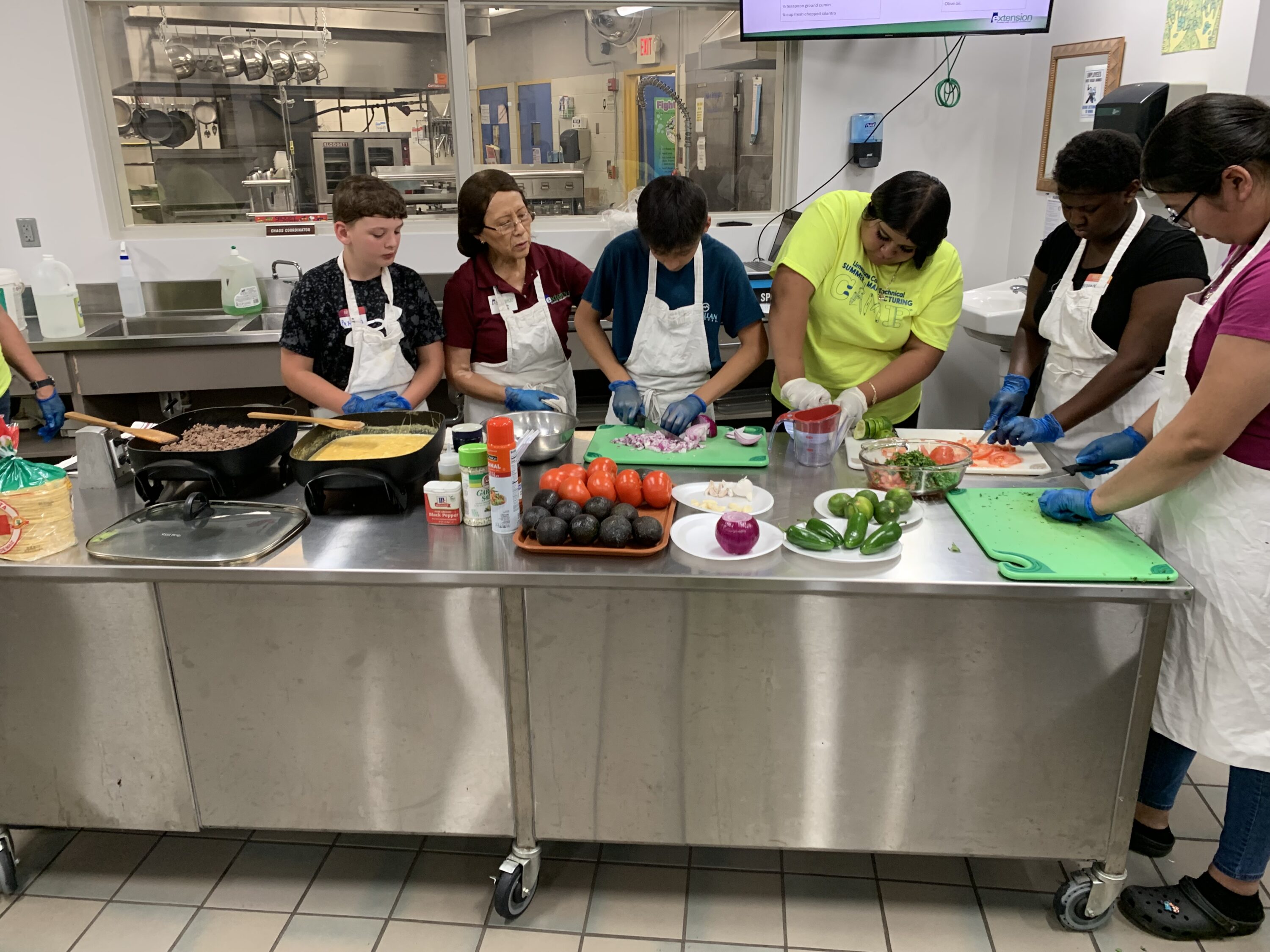
Failing to practice food safety can lead to the spread of harmful bacteria, viruses, and even parasites that can result in foodborne illnesses such as food poisoning. The Centers for Disease Control and Prevention reports that an estimated 48 million people get sick from a foodborne illness each year. Severe cases can even lead to death. Programs like the Urban Expanded Food and Nutrition Education Program (Urban EFNEP) educate both youth and adults about food safety.
In 2025, the Urban EFNEP reported improvements in food safety practices among 464 youth, such as washing hands before eating and putting food back in the refrigerator within two hours. Among 41 adults, 20 (49%) showed improvement in one or more food safety practices, such as washing hands before preparing food, washing all items and surfaces after cutting raw meat or seafood, avoiding thawing frozen food at room temperature, or using a meat thermometer.
Practicing food safety strategies can lessen the risk of food poisoning.
Other Food Safety Impacts
In addition, 907 individuals were educated about food safety strategies through the Safety Operation Application Program Plan. In this program, participants learn how to clean, handle, and cook food safely, how to identify unsafe foods, and where to find the latest food recall information.
For More Information
For more information about Urban EFNEP and food safety programs, contact Dr. Terence Martin, food safety and quality specialist and director, Family Life Center, at (256) 372-4983 or tzm0018@aces.edu.