
About Us

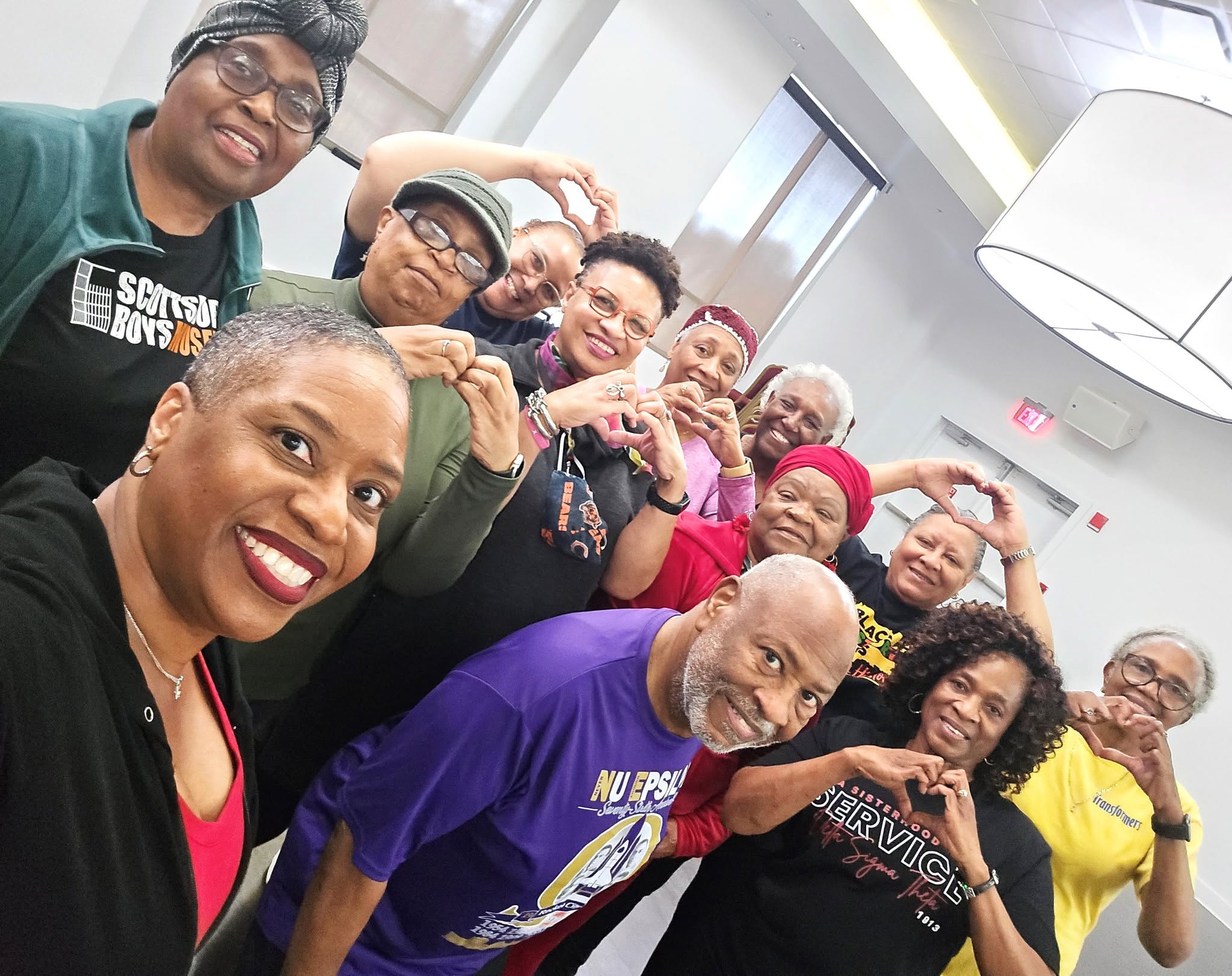
Diabetes continues to be a leading cause of death in Alabama. The American Diabetes Association reported that an estimated 13.7 to 15.1 percent, or roughly 631,400, of Alabama’s adult population have been diagnosed with diabetes. Alabama also continues to rank among the states with the highest rates of diabetes, primarily due to its high rates of obesity. At least 49,000 adults are diagnosed with diabetes each year. Programs like the Community Health Aerobic Motivational Program Initiating Optimal Nutrition (CHAMPION) educate adults on how to stay healthy by tackling diet-related diseases such as diabetes.
CHAMPION for adults is designed to improve healthy eating habits, increase physical activity, and encourage participants to become health literate. Participants learn to eat more fruits and vegetables, whole grains, lean meat, and low-fat dairy products, and to reduce consumption of foods high in fat, sugar, and salt. They are also encouraged to exercise 2.5 to 5 hours a week, understand and manage their health, and use strategies to maintain a healthy weight.
In 2025, among 1,227 participants:
- 675 (55%) exercised 1-3 days per week, 331 (27%) 4-6 days per week, and 110 (9%) 7 days per week.
- 282 (23%) increased fruit consumption, and 319 (26%) consumed vegetables more than three times per week.
- 633 (54%) reduced high-fat food intake, and 589 (48%) reduced high-sugar food intake.
- A proper diet and weekly exercise help to reduce chronic diseases like diabetes.
Other Health and Nutrition Impacts
CHAMPION Youth
CHAMPION Youth targets young people aged 12-17. The program educated youth about the importance of healthy eating and physical activity in reducing the risk of chronic disease.
In 2025, CHAMPION Youth and the Nutrition Mobile Lab programs reached 2,576 youth. Program activities included fitness bootcamps and interactive movement sessions that combined traditional exercises such as walking, relay racing, cornhole, and the blender bike with technology-based activities, including boxing and iDance exergaming.
Among the 1,159 youth who completed evaluations:
- 185 (16%) reported being active all the time.
- 498 (43%) were active some of the time.
- 267 (23%) reported not often.
- 209 (18%) reported never, although 603 (52%) reported enjoying participation in the fitness bootcamps.
The 30-60-minute fitness bootcamp sessions promoted sustained movement, with youth averaging 10,000 or more steps and burning approximately 350 or more calories per session.
For More Information
For more information about human nutrition, diet and health programs, contact Dr. Tamara C. Warren, assistant director of urban and federal diet, health and nutrition programs, at (256) 372-4981 or tcw0004@aces.edu.