
About Us

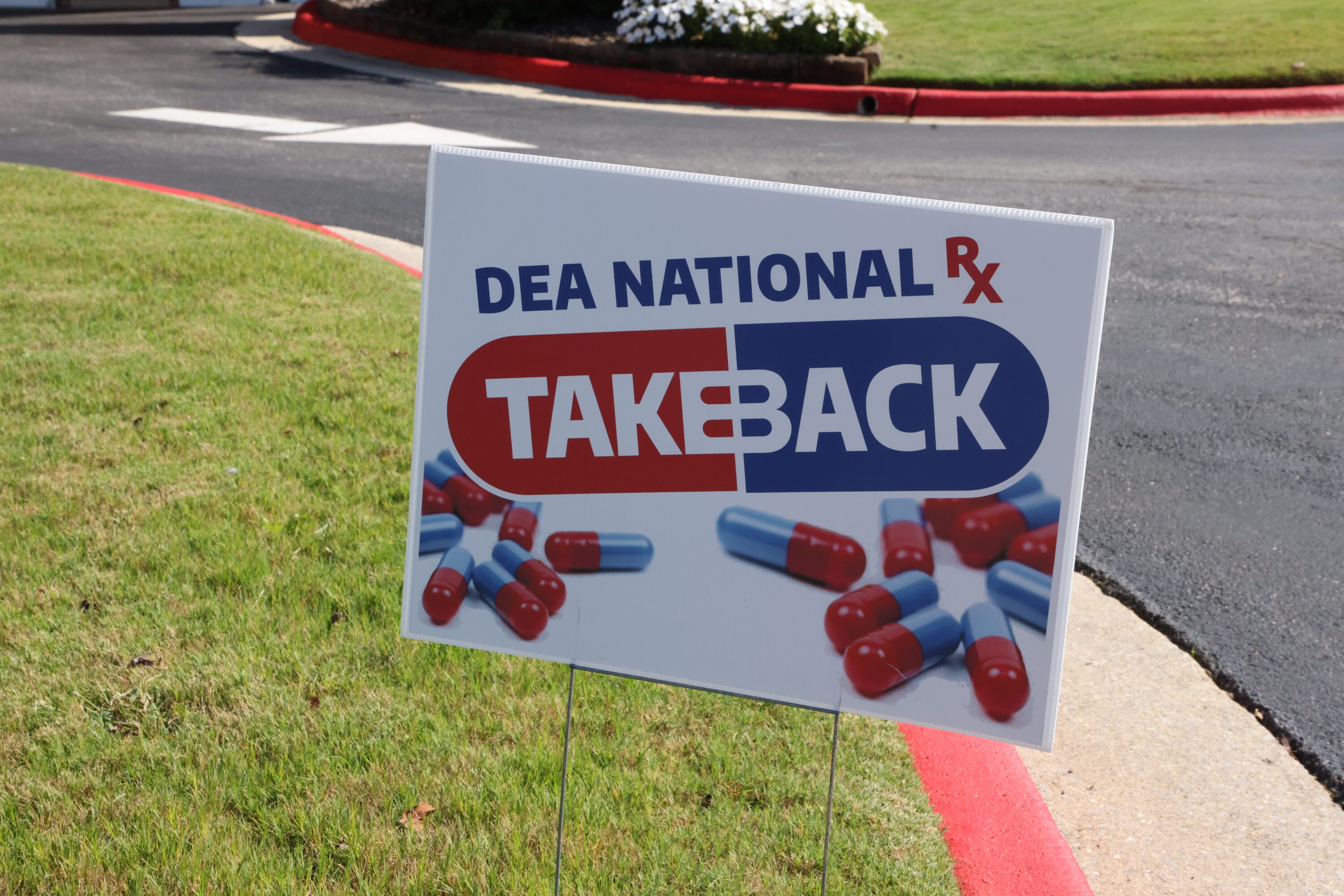
Improper disposal of medication and personal care products is harmful to humans, animals, and the environment. Prescription medication like opioids can end up in the hands of children, teens, or even adults. They can be ingested accidentally or used improperly, and the consequences could be severe. These products can further pollute water systems and pose harmful risks for humans and aquatic life, particularly products like antibiotics, antidepressants, and hormones. Luckily, programs like the Synergistic Efforts to Reduce Pharmaceutical Impacts on the Environment (SerPIE) offer helpful solutions.
The SerPIE program offers a one-health approach to minimizing environmental impacts. SerPIE highlights the connection between pharmaceutical drugs, personal care products, and pollution by tackling tough topics like the opioid crisis and giving the public information to safeguard their homes and the environment by properly disposing of unused medication and personal care products for both humans and animals.
2025 Impacts
In 2025, approximately 1,429 total pounds of expired or unwanted medicines were collected through SerPIE efforts, including drug take-back events and permanent drug drop-off boxes. In addition, 386 people dropped off unwanted drugs while 95 participants took the Lock Your Meds pledge, committing to responsible pharmaceutical practices. With proper education, consumers can learn how to safely dispose of medication and avoid harmful drugs entering local water systems.
Other FWNR Impacts
EMEP
The E-Waste Management Education Program (EMEP) educates audiences about the hazards of electronic waste (e-waste), the importance of recycling, and the benefits of being good stewards of the environment.
- In 2025, ten in-person and virtual special events reached more than 1,035 participants, including seniors, and increased their understanding of e-waste pollution and proper disposal.
- Seven e-cycling drives attracted 1,012 vehicles and diverted 53,209 pounds (27 tons) of e-waste from the waste stream. Volunteers contributed 58 hours of service, representing a value of $2,017.82.
- An estimated 154 printer cartridges were recycled through the small electronics recycling program, generating $580.00 in revenue. Collectively, these efforts significantly reduced the volume of e-waste destined for landfills and the environment. The e-waste drives:
- The program diverted 1,530 pounds of toxic metals from landfills, including 1,485 pounds of lead and 44 pounds of arsenic.
- More than 17,970 pounds of critical metals such as copper (2,351 lbs.), aluminum (1,089 lbs.), gold (1.36 lbs.), and steel (14,528 lbs.) were reclaimed for reuse.
UESEP
The Urban Environmental Science Education Program (UESEP) provided 6,705 youths and adults with natural resource conservation strategies to improve environmental awareness and stewardship through 91 in-person and online activities. UESEP’s Eco-friendly Fridays series streamed to 210 participants for 1,561 minutes of online views.
Live polls among 88 participants indicated the following:
- 86 (98%) of respondents reported increased knowledge of environmental issues.
- 76 (86%) planned to implement at least one newly learned practice.
- 59 (67%) felt the information would help create a safer home; 28% said maybe.
- 84 (95%) believed the series improved their ability to act as better eco stewards.
- 33 (38%) anticipated future cost savings; an additional 33% indicated the possibility.
Eco-friendly Fridays post-delayed surveys among 50 participants revealed the following adoption of best management practices:
- 44 (88%) of respondents had recycled glass, paper, plastic, or aluminum at home.
- 34 (68%) of respondents had assembled an emergency preparedness kit.
- 10 (19%) of respondents had tested their home’s drinking water.
- 28 (56%) of respondents had tested the soil in their yard.
In addition, a Camp Conservation educator workshop, Roots of Learning, was conducted with the Alabama Forestry Foundation (AFF) and Project Learning Tree (PLT), providing 27 K-12 teachers with strategies to enhance student learning outcomes. As a result of this training:
- All 27 participants received PLT certificates of completion.
- 5 hours of TEAMS CE credits were awarded to each participant.
- 17 (63%) strongly agreed they felt more confident teaching environmental topics afterward, and an additional 10 (37%) agreed.
- 13 (48%) strongly agreed they planned to use what they learned with their students within the next 6 months, and an additional 44% agreed.
- 27 (100%) planned to share what they learned with a colleague.
For More Information
For forestry, wildlife, and natural resources (FWNR) program information, contact Extension Environmental Specialist Dr. Karnita Garner at (256) 372-8331 or kfg0003@aces.edu.