
About Us

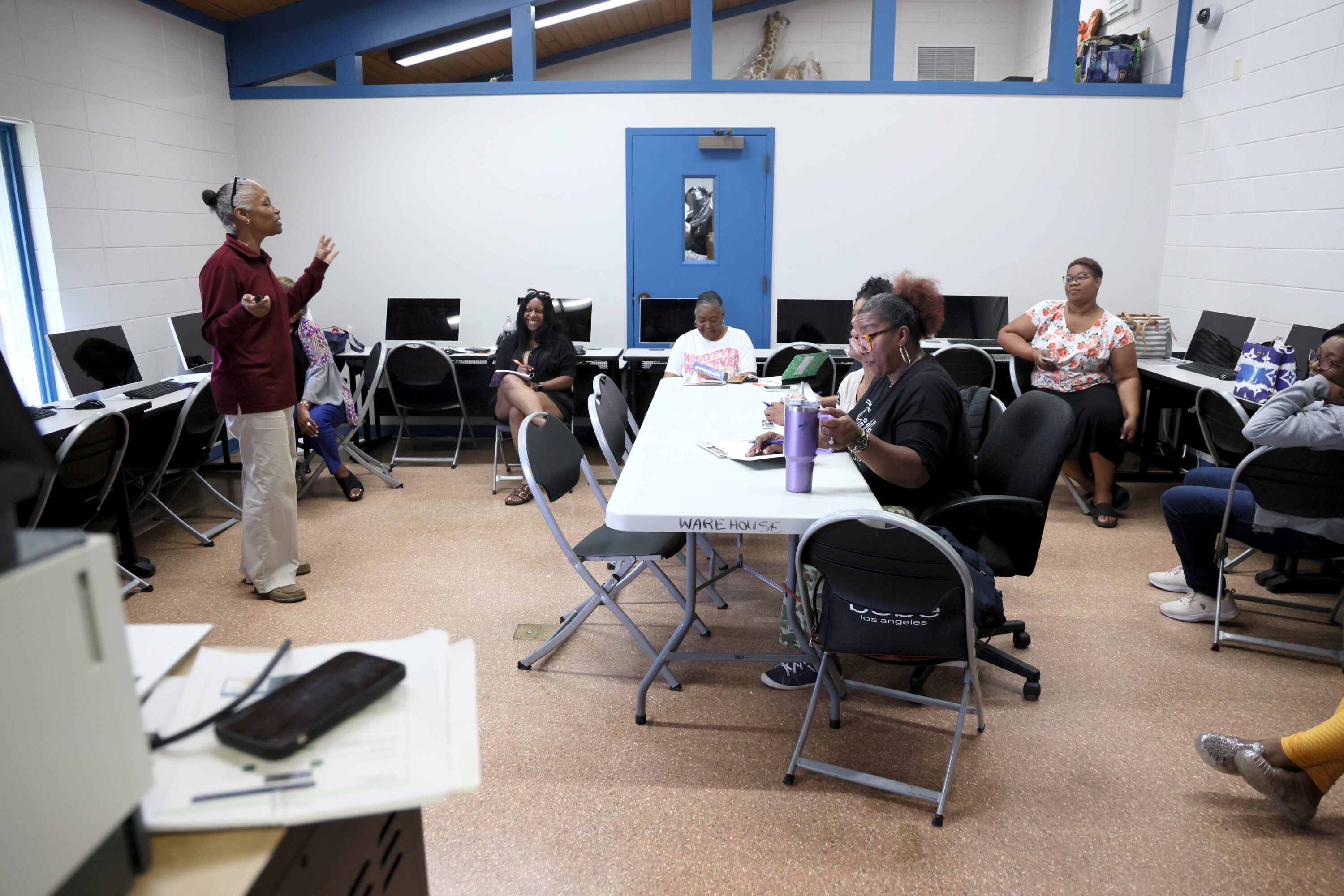
Submitting an inappropriate resume is one reason why job candidates are not hired. Using one resume to apply for various jobs can indicate to employers that potential candidates have not given much thought to the job search process. Customizing a resume and even a cover letter for a particular job demonstrates to potential employers that a candidate is serious and enthusiastic about a job. It also increases their chances of making it through the application process and not ending up in an unemployment line.
Promoting Readiness for Employment Possibilities (PREP) is a workforce development program that teaches people how to find a job. PREP has exercises that help participants with existing jobs develop a career plan for future career changes. Specifically, program participants learn how to apply for jobs, prepare for interviews, develop resumes, find enjoyable employment, and use valuable soft skills.
- The program served limited-resource adults of all ages, reaching 1,355 individuals through a variety of educational activities, with 93 participants completing either one-hour standalone lessons or a four-lesson series. Results from a delayed post-assessment conducted one to three months after program participation demonstrate sustained behavior change among 31 participants.
- Participants reported adopting positive practices that support long-term impact in searching and securing jobs. Specifically, 28 (89%) used skills learned in the program to select appropriate interview attire, and 26 (85%) used newly acquired skills to answer job interview questions effectively.
- Also, participants demonstrated improved job search skills, with 23 (73%) completing job applications, and 21 (69%) revising their resumes to fit specific job positions.
Workforce development education can lead to gainful employment in today’s job market.
Other FCS Program Impacts
FLIP
Financial Literacy in Progress (FLIP) teaches people how to develop good money management skills. Participants learn how to rationally approach buying, recognize irrational buying behavior, develop a spending plan or budget, build and maintain good credit, apply strategies to reduce debt, and avoid financial fraud and predatory lenders.
In 2025, 29,367 participants were reached through various educational activities. Approximately 615 participants completed a one-hour session or the entire FLIP series of five lessons.
Results from a post-delayed assessment among 239 participants indicated:
- 198 (83%) avoided using predatory lenders and established a spending plan.
- 189 (79%) used a savings plan and controlled impulsive spending.
- 179 (75%) paid bills on time, tracked spending, and conducted comparison shopping before making major purchases.
PC-FLIPP
The Parent-Child Financial Literacy in Progress Program (PC-CLIPP) is funded through the Children, Youth, and Families at Risk program of the United States Department of Agriculture. The program helps parents build financial literacy skills while their children, aged 5 to 9, develop money management skills.
Eighty-eight participants (44 adults and 44 youth) completed the program in 2025. Adult participants initially reported low confidence in performing a spending plan, reducing debt, and building credit. After the program, overall confidence scores increased by 21 percent, with specific gains of 24 percent in using a spending plan, 20 percent for reducing debt, and 17 percent for building credit scores. These gains involved instructional lessons, hands-on activities, and digital tools (such as debt-reduction software and credit report access) designed to equip participants with the knowledge and practical experience needed to apply financial literacy strategies to their everyday lives.
More Information
For family and consumer science (FCS) programs, contact Extension FCS Specialist Dr. Dorothy Brandon at (256) 372-5458 or dpb0010@aces.edu.