
First-Aid and the Label
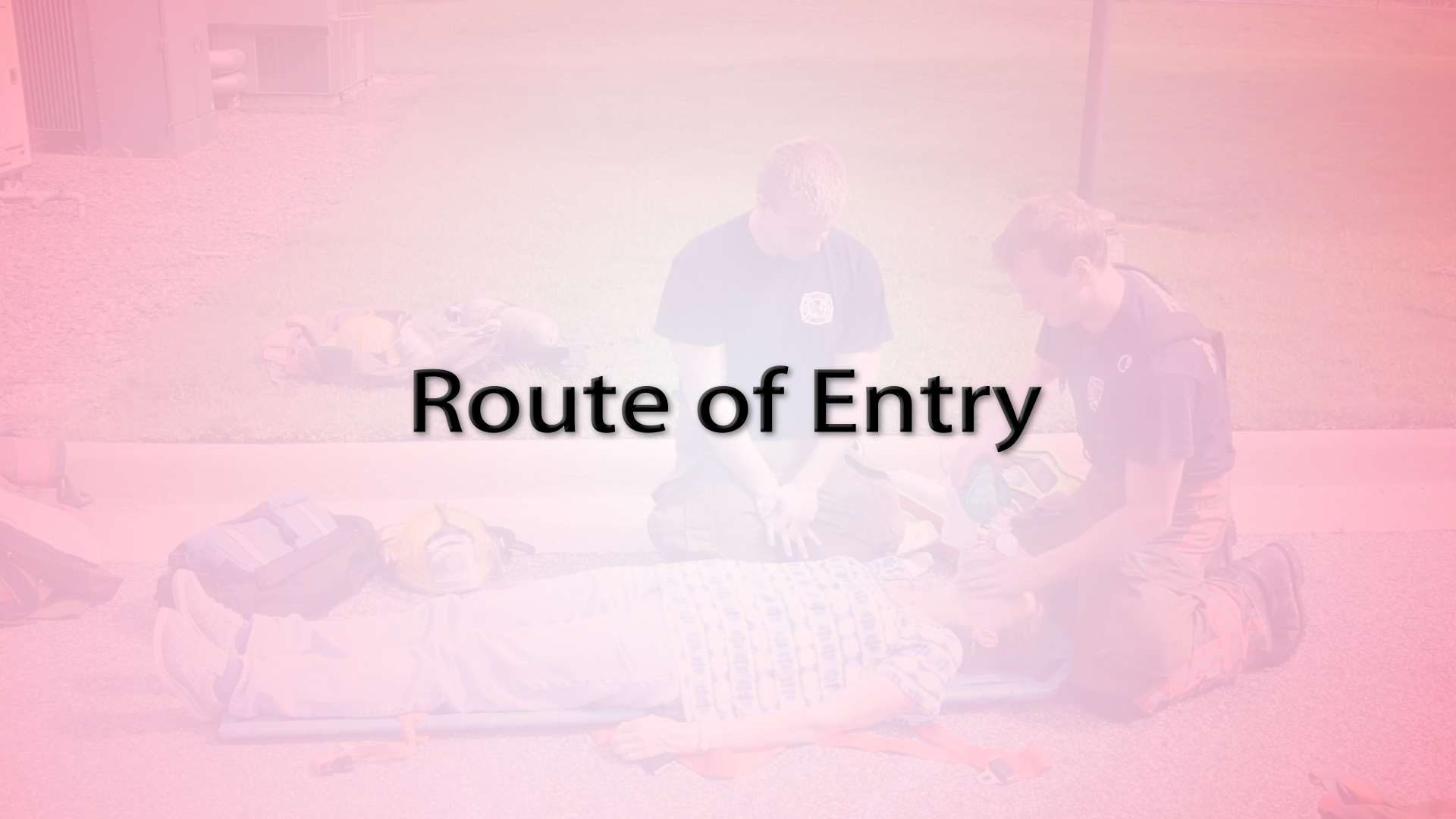
19. Administer first aid to help the victim while waiting for medical help. If you are alone, make sure they are breathing and no longer exposed to the pesticide before you call for help. Protect yourself before and while giving assistance. Wear the appropriate PPE including a respirator if indicated before assisting in an enclosed area.
20. Administer CPR if the victim is not breathing and is not vomiting. Immediate action can indeed be a life or death matter.
21. If oral or dermal exposure has occurred, rinse the exposed area with water to dilute the pesticide and limit further absorption.
22. Always have a source of clean water available. In an extreme emergency use water from a farm pond, irrigation system or watering through to rinse and dilute pesticide.
23. Never try to give anything by mouth to an unconscious person.
24. Do not induce vomiting unless the label tells you too.
25. Become familiar with administering CPR. It may be necessary if a person’s breathing has stopped or become impaired.
26. If first responders are likely to be exposed to a pesticide, make sure they wear PPE.
27. Eyes readily absorb materials so fast action is necessary. Hold the eyelid open and begin gently washing with drips of clean water. Do not use chemicals or drugs in the wash unless instructed to by a medical professional or poison control center. Drip water across and not directly into the eye, or use an eyewash dispenser. Continuously rinse for 15 minutes, if only one eye is affected be careful not to contaminate the other eye. Flush under the eyelid to remove debris. Cover the eye with a clean piece of cloth and seek medical attention immediately.
28. Antidotes are available for a few classes of pesticides such as anticoagulant type rodenticides, organophosphate or carbamate insecticides. Antidotes can be extremely dangerous if misused, they should only be prescribed and administered by a qualified medical professional. An antidote should never be used to prevent poisoning.
29. Pesticides are classified as Restricted Use or Unclassified/General Use according to the EPA. Restricted Use demand special attention because they could potentially harm humans, livestock, wildlife or the environment. Unclassified or General Use typically have lower toxicity and are less harmful to humans and the environment. Anyone can purchase these without permits or restrictions.
30. The DANGER POISON is poison through any route of entry. Toxicity may be oral, dermal or inhalation. It has skull and crossbones. DANGER indicates the potential for permanent damage to skin, eyes, or lungs.
31. WARNING – AVISO are moderately hazardous pesticides. CAUTION have a lower risk pesticide and present less hazard. Toxicity may be contact, irritation of eyes, skin, of respiratory tract; or systemic.
32. All labels contain precautionary statements to help you decide how to protect yourself, other people, or animals from exposure and can be found in several sections of the label.
33. Specific Action Statements gives precautions and PPE.
34. Environmental and Special warning statements help you avoid contaminating the environment.
35. Special Toxicity Statements say if the product is hazardous to wildlife and what precautions to take.
36. Children are at greater risk because their bodies are still developing, and are not ready to completely detoxify and eliminate toxins. They can also have serious affects due to hormone blockers. Children breathe more rapidly than adults so they are exposed to higher concentrations. Additionally, their exposure may be higher because they are closer to the ground. Another factor is that the dermal area of an infant per unit of body weight is far greater than an adult so their exposure through skin is also a greater risk. Children are quick to put their hands, toys and other things in their mouths and can be exposed to pesticides through ingestion.
Read More related articles