
Animals

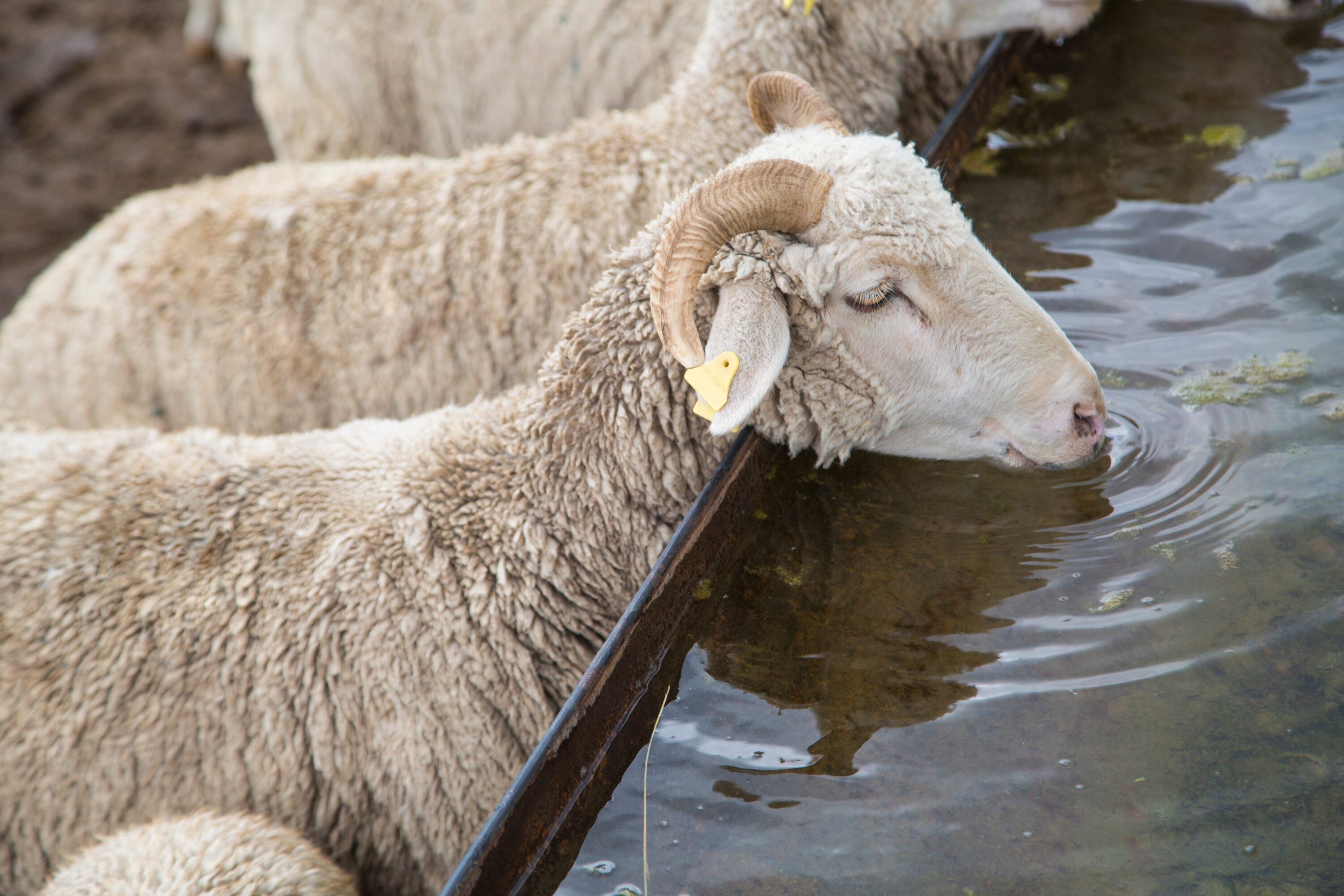
As summer temperatures rise, sheep and goat producers must pay close attention to water availability. Why? Water is the single most important nutrient for small ruminants. During hot weather, sheep and goats lose significant amounts of water through panting, sweating, and other normal physiological processes used to regulate body temperature. Research has shown that under hot, desert-like conditions, sheep and goats may require up to 8% of their body weight in water each day. Animal water consumption can increase by more than 130% during periods of heat stress. Ensuring adequate water intake is, therefore, critical for maintaining animal health, welfare, and productivity.
Heat Tolerance Varies
Heat stress affects nearly every aspect of animal performance. As temperatures increase, sheep and goats respond by increasing respiration and sweating to dissipate excess body heat. These cooling mechanisms result in substantial water loss and increase the animals’ daily water requirements. At the same time, heat-stressed animals often reduce feed intake while expending more energy on maintaining normal body functions. This combination can lead to reduced weight gain, lower milk production, impaired reproductive performance, weakened immunity, and greater disease susceptibility.
Although both sheep and goats are generally more heat-tolerant than larger livestock species, they employ different strategies to cope with high temperatures. Sheep primarily rely on increased respiration or panting to cool themselves. In contrast, goats depend more heavily on sweating and can often tolerate higher body temperatures before showing signs of heat stress. However, heat tolerance varies considerably among breeds, with animals originating from arid and tropical environments generally performing better under hot conditions than highly selected temperate breeds.
Keep Animals Hydrated
Particular attention should be given to animals with elevated water demands. Lactating ewes and does, pregnant females (especially during late gestation) rapidly growing lambs and kids, and animals grazing over long distances all require greater amounts of water during hot weather. These animals are at a higher risk of dehydration and heat-related performance losses if adequate water is not readily available. Providing unlimited access to clean, fresh water remains one of the most effective ways to reduce heat stress. Water troughs should be checked several times daily during periods of extreme heat to ensure they are functioning properly and remain free of algae, debris, and contamination. Increasing water trough capacity during hot weather can help meet the flock’s or herd’s higher water demands and reduce competition among animals. Water sources should also be strategically placed near grazing areas to minimize the distance animals must travel.
In conclusion, during hot weather, water is not just another nutrient; it is the foundation of animal survival and productivity. A hydrated sheep or goat is a healthier, more comfortable, and more productive animal.