
Forestry & Wildlife

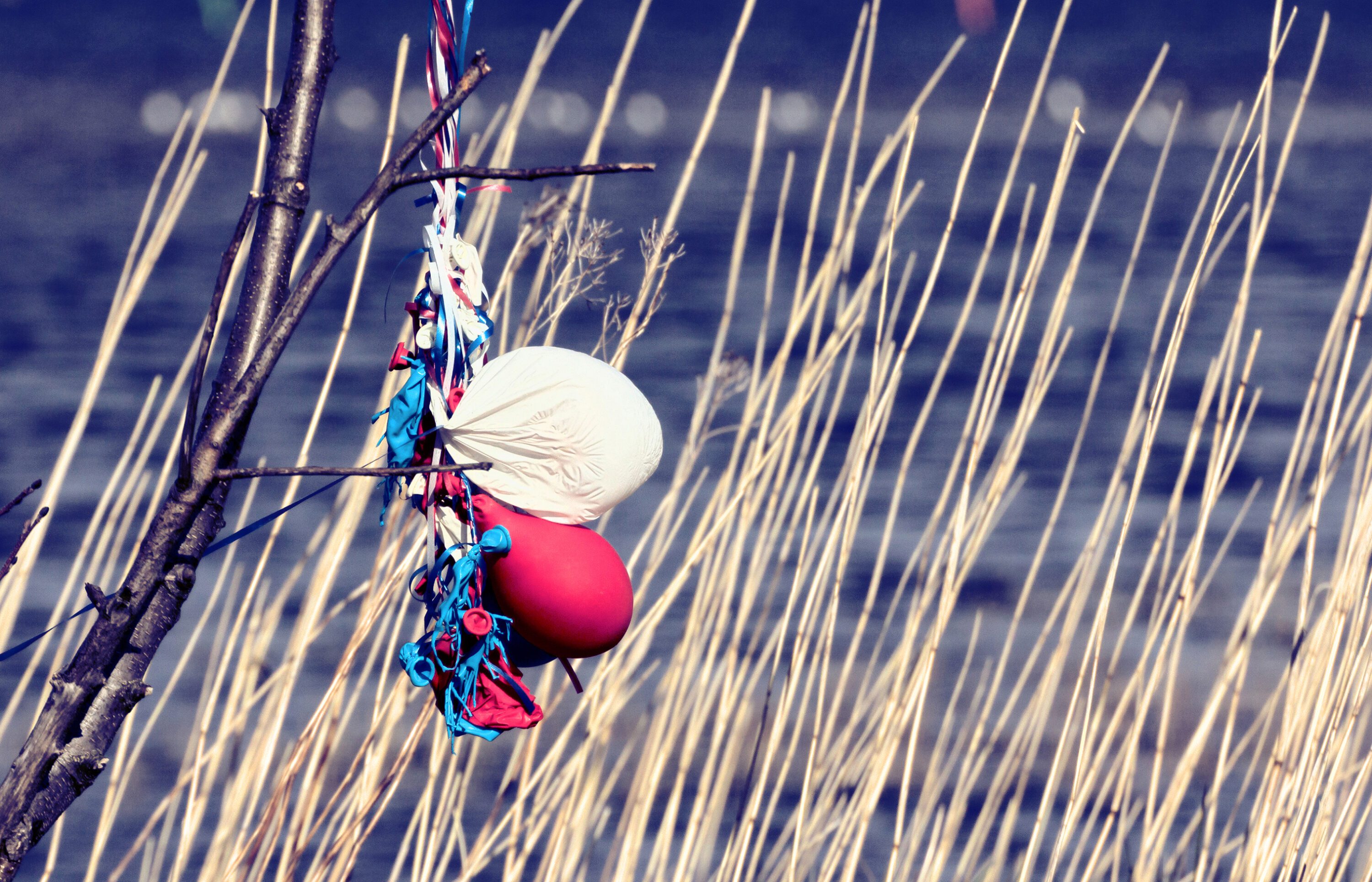
Balloon releases have long been a popular way to mark special occasions such as weddings, graduations, and memorials. While it may seem harmless to watch colorful balloons float into the sky, the reality is far more troubling. Every balloon released eventually returns to earth, where it becomes dangerous litter that threatens wildlife and pollutes the environment.
Impact on Wildlife
Wild animals are especially at risk from balloon debris. Sea turtles, for example, often mistake floating balloons for jellyfish, one of their natural prey. When swallowed, the soft, rubbery material can block their digestive systems, leading to starvation, internal injury, and death. Soft plastics, like balloons, are among the deadliest materials when ingested by seabirds. Even small fragments of balloon material can cause fatal blockages, making them far more hazardous than harder plastic items.
The attached strings and ribbons on balloons create additional dangers. Animals such as dolphins, whales, seals, seabirds, and even land animals including livestock can become tangled. Entanglement restricts movement, causes injuries, and can cut off circulation, often leading to a slow and painful death.
Additional Negative Impacts
The dangers do not stop with individual animals. Balloon pollution affects entire ecosystems. When predators consume prey that has ingested balloon fragments, plastic materials can accumulate throughout the food chain, potentially harming reproduction, growth, and survival rates. This weakening of wildlife populations can disrupt the natural balance and health of entire ecosystems.
Balloons also create serious safety hazards for people. Mylar balloons are highly conductive and can cause power outages when they come into contact with electrical lines. Hundreds of outages across the country each year are linked to balloon-related incidents, leading to fires, costly repairs, and service disruptions.
A Persistent Problem
The environmental impact of balloon litter is long-lasting. While some balloons are advertised as biodegradable, research has shown that balloons made of natural latex material can take years to break down, particularly in oceans where sunlight and oxygen are limited.
Mylar balloons (foil balloons) are made from a synthetic polyester film that is coated with a very thin layer of metal. They are considered non-biodegradable. As these materials break into smaller pieces, either by physical forces or UV-driven photodegradation, they contribute to the growing problem of microplastic pollution, contaminating waterways, soils, and even the air. Microplastics have been detected in a wide range of organisms, from marine life to farm animals, and have even entered human food and drinking water sources.
In response to these widespread problems, many communities and governments have introduced bans and restrictions on balloon releases. These efforts are part of a growing movement to protect wildlife, reduce pollution, and ensure public safety.
Alternatives to Balloon Releases
Thankfully, there are many meaningful and safe alternatives that allow people to celebrate without harming the environment.
No mess throw streamers (also called no mess confetti poppers) are widely available online and offer a fun way to celebrate without the plastic litter and clean up.
Other thoughtful ways to honor special moments could include blowing bubbles, lighting candles or sparklers, planting trees or wildflowers, flying kites, or organizing community service projects. Paper pom poms, streamers, and lanterns are affordable, sustainable decor options that could also be used in place of balloons.
By choosing alternatives to balloon releases, each person can make a positive difference. Small changes in tradition can help protect wildlife, reduce pollution, and preserve the beauty and health of our planet for generations to come.