
Farming

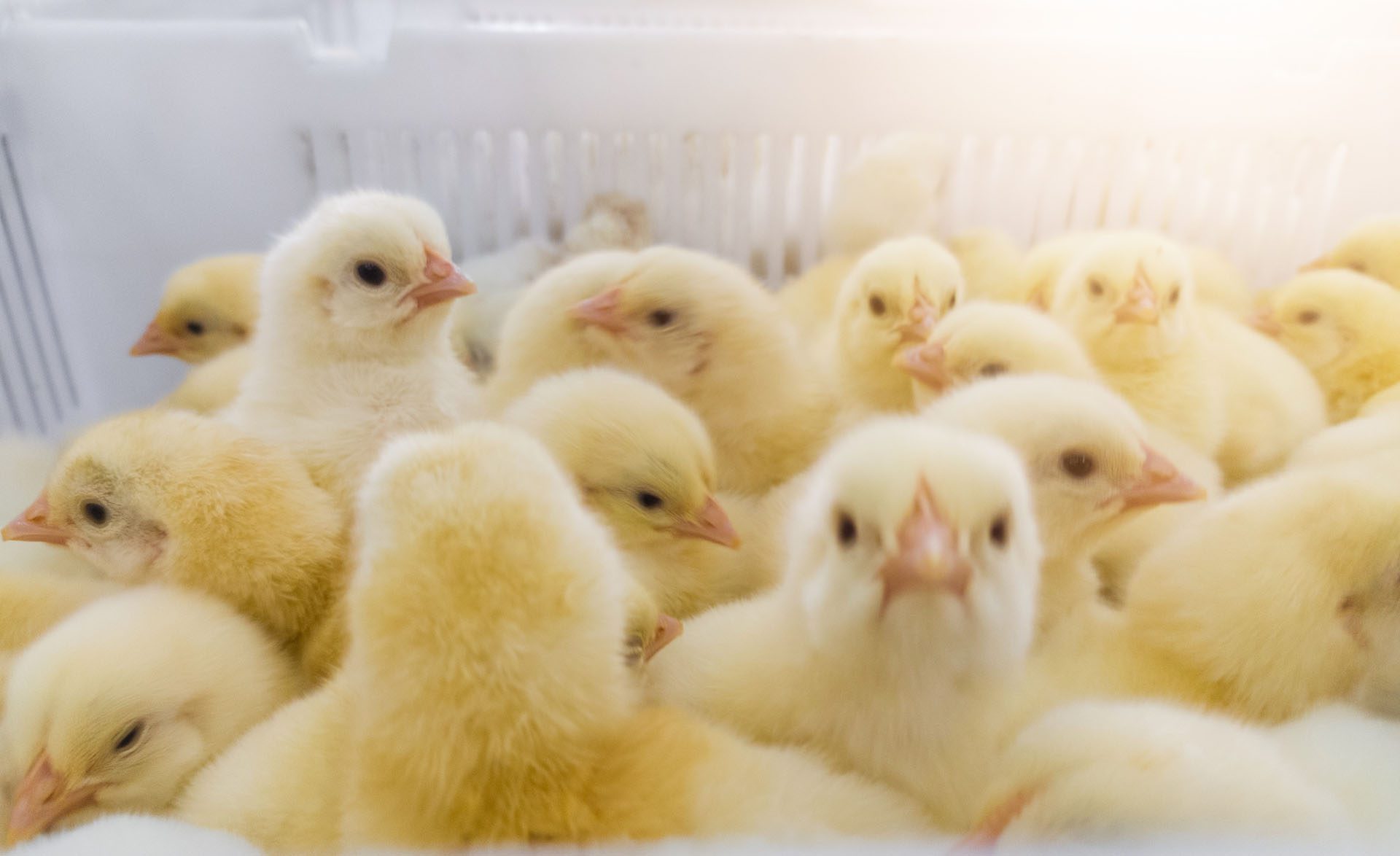
Salmonella is one of the leading causes of foodborne illness in the United States, often linked to poultry products because the bacteria can colonize chickens without symptoms and spread during processing. Control requires a multihurdle approach across the production chain: strict farm biosecurity, use of feed additives such as probiotics and organic acids, litter treatments, and vaccination; thorough cleaning and disinfection in hatcheries and transport; and HACCP-based interventions in processing plants, including logistic slaughter, rapid chilling, and antimicrobial treatments. No single measure is sufficient, and combined strategies and consumer education on safe food handling are essential to reduce Salmonella contamination and illness.
Why Does Salmonella Matter?
Salmonella is a leading foodborne pathogen in terms of hospitalizations and deaths in the United States. While there are more than 2,500 different Salmonella serovars, the most common are Salmonella Enteritidis, Salmonella Typhimurium, and Salmonella Newport, which account for a high number of foodborne Salmonellosis in humans.
These foodborne infections are usually self-limiting and often require no antibiotic therapy. However, in young children, older adults, and patients with compromised immune status, the infections may require antibiotic therapy and could even be lethal. Unfortunately, these foodborne Salmonellosis infections are linked to contaminated poultry and meat products more than 23 percent of the time.
One of the challenges is that non-typhoidal Salmonella is a commensal of chickens, meaning it thrives in the chicken’s intestinal tract and can multiply up to 10,000,000 cells per gram of feces without producing any visible signs of illness in infected birds. When these contaminated birds are slaughtered and processed, there is a risk of contamination on the final raw carcass and a possibility of cross-contamination into ready-to-eat food products. It has been reported that between 100,000 and 1,000,000 Salmonella cells can cause foodborne illness in healthy adults. However, this number is reduced in young children, older adults, and immunocompromised individuals. Therefore, the US Department of Agriculture Food Safety Inspection Service (USDA FSIS) performs routine screening for Salmonella in commercial poultry processing and categorizes the raw chicken products (whole carcass, parts, and ground chicken) into different categories 1, 2, and 3, with category 1 being the best performer in controlling Salmonella.
Where Does Salmonella Come from in Broiler Chicken Farms?
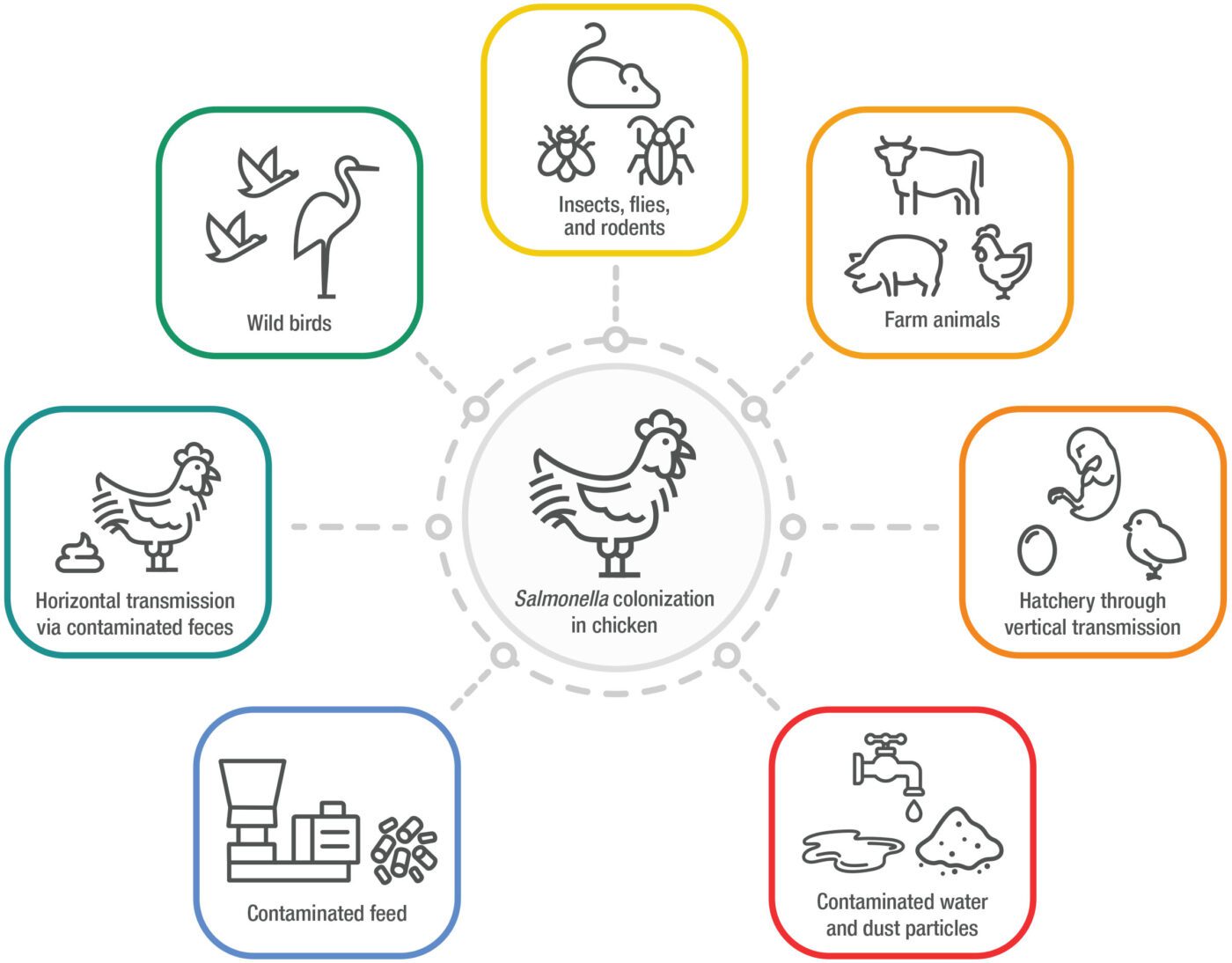
Figure 1. Possible sources of Salmonella contamination in broiler chicken farms
Salmonella is commonly present in the intestinal tract of domestic and wild animals, including birds. It can also survive under environmental conditions inside and outside chicken houses and facilities. It can be introduced or reintroduced into broiler chicken flocks from many sources and can remain persistent in a broiler chicken production environment even after cleaning and disinfection. As shown in figure 1, contaminated feed and drinking water, crawling insects, rodents, wild birds and animals, contaminated equipment and personnel, dust particles, contaminated chicks from hatcheries, or contaminated fertilized eggs from breeder farms are considered common reservoirs of Salmonella. In modern poultry production systems, the pelleting process in feed mills and the use of water sanitizers have significantly decreased the entry of Salmonella to broiler chicken farms through these routes.
However, other sources can potentially transmit bacteria from both the outside and the inside environments of chicken houses into the birds. Once the birds are infected, Salmonella colonize and multiply in the intestinal tract, particularly in the ceca. Infected birds usually remain asymptomatic but can shed large numbers of bacterial cells into the outside environment in the chicken houses. Salmonella is transmitted to healthy birds through the fecal-oral route, thereby increasing the percentage of positive birds in the broiler flocks. Moreover, contamination can further increase during transport and processing in commercial slaughterhouses. Two Salmonella surveillance studies at Auburn University showed that there are multiple entry points for Salmonella along the broiler chicken production systems. The DNA analyzed in these studies showed that the transmission of the same Salmonella strain between the environment around live poultry farms and facilities can ultimately contaminate the final product in poultry slaughterhouses. Therefore, it is crucial to continue developing and using strategies to reduce or eliminate Salmonella in and around broiler chicken flocks to reduce contamination of the final raw chicken products.
What Control Strategies Can Be Adapted on the Farm?
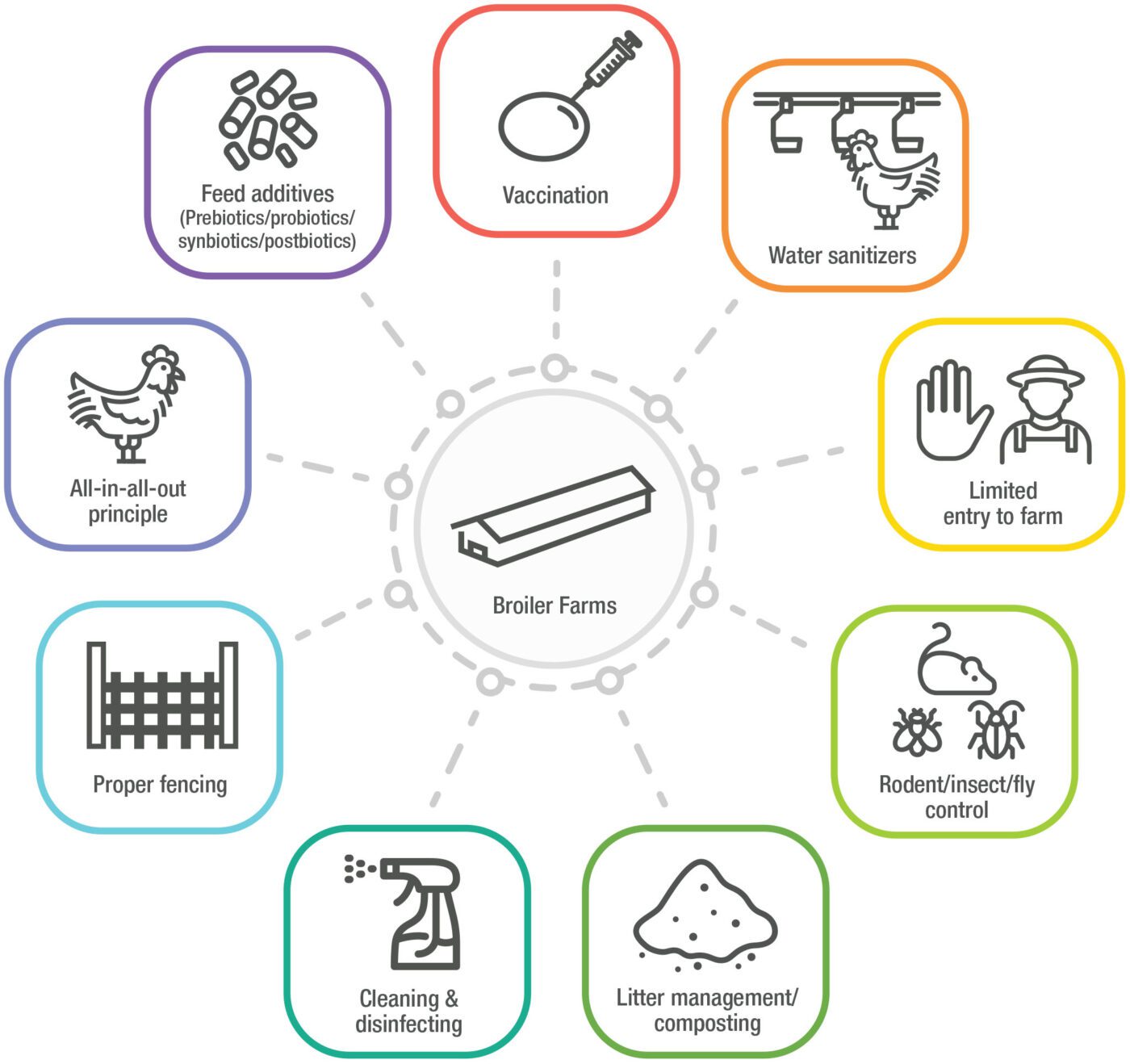
Figure 2. Intervention strategies against Salmonella on the farm
Biosecurity is one of the most cost-effective and practical ways to prevent Salmonella and many other harmful organisms from entering the chicken house. These include restricting visitor access, using footbaths, eliminating vegetation around buildings (using rocks instead), ensuring easily washable and disinfected building surfaces, implementing effective rodent and insect control programs, following all-in-allout principles, and introducing Salmonella-free birds from hatcheries. Other good practices include having proper fencing around poultry houses, keeping a visitor logbook, having a changing room with a shower, and routinely monitoring for Salmonella throughout the total production chain. These are some of the major biosecurity measures that can be applied as interventions to reduce Salmonella from entering the chicken house (figure 2). Ensuring adequate sanitary practices and restricting unnecessary personnel visits to broiler chicken farms are crucial to avoiding the entry and re-entry of Salmonella. Cleaning of spilled feed in and around the chicken house will prevent rodents, wild birds, and insects from potentially introducing Salmonella to the flock. Consistent and accurate use of disinfectants, proper hardness and temperature of cleaning water, and proper cleaning of the poultry house environment before disinfection will prevent biofilm formation by bacteria, thereby reducing Salmonella in the next broiler chicken flock.
Feed prebiotics, probiotics, postbiotics, phytobiotics, and synbiotics in the form of feed additives or supplements have been shown to help minimize Salmonella bacteria in the chicken intestinal tract by improving the competition with beneficial bacteria. In addition, the use of nanoparticles and bacteriophages, viruses that infect and destroy bacteria such as Salmonella, has been investigated for its potential to reduce Salmonella in poultry production. Similarly, organic acids in drinking water and feed have been shown to increase crop acidity, thereby reducing Salmonella levels. Appropriate poultry litter treatment, such as windrow composting studies conducted at Auburn University, demonstrated impressive results in destroying Salmonella and other pathogens.
Another control method for Salmonella is vaccination. Salmonella vaccines are commercially available for use in breeder flocks and for young broiler chickens. Furthermore, studies have been conducted to increase the effectiveness of available vaccines and provide a wider range of cross-protection against different Salmonella bacterial types.
What Control Strategies Can Be Adapted in the Hatchery, Transport, and Processing Facilities?
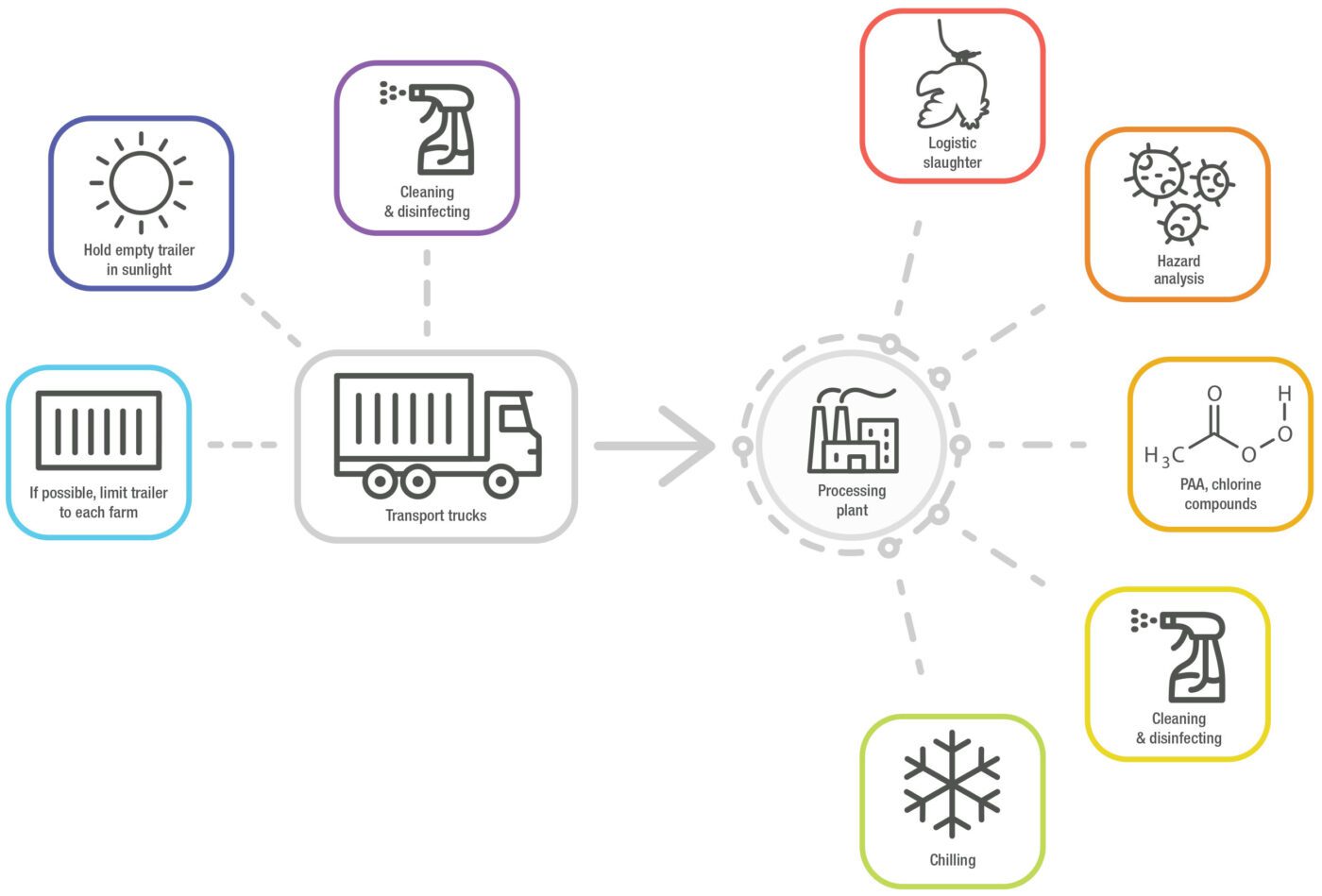
Figure 3. Intervention strategies at transport and poultry processing facilities
The use of cleaned and sanitized chick baskets is essential for the transport of Salmonella-free day-old chicks from the hatchery to grow-out broiler chicken houses. In the hatchery, cleaning and disinfecting different compartments, equipment, and chick baskets with appropriate agents is necessary to reduce or eliminate the bacterial load. This is because Salmonella can be vertically transmitted from parent flocks to the grow-out broiler birds via contaminated fertilized eggs. Eggs from Salmonella-colonized parent flocks can also introduce this bacterium to the hatchery environments, which has been shown to lead to Salmonella contamination in broiler chicken grow-out farms.
During harvest of market-age broiler chickens, the presence of Salmonella could be further increased during transport and slaughter due to crosscontamination. A meta-analysis of 10 surveillance studies of Salmonella conducted in the United States showed that transportation of birds to the processing plant had the highest Salmonella recovery rate (62 percent) among the production and processing stages of integrated broiler complexes. Effective cleaning and sanitizing of transport cages after each load would help reduce Salmonella levels present during transport. Researchers at the University of Maryland reported effective elimination of Salmonella biofilms from transport containers using disinfectants like bleach (0.05% vol/vol) and hydrogen peroxide (1% wt/ vol). Similarly, researchers at Auburn University have demonstrated that pressurized steam followed by forced hot air reduced Salmonella transfer to broiler chickens compared with uncleaned coops. If possible, it is beneficial to hold the empty trailers or transport coops under the sunlight to allow them to dry and limit the use of trailers or transport cages to one specific broiler farms each day (figure 3).
In the processing plant, broiler chicken flocks known to be Salmonella negative can be slaughtered first, followed by those Salmonella-positive flocks (known as logistic slaughter). Efforts should focus on reducing stress in birds and minimizing fecal contamination during live bird transportation, slaughter, and processing. Adequate feed withdrawal duration (8 to 12 hours), appropriate bird density during catching, use of dark-blue light while hanging live birds on shackles, and humane slaughter of birds are some of the efforts to reduce stress in finished birds before processing. A Hazard Analysis and Critical Control Points (HACCP) based approach is applied in commercial poultry processing facilities to control processes and ensure the production of a wholesome product. This approach helps identify potential hazards and determine critical control points that can prevent or reduce Salmonella contamination during the processing of broiler chickens. Quickly reducing the meat temperature to refrigerated conditions helps slow the growth of any bacteria present. Different levels of peracetic acid are commonly used in carcass chillers to reduce potential Salmonella contamination effectively. The use of ozone nanobubbles and different combinations or concentrations of essential oils or organic acids has also been researched for their application in poultry meat products.
Currently, there is no single intervention strategy that will control Salmonella in raw poultry. However, it is important to identify the critical entry points and transmission patterns across various stages, including parent pullet and breeder farms, broiler farms, hatcheries, transport, and processing plants. Once the critical points and transmission patterns are identified, intervention strategies against Salmonella can be targeted to those points with the greatest impact. A multihurdle approach that includes strict biosecurity measures, best management practices, the use of probiotics, prebiotics, or feed supplements, and vaccination is a useful tool for Salmonella control. For public health concerns, properly cooking food, washing hands frequently, avoiding cross-contamination with other food items, proper refrigeration, and consumer awareness and food safety training for food handlers are major preventive measures suggested by USDA FSIS to reduce the incidence of Salmonella infections.
References
Adhikari, Y., Bailey, M.A., Kitchens, S., Gaonkar, P., Munoz, L.R., Price, S.B., Bourassa, D.V., Huber, L., Buhr, R.J., Macklin, K.S., 2025. Whole-genome sequencing and phylogenetic analysis of Salmonella isolated from pullets through final raw product in the processing plant of a conventional broiler complex: a longitudinal study. Microbiol. Spectr. 13 (2): e02090-24.
Adhikari, Y., Bailey, M.A., Krehling, J.T., Kitchens, S., Gaonkar, P., Munoz, L.R., Escobar, C., Buhr, R.J., Huber, L., Price, S.B., Bourassa, D.V., Macklin, K.S., 2024. Assessment and genomic analysis of Salmonella and Campylobacter from different stages of an integrated no-antibiotics-ever (NAE) broiler complex: a longitudinal study. Poult. Sci. 104212.
Interagency Food Safety Analytics Collaboration (IFSAC). 2022. Foodborne illness source attribution estimates for 2015 for Salmonella, Escherichia coli O157, Listeria monocytogenes, and Campylobacter using multi-year outbreak surveillance data, United States. Accessed October 2025.
Macklin, K.S., Hess, J.B., Bilgili, S.F., 2008. In-house windrow composting and its effects on foodborne pathogens. J. Appl. Poult. Res. 17(1): 121-127.
Crabb, H. K., Allen, J.L., Devlin, J.M., Firestone, S.M., Wilks, C.R., Gilkerson, J.R., 2018. Salmonella spp. transmission in a vertically integrated poultry operation: Clustering and diversity analysis using phenotyping (serotyping, phage typing) and genotyping (MLVA). (ADS Sant’Ana, Ed.). PLOS ONE 13(7): e0201031.
Ramesh, N., Joseph, S.W., Carr, L.E., Douglass, L.W., Wheaton, F.W. (2002). Evaluation of chemical disinfectants for the elimination of Salmonella biofilms from poultry transport containers. Poult. Sci. 81(6): 904-910.
Reina, M., Urrutia, A. Figueroa, J.C., Riggs, M.R., Macklin, K.S., Buhr, R.J., Price, S.B., Bourassa, D.V., 2024. Application of pressurized steam and forced hot air for cleaning broiler transport container flooring. Poult. Sci. 103: 103276.
 Yagya Adhikari, Postdoctoral Fellow; Dianna Bourassa, Extension Specialist, Associate Professor; and Kenneth Macklin, Emeritus Professor, all in Poultry Science, Auburn University
New April 2026, Salmonella Control in Integrated Broiler Complexes: Practical Perspectives, ANR-3232