
Food Safety

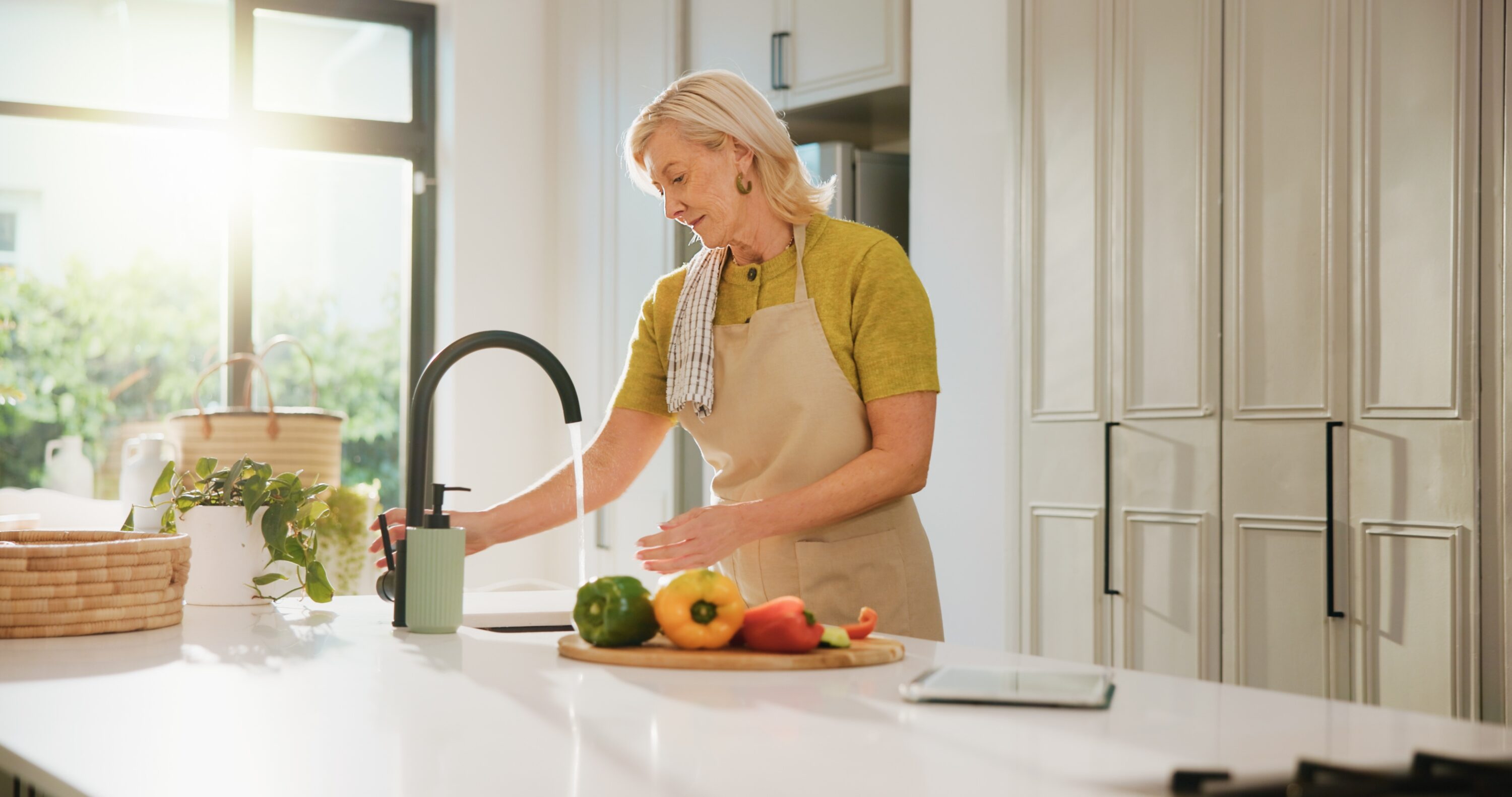
A safe food environment is essential for protecting family and friends from potential foodborne illness. The following list describes potential pitfalls in key food safety areas such as food storage, preparation, cooking temperatures, serving, cleaning practices, and personal hygiene. Alongside each problem, there is a solution with corrective steps that will help quickly resolve issues before they lead to safety risks.
Food Storage
Before Bringing Groceries Home
Problem. After shopping for groceries, food is left in a hot car or is not taken home immediately.
- Solution. Make the grocery store the last stop. Take food home quickly, and put it up immediately. Do not leave food in a hot car.
Problem. Food is bought or used that is in poor condition or in dented or bulging cans. Bulging cans may be an indication of botulism and pose a serious food safety threat.
- Solution. Never buy food should that is in poor condition. Fruits and vegetables should be fresh, packages and containers should be unopened, frozen food should be frozen solid, and canned goods should be free of dents and bulges.
Refrigeration
Problem. The temperature of the refrigerator is above 40 degrees F and the temperature of the freezer is above 0 degrees F.
- Solution. Use an appliance thermometer to check the temperature of the refrigerator and freezer and make adjustments. The refrigerator should be 40 degrees F or below and the freezer unit should be 0 degrees F or below.
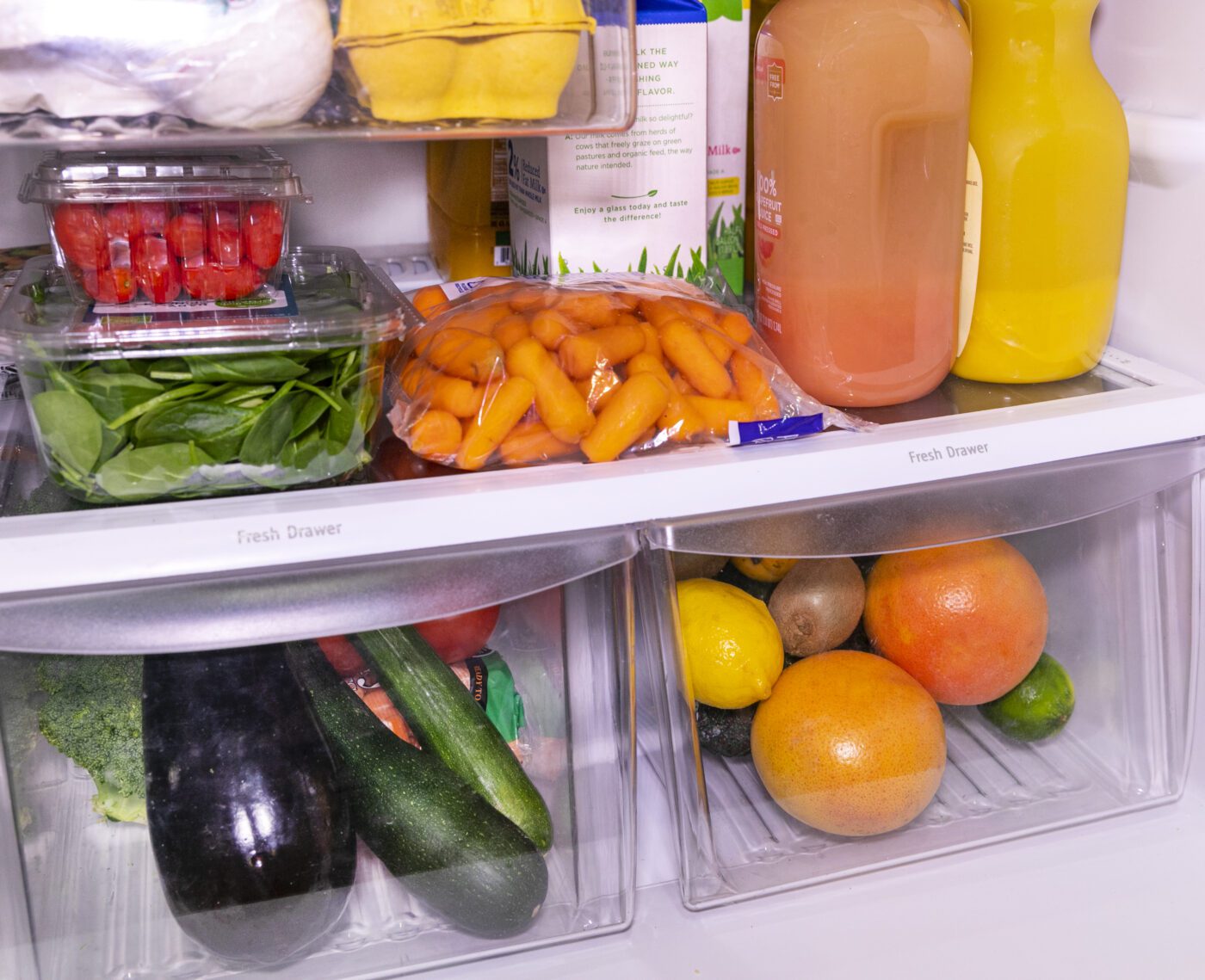 Problem. The refrigerator is crowded.
- Solution. Organize items in the refrigerator. When the refrigerator is crowded, air cannot circulate to keep food cool and at safe temperatures.
Problem. There is moldy or spoiled food in the refrigerator, which can contaminate other foods.
- Solution. Clean out the refrigerator on a regular basis so that perishable food is not allowed to spoil or mold.
Problem. There is food in the refrigerator that is past the labeled expiration date.
- Solution. Throw food away that is past the expiration date on the label. Do so promptly; do not allow food to spoil.
Problem. Raw meat, poultry, or fish is stored on top shelves of the refrigerator, which allows juices from these items to drip onto and contaminate food on lower shelves.
- Solution. Store raw meat, poultry, and fish on lower shelves.
Problem. Raw meat, poultry, or fish is stored with other food in the refrigerator.
- Solution. Keep raw meat, poultry, and fish separate from other food in the refrigerator. This ensures no other food comes in contact with raw meat, poultry, or fish or their juices.
Problem. There are opened, partially eaten cans or containers of food in the refrigerator.
- Solution. Throw away leftover portions of food if you have eaten or drank directly from the container.
Problem. Refrigerator shelves and drawers are dirty, which can contaminate food.
- Solution. Wipe up spills immediately.
Problem. Leftovers are stored in the refrigerator in large, deep containers.
- Solution. Store hot food in shallow containers so it will cool quickly.
Other Storage Issues
Problem. Food and drinks are left out at room temperature for more than two hours. Pathogenic microorganisms can begin to grow in food and drinks when they become warm.
- Solution. Store foods properly within two hours.
Problem. Plastic bags are reused to store food.
- Solution. Do not rinse and reuse plastic bags, because they cannot be cleaned thoroughly.
Problem. Potatoes, vegetables, or other foods are stored with cleaning supplies. This could cause food to be chemically contaminated.
- Solution. Store cleaning supplies and other chemicals away from food and food preparation areas.
Problem. Cooked food is left to cool on the countertop before it is refrigerated or frozen. This can allow the temperature of the food to reach the danger zone.
- Solution. Do not allow food to cool on the countertop before it is placed in the refrigerator or frozen.
Preparation
Problem. Frozen food is left out on the countertop to thaw.
- Solution. Thaw frozen food in the refrigerator or microwave. Frozen food should never be left out to thaw at room temperature.
Problem. Raw chicken is rinsed in the sink before preparing. It is impossible to kill microorganisms in this way. In addition, rinsing raw meats such as poultry and fish under running water in the sink creates a fine mist of water that can contaminate other surfaces in the kitchen.
- Solution. Do not rinse raw meat, poultry, or fish before food preparation.
Problem. Raw meat, poultry, or fish is cut on a cutting board and then another food is placed on the same cutting board without washing it first.
- Solution. Always thoroughly wash a cutting board that has been in contact with raw meat, poultry, or fish before using it again. Wooden cutting boards are not recommended because they are hard to clean and sanitize.
Problem. Raw fruits and vegetables are eaten without rinsing.
- Solution. Always rinse raw fruits and vegetables under running water before eating.
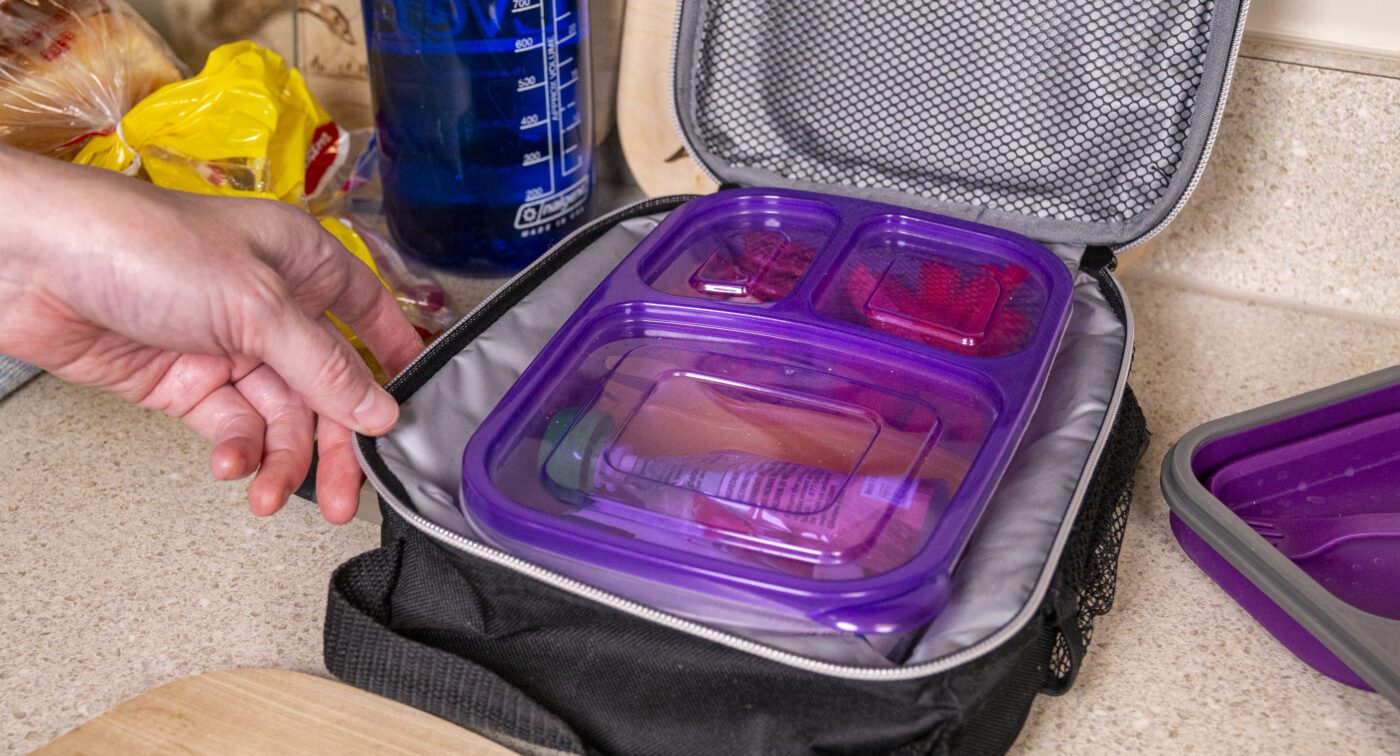 Problem. Sandwiches made with meat, cheese, or other perishable items are packed for lunches or picnics in paper sacks without freezer packs.
- Solution. Use insulated lunch boxes with freezer packs or ice chests to store and transport these items.
Problem. Cookie dough, cake batter, and other foods made with raw eggs are eaten. Because salmonella enteritis can grow inside the egg, eating foods that contain raw eggs is a food safety risk.
- Solution. Do not eat raw eggs; properly bake or cook items before consuming.
Problem. A utensil that is used for tasting is placed back into the food without thoroughly washing it first.
- Solution. When tasting food as it is being prepared, use a separate spoon or utensil for tasting.
Cooking Temperatures
Problem. Safe cooking temperatures of meat, poultry, and fish are unknown.
- Solution. Memorize the safe cooking temperatures. This ensures that meat, poultry, or fish will be safe to eat. Those temperatures are:
- Poultry: 165 degrees F
- Pork: 145 degrees F
- Beef and other meat: 155 degrees F
- Fish: 145 degrees F
Problem. A kitchen thermometer is not used to check the temperature of cooked meat.
- Solution. Use a kitchen thermometer. It is the only reliable way to measure the thoroughness of cooking.
Problem. Eggs are prepared and eaten that are runny and not fully cooked. This is a food safety risk because of salmonella enteritis.
- Solution. Do not eat partially cooked eggs. Fully cook eggs before consuming.
Serving Food
Problem. Food in serving dishes is touched with hands instead of serving utensils, which can contaminate the food.
- Solution. Use utensils to serve food.
Problem. When eating food with dip, the food is partially eaten and then placed back in the dip, leading to contamination.
- Solution. Do not put partially eaten food back into a dip. Scoop dip onto a plate and eat from your personal serving.
Problem. The same plate or utensils are used for raw meat, poultry, or fish, and then used again for serving the cooked food without being washed.
- Solution. Always thoroughly wash plates or utensils that have been in contact with raw meat, poultry, or fish before using them again.
Cleaning Practices
Problem. Sponges, dish cloths, and dish towels are used two or more days without washing.
- Solution. Wash dish cloths and dish towels should be washed daily. Sanitize sponges daily by placing them in the dishwasher.
Problem. Countertops, kitchen sink, and appliances are dirty and not sanitized on a regular basis. This can contaminate food.
- Solution. Use hot soapy water to clean surfaces in the kitchen. Additionally, a water and bleach mixture or commercial sanitizer can be used to sanitize surfaces.
Problem. There are no paper towels or antibacterial soap in the kitchen.
- Solution. Add these items to your kitchen. Paper towels can be used to dry hands and wipe up spills. Antibacterial soap helps to kill microorganisms when hands are washed.
Problem. Pets are allowed on tables and countertops.
- Solution. Do not allow pets on tables or countertops.
Personal Hygiene
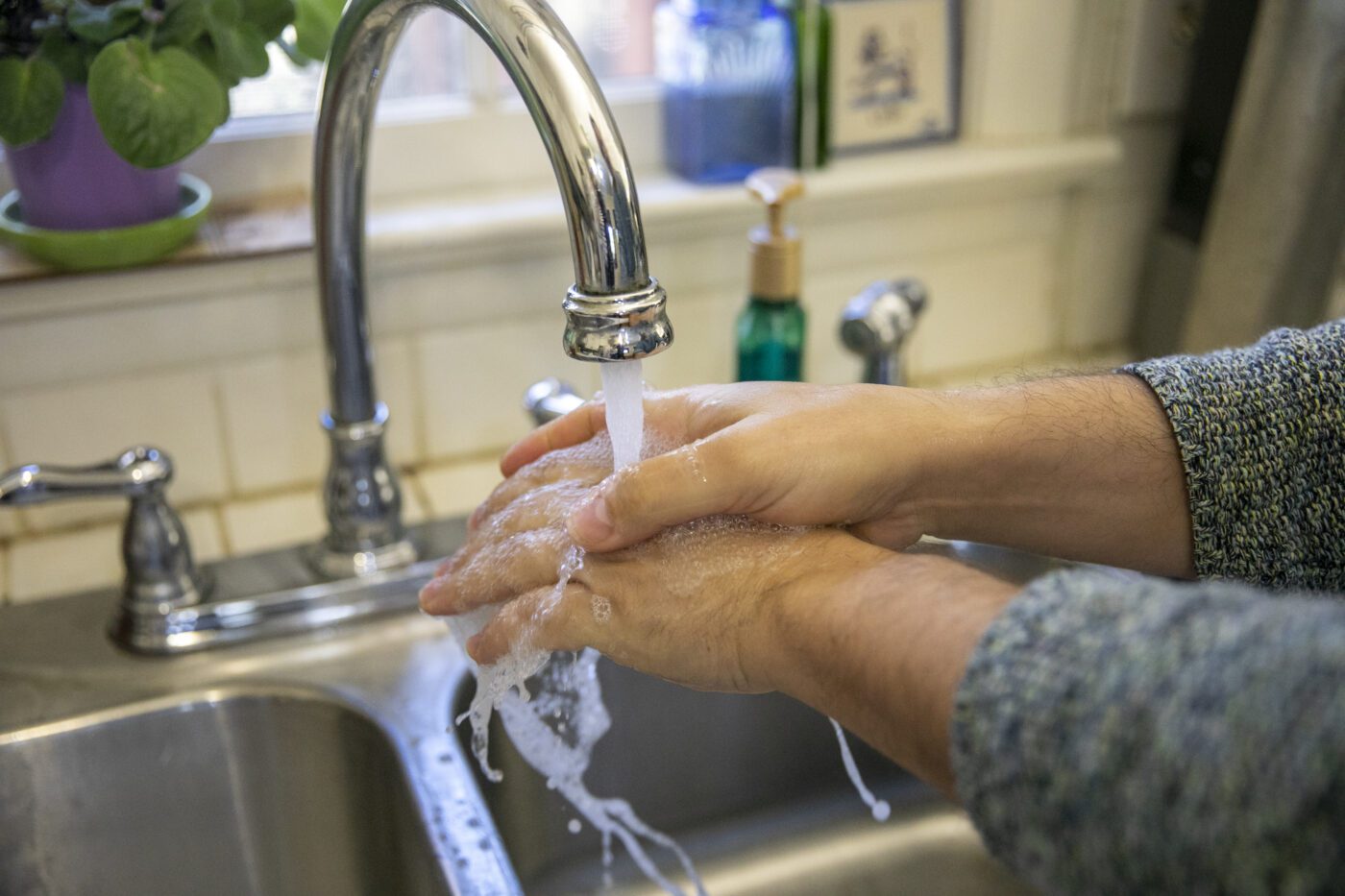 Problem. Family members fail to wash hands before handling and preparing food. Hands are the part of the body most exposed to microorganisms.
- Solution. Wash hands before handling and preparing food.
Problem. Family members fail to wash hands after handling raw meat, poultry, or fish.
- Solution. Wash hands immediately after handling raw meat, poultry, or fish. Also, clean anything your unclean hands touched, including sink faucets, handles, utensils, dishes, and dish towels.
Problem. Instant hand sanitizers are used without washing hands first, which is ineffective.
- Solution. Always wash hands first, even before using instant hand sanitizers.
Problem. Family members share food and drinks with others or with pets. This is a bad habit as it can spread pathogenic microorganisms.
- Solution. Do not share the food or drink you are eating or drinking with others or pets.
Problem. Family members prepare food when they are sick or when they have an open wound.
- Solution. Do not prepare food when you are sick or when you have an open wound on your hand.
Conclusion
It is simple to build a home environment that supports good health, reduces the risk of foodborne illness and ensures that every meal is safe to enjoy. It just take being mindful and paying attention to how food is purchased, prepared, cooked, and stored.