
Farming

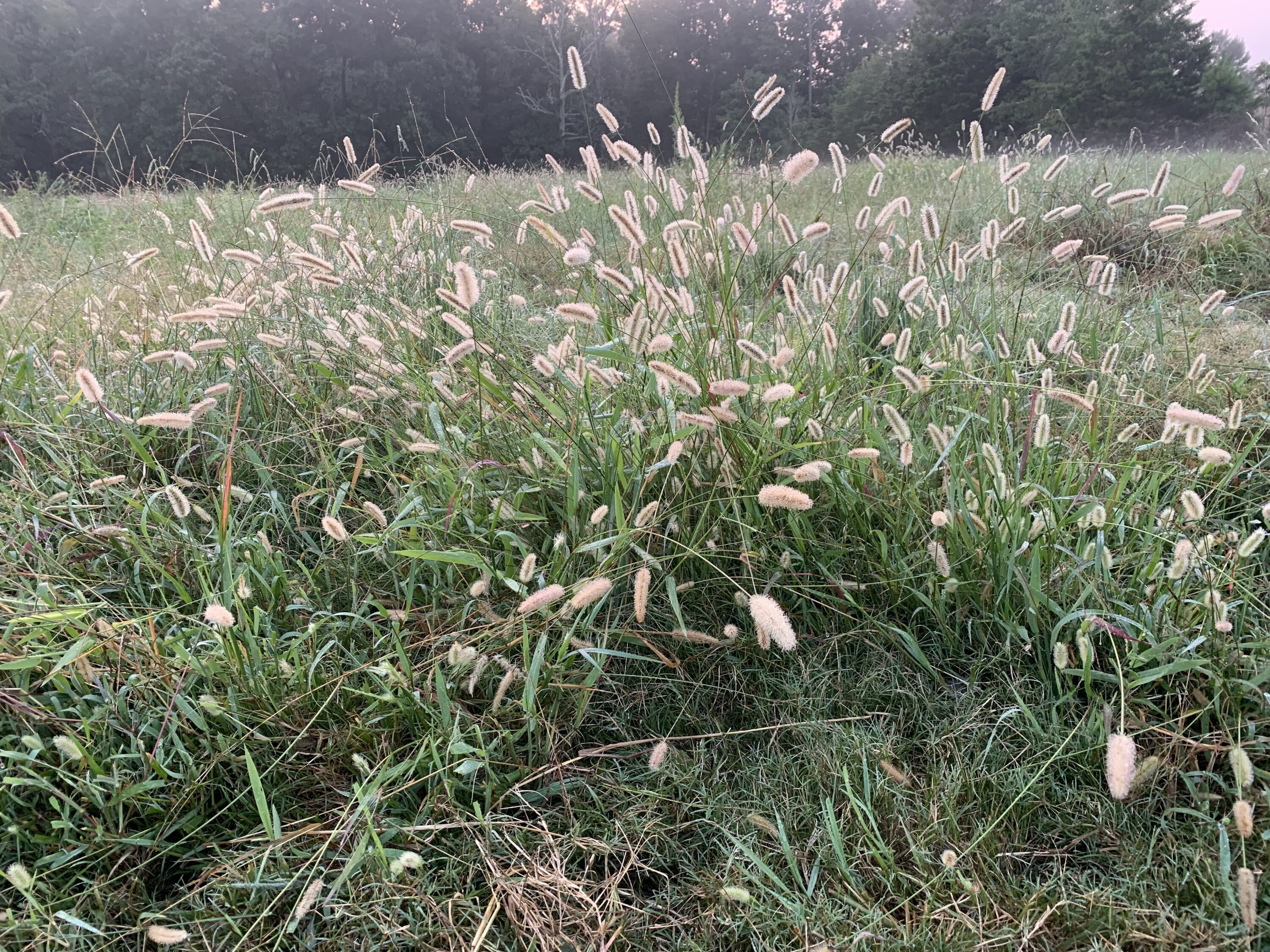
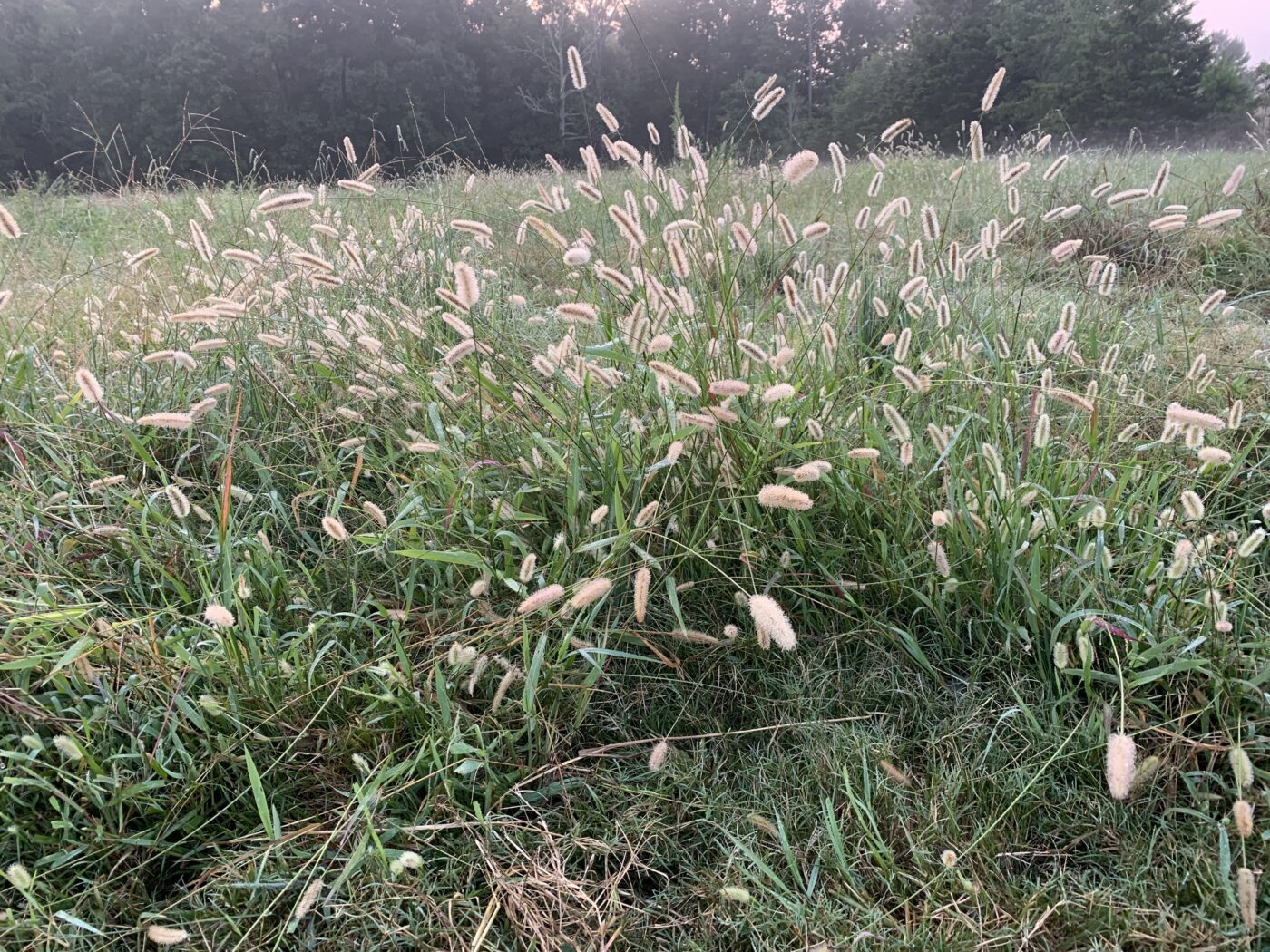
Figure 1. Foxtail tussock on pasture
Each summer, weedy grasses emerge in Alabama fields and compete with desired forage grasses for nutrients, water, and space. Grasses such as yellow foxtail (Setaria pumila), goosegrass (Eleusine indica), and sandburs (Cenchrus spp.) reduce the productivity of hayfields. They also affect the forage’s nutritive value and, consequently, its market value.
There are control options for many of these species, but producers need to be proactive in their management practices. Most of these annual grasses will begin to germinate when the top 2 inches of soil reaches between 58 and 60 degrees F. Therefore, late winter into early spring is the best time to consider management options.
Preemergent Control is Most Effective
Controlling weedy grasses with preemergent herbicides is usually much more effective than using postemergent applications. In other words, it is better to control these grasses before they emerge, rather than delaying attempts and putting desirable forages at risk of herbicide injury. Timely preemergent applications have proven to be cost-effective, especially when forages do not have to compete with weeds during spring green-up.
Prowl H2O (pendimethalin) and Rezilon (indaziflam) are the two herbicide options available for established forage systems. Prowl H2O can be applied to established cool-season (tall fescue) and warm-season (bermudagrass and bahiagrass) fields, while Rezilon is only labeled for warm-season forages.
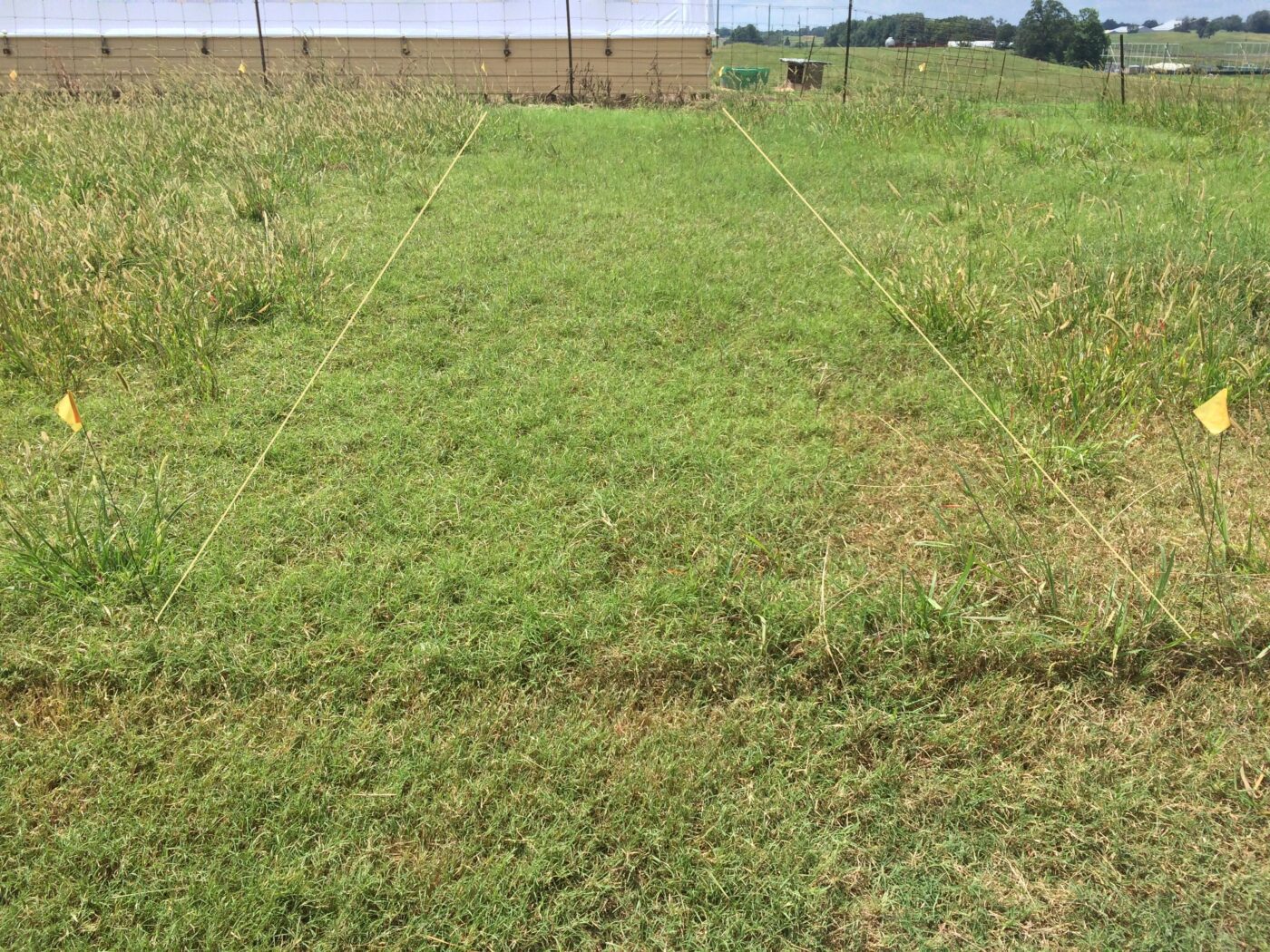
Figure 2. Annual yellow foxtail control 5 ½ months after a February application using 3 fluid ounces per acre of Rezilon. Notice the dense, healthy stand of bermudagrass that increases weed suppression.
For Prowl H2O, best results are achieved when using split applications: 2.1 quarts per acre in mid- to late February and another 2.1 quarts per acre after the first forage cutting, sometime in May. Alternatively, producers can use a single, low rate application (2 to 3 quarts per acre) or a single, full rate application (4.2 quarts per acre) in February.
For Rezilon, producers are encouraged to use a similar split application but at a rate of 3 fluid ounces per acre in mid- to late February and another 3 fluid ounces per acre after the first cutting. Another option is to use a one-time application of 3 to 5 fluid ounces per acre during February. However, no more than 6 fluid ounces should be applied within a 12-month period.
Neither Prowl H2O nor Rezilon applications require a surfactant. The success of these herbicide applications is highly dependent on timely rainfall, ideally at least 0.25 inch of rain within 1 week after applying the herbicide.
Table 1 outlines the recommendations listed above, including the price of applications per acre. These chemical control options will only control grasses emerging from seeds. They will not control plants emerging from rhizomes, such as knotroot foxtail (Setaria parviflora) and johnsongrass (Sorghum halepense).
Table 1. Preemergent Herbicide Recommendations for Weedy-Grass Control in Hayfields
| Herbicide | Rate Per Acre | Price Per Acre |
|---|---|---|
| Prowl H2O (pendimethalin) | Split application: 2.1 quarts + 2.1 quarts or Single application: 2 to 4.2 quarts | Split application: $65 or Single application: $30 to $65 |
| Rezilon (indaziflam) | Split application: 3 fluid ounces + 3 fluid ounces or Single application: 3 to 5 fluid ounces | Split application: $68 or Single application: $35 to $50 |
More Information
A healthy forage stand is much more competitive and effective in suppressing weed encroachment. So, producers are encouraged to properly fertilize their fields based on recommendations from soil test reports. For information and helpful resources related to soil testing, visit aces.edu and search for soil testing.
Trade names are used only to give specific information. The Alabama Cooperative Extension System does not endorse or guarantee any product and does not recommend one product instead of another that might be similar.