
Home & Family

There is no better time than today to make homes eco-friendly. This may seem like a task for lawmakers and industries, but consumers can do many things to make their homes eco-friendly. Being eco-friendly involves adopting eco-conscious lifestyle choices and actions that reduce ecological footprints at home. Essentially, it’s about acknowledging that local actions, however small, can contribute to broader global change in minimizing environmental harm. Following are simple adjustments in and around a home that can benefit the planet and consumers’ wallets. It’s easier than you might think.
Reduce Food Waste
Did you know it takes up to 25 years for a head of lettuce to decompose in local landfills? The average American discards 0.5 kg (one pound) of food daily. Yearly, that equates to 1,000 pounds of food waste per person, which is enough to feed millions. Food waste in the US has tripled in just fifty years, estimated at 30 to 40 percent of its entire food supply. Approximately one-third of all the food the world produces never gets eaten. Organic waste, such as food scraps from a kitchen, is dumped in landfills and breaks down anaerobically, releasing methane. Research says methane gas is 80 times more potent than carbon dioxide as a greenhouse gas in trapping heat and contributing to global warming.
The following can reduce food waste:
- Planning meals at home. Meal planning helps prevent overbuying and keeps food from expiring. Consider what food is available at home before grocery shopping.
- Using leftovers creatively. To extend their shelf life, store leftovers in airtight containers at the correct temperature.
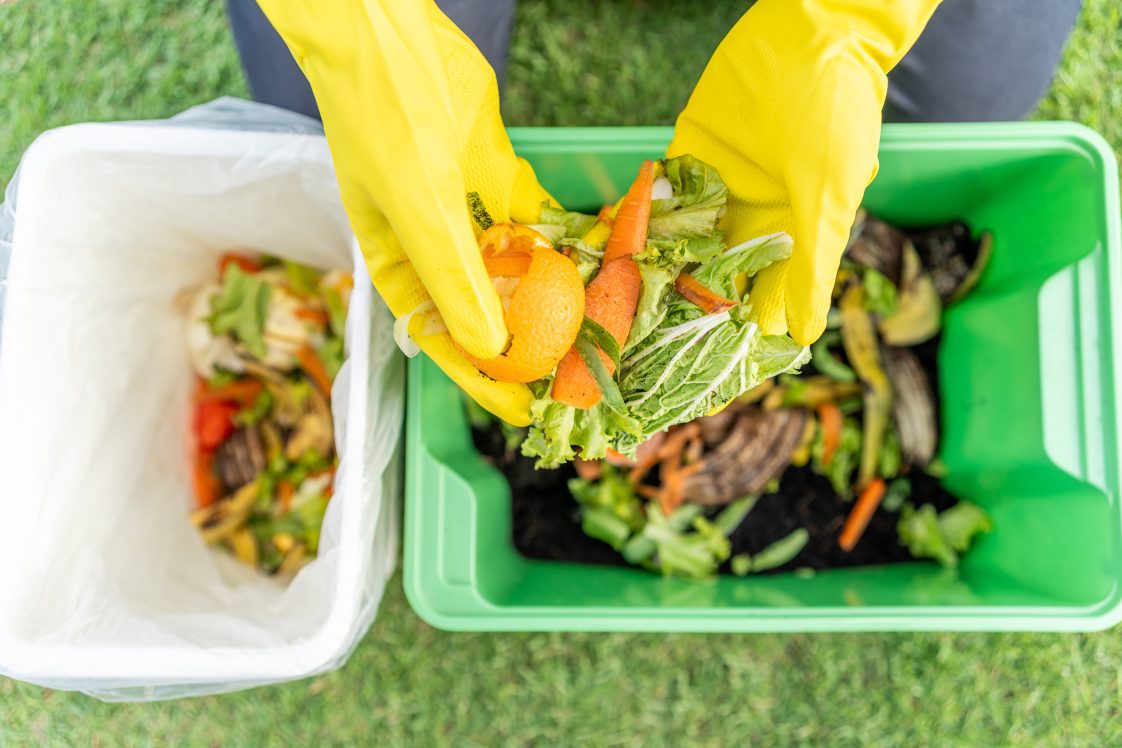
- Composting food scraps. This transforms kitchen waste into a rich, nutrient-filled soil amendment. Create a compost pile or use a worm bin.
Start a Garden
Growing your own food used to be a way of life, as cultivation laid the foundation for human civilization. Humans were once nomadic hunter-gatherers. Now, we only hunt down grocery aisles and gather goods in a cart. With the cost of necessities rising, even in the wealthiest countries, world health experts warn that food shortages may serve as the root cause of the next global health crisis.
Here are some surprising ways growing your own food can lead to a more eco-friendly abode.
- Reduce the distance food travels from farm to table, especially for fruits and vegetables. Less transportation means less fuel usage and less greenhouse gas emissions, which leads to a smaller carbon footprint.
- Create habitats for beneficial insects and pollinators, ultimately aiding biodiversity.
- Mitigate climate change since many plants possess the ability to absorb and store carbon dioxide.
- Reduce dependency on national and global food systems.
- Limit water usage by collecting rain in a rain barrel. Use the stored water can nourish plants.
- Lessen the amount of single-use plastic packaging, which is often used to extend the shelf life and protect commercially grown produce from damage.
Recycle Properly
The US creates more than 12 percent of the planet’s rubbish but is home to only 4 percent of the world’s population. While 75 percent of waste from American households is recyclable, only around 30 percent is recycled. Paper, plastic, glass, and metal are all fated for local landfills. America’s garbage is largely comprised of goods that are used only briefly. More than 28 percent of all US garbage is packaging, equating to 82 million tons of material that is habitually thrown out after a product is purchased or used.
To minimize waste, conserve resources, and create healthier living spaces, consider adopting the following simple changes around the house to minimize environmental harm.
- Create a system with designated bins for recyclables.
- Choose to reduce, reuse, and repurpose items in the home to minimize waste and promote sustainability. Consider using items multiple times instead of discarding, and identify new purposes for old items that would otherwise be thrown out.
- Know your local recycling guidelines, as different areas may accept different materials.
More Information
At first, achieving an eco-friendly home may seem insurmountable. By incorporating lifestyle adjustments and eco-conscious practices in and around the home, you can make a big impact on the environment, your health, and your wallet. Start small, and gradually, you’ll be surprised how easy it is to make a change. In the famous words of Tao Te Ching, “A journey of a thousand miles begins with a single step.”
Visit www.aces.edu for more information on the environment and conserving our natural resources.