
Landscaping

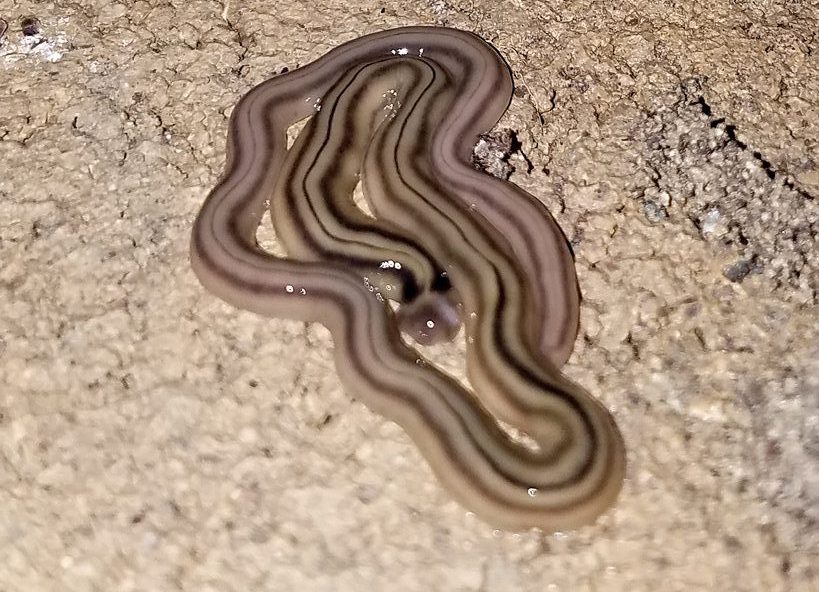
The hammerhead worm is an invasive flatworm that can be found throughout Alabama landscapes. While this pest is new to some, it has been in the United States since the early 1900s, when it was accidentally introduced from imported horticultural plants.
Biological Characteristics
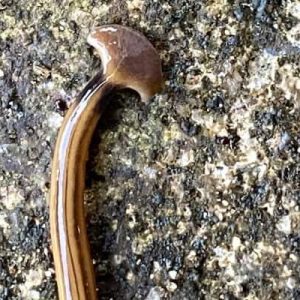
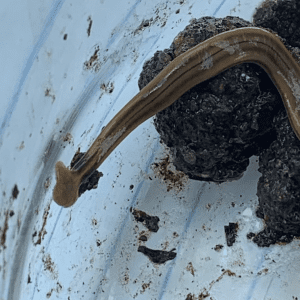
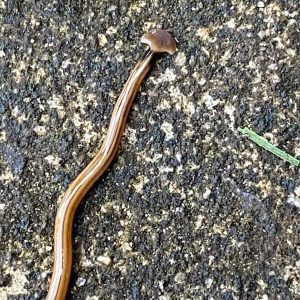
As its name suggests, the most prominent feature of the hammerhead worm is the hammer-like shape of its head. Also, this worm can have between one and five dorsal stripes on its body. This worm is also much larger than other worms that homeowners may be familiar with, such as the European nightcrawler. Its body can be as long as 15 inches but is more commonly between 8 and 12 inches.
With their predatory and cannibalistic nature, hammerhead worms’ prey mainly consists of other annelids, such as the European nightcrawler and red worm. Hammerhead worms are mostly harmless, but they do produce a mild toxin and should not be handled without gloves for prolonged periods or eaten by pets.
Habitat
Hammerhead worms thrive in humid places, so moisture is an important factor to them during habitat selection. Some of their favorite hiding spots include in leaf litter or under rocks, logs, or shrubs. Gardeners may find them when tending both vegetable gardens and flower beds, because those areas harbor a lot of earthworms—one of their favorite preys.
After a heavy rainfall, hammerhead worms may also be found on lawns, porches, or driveways as they try to avoid drowning in their hiding places. During periods of drought, these worms may stay secluded in their damp hiding places and may not be seen until the next rainfall event.
Control Options
While hammerhead worms are mostly harmless to humans, they may feed on beneficial garden creatures, so controlling hammerhead worms may be important for some Alabama gardeners. It is important to know that hammerhead worms can reproduce asexually, so cutting them into tiny sections with a shovel does not kill them. Each cut section can grow into an entirely new worm. Instead, you can crush them with the sole of your shoe, cover them in salt, freeze them overnight, or put them in a bag with soap and water. All of these methods will kill the worm and not allow it to regrow from severed sections. Amphibians will eat hammerhead worms, so they may help keep population levels low if you choose to leave them in the environment.
Reporting Unnecessary
While hammerhead worms are considered invasive species, there is no reporting system in place through the Alabama Department of Agriculture and Industries or any other agency in Alabama.
For more information, contact the home horticulture Extension agent in your area.