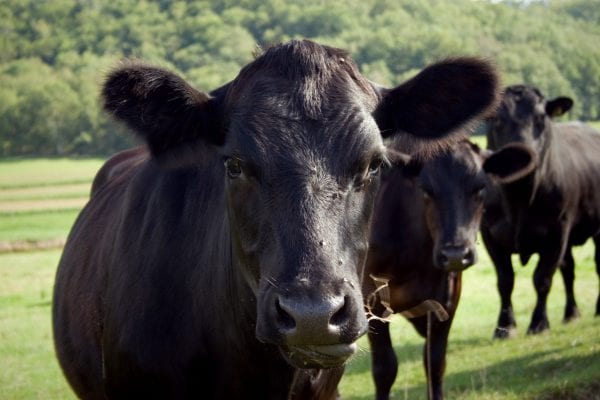
Beef Cow Herd Planning Calendar: February
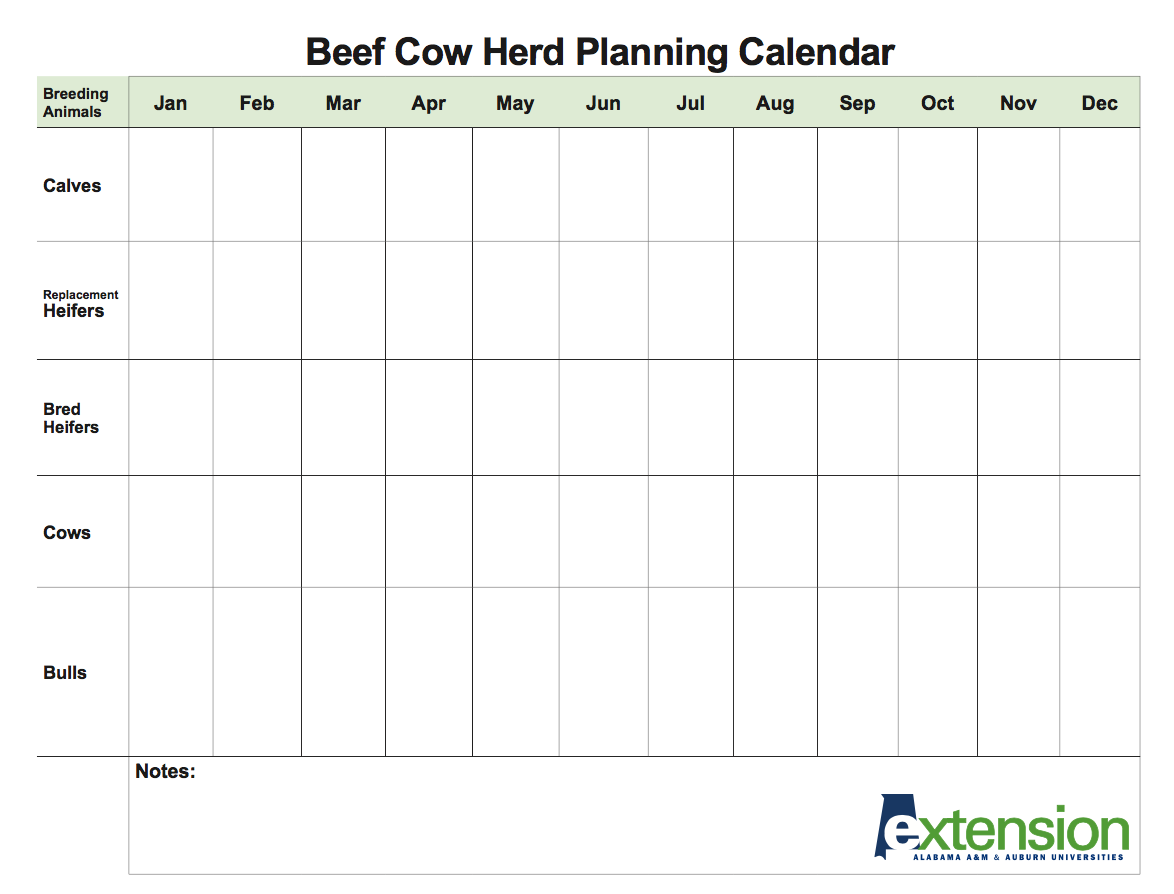
This is the February excerpt of Beef Cow Herd Planning Calendar, ANR-0968-A.
Health Tips
- Continue high magnesium mineral supplement feeding for cows on lush winter pastures to prevent grass tetany.
Forage & Nutrition Notes
- Monitor body condition scores, and adjust nutritional program as needed.
- Graze winter annual pastures, maintaining a 4-inch stubble height.
- Collect soil samples on summer pastures and hay elds to plan spring fertilization and liming program.
- Check with your Extension agent about controlling weeds in cool-season pastures for the summer grazing season.
Winter Calving Herd
- Conduct breeding soundness exams and make sure bulls are in good condition.
- Provide shelter for newborn calves during severe weather.
- Tag, castrate, dehorn, and implant calves as soon as practically possible. Do not implant replacement heifers.
- Begin breeding replacement heifers to calve about 1 month before cows. Heifers bred by early March should calve by mid-December.
- For artificial insemination programs, have ample semen and supplies on hand. Heifers bred by early March should calve by mid-December.
- Make sure your bull is ready for breeding season by having a breeding soundness exam done 60 days before the breeding season.
Spring Calving Herd
- Monitor bred heifers closely for calving.
- Maintain good calving records and effective ID system.
- After calving, plan to move cow-calf pairs to clean pasture to minimize health risk.
- Tag, castrate, dehorn, and implant calves as soon as practically possible. Do not implant replacement heifers.
Fall Calving Herd
- Continue using the best hay and feed for lactating cows.
- Vaccinate calves over 3 months old with clostridial vaccines (blackleg). Check with your veterinarian about other problems in your area.
Read More