
Urban Extension

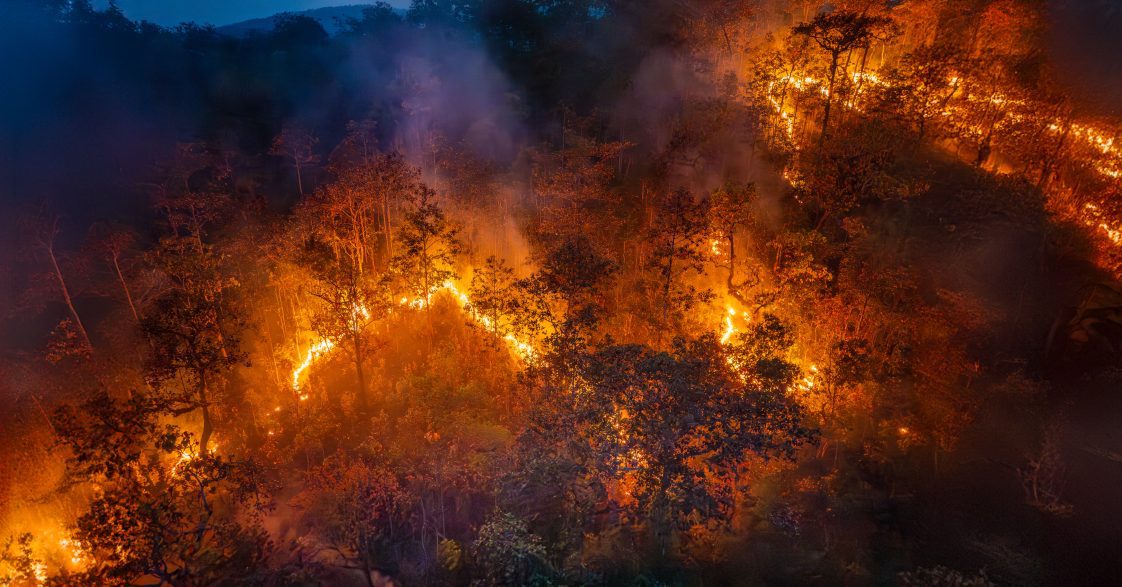
Climate literacy is a critical issue. Improved education and outreach are necessary to minimize the risks of climate challenges communities face. More must be done to increase climate literacy although efforts are underway worldwide. Climate and weather variability affects every facet of life for families, businesses, and the environment. Flooding, tornados, severe droughts, hurricanes, and heat waves are now commonplace challenges, especially for vulnerable communities. Hence, the need to become more climate resilient is at an all-time high.
The capacity to recover from adverse events like the California wildfires is essential. Extension must be able to discuss preparations early on and adapt recovery strategies and solutions that work. In short, climate resiliency must be enhanced so that individuals are better prepared to develop and implement appropriate strategies.
Climate Literacy
According to the National Oceanic and Atmospheric Administration (NOAA), climate literacy entails understanding how people impact the climate and its effect on society and humanity. NOAA defines a climate-literate individual as one who:
- comprehends the vital principles of Earth’s climate system
- knows how to evaluate scientifically credible climate data
- speaks about climate-related issues in an expressive way
- makes informed and reliable determinations regarding actions that may influence climate
Educating our youth is important because they will inherit the planet adults leave behind. They should be climate literate and develop a real connection to the environment early in life. This instills a strong desire to safeguard their future and the planet. According to a teen environmental impact survey conducted by the National 4-H Council in partnership with the Harris Poll, 89 percent of teens regularly think about the environment, and many feel more worried than hopeful; 69 percent of teens surveyed were concerned that they or their families would be affected by climate-related issues shortly. Eighty-four percent felt it might negatively affect future generations if more isn’t done to address climate-related problems today. Contrastingly, the survey also revealed that the teens were optimistic and felt empowered to affect change, with 77 percent expressing they felt responsible for protecting the future of our planet.
Extension Climate Initiative
What can Alabama Extension do to advance climate literacy and education? Extension can learn more about the National Extension Climate Initiative (NECI), formed in 2019 by Extension faculty and staff. These individuals believed more concerted efforts were needed regionally and nationally to adequately manage climate outreach activities, provide resources, deliver networking opportunities, and facilitate professional development.
This spring, the NECI Curriculum Working Group is hosting a webinar series in collaboration with the Cornell College of Agriculture and Life Sciences. The Climate and Communities Webinars are held on the third Wednesday of each month at 2:00 pm ET. They feature speakers from across the United States who work on topics like state-level climate policy and civic engagement in climate action. This is a perfect opportunity to learn more about what the National Cooperative Extension System is doing to promote climate literacy. Visit https://nationalextensionclimateinitiative.net/events/curriculum/ to learn more about the webinar series.
What Can We Do?
In summary, Cooperative Extension is poised to make significant contributions as we move forward to improve both climate literacy and resiliency. Just think, the impact will be significant if just one person is encouraged daily to conserve water, save energy, recycle, or create a disaster preparedness plan. NECI is an excellent place to immerse yourself, gathering educational information and resources that will better enable you as an Extension professional to move forward in advancing climate literacy through Extension and outreach. So, let’s get started today, helping everyone adopt a greener lifestyle for a better tomorrow.
More Information
Visit NECI or www.aces.edu for more climate-related or environmental information.