
Urban Agriculture

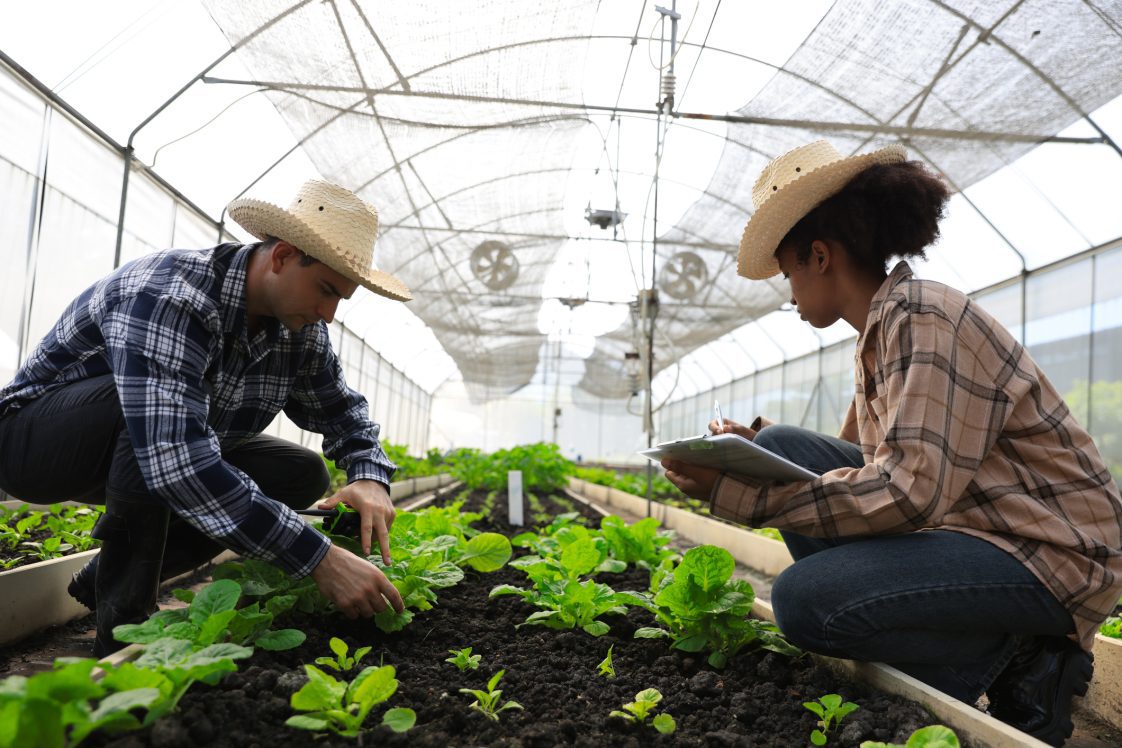
Agriculture is one of the main pillars of society. While its most obvious role is to provide food, its importance goes far beyond that. Agriculture supports our economy, provides employment opportunities, helps protect the environment, and fosters community development. It touches our lives every day, in ways that are both seen and unseen.
Today, agriculture faces a major challenge. Many American farmers are growing older and moving closer to retirement. At the same time, fewer young people are choosing to become farmers. This is often because farming can be expensive, difficult to start, and hard to maintain. The high cost of land, equipment, and supplies makes it tough for new and younger farmers to succeed. If this trend continues, the future of our nation’s food supply and rural communities could be at risk. It is time to take a look at the future of young farmers.
Farmer Demographics
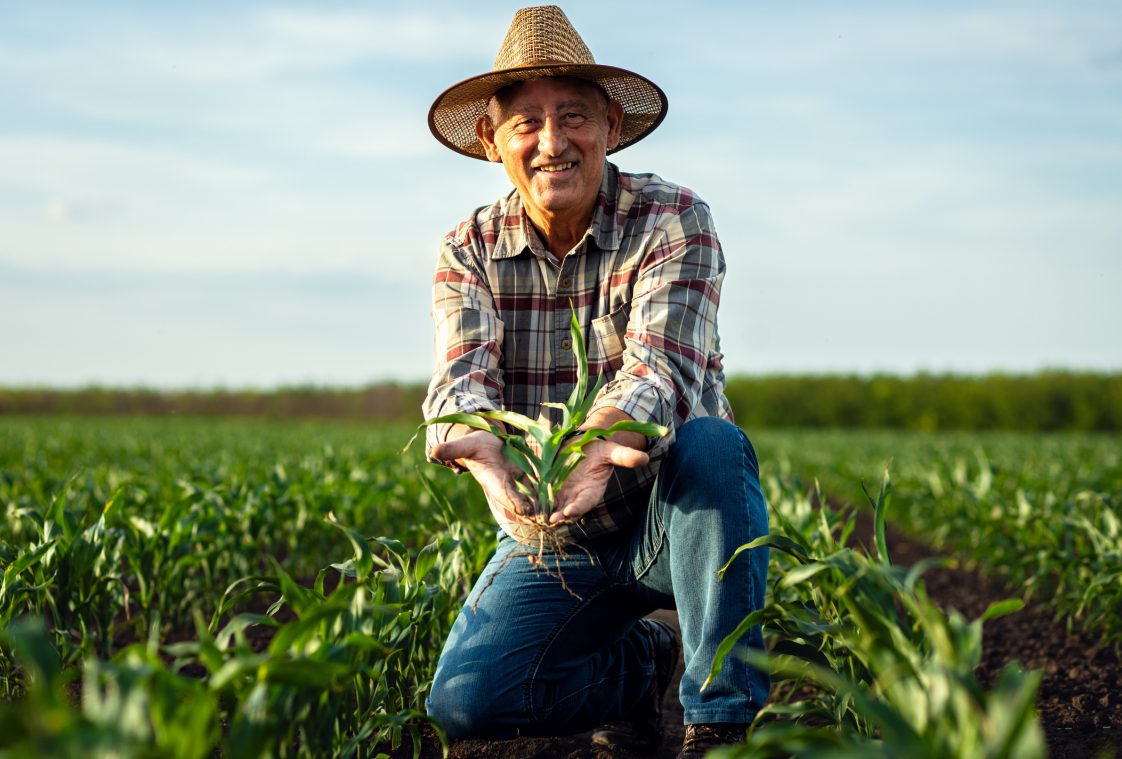 Nearly half of all farmland in the United States is expected to change hands over the next two decades. This presents both challenges and opportunities for new producers. A new generation of young farmers could help reshape how America grows its food, especially since 87 percent of young producers report using regenerative practices and 97 percent describe their farms as sustainable.
In 2022, the average age of a US farmer was 58.1 years, up from 57.5 in 2017. During that same time, the number of farms dropped to 1.9 million while the number of farmers stayed about the same at 3.4 million. Only 9 percent of farmers were under the age of 35. Total farmland also fell below 900 million acres for the first time since 1992. However, the market value of crops sold increased from $190,000 per farm in 2017 to $285,000 in 2022. This increase raises an important question: Will young people begin to see farming as a profitable and promising career?
Recruiting Young Farmers
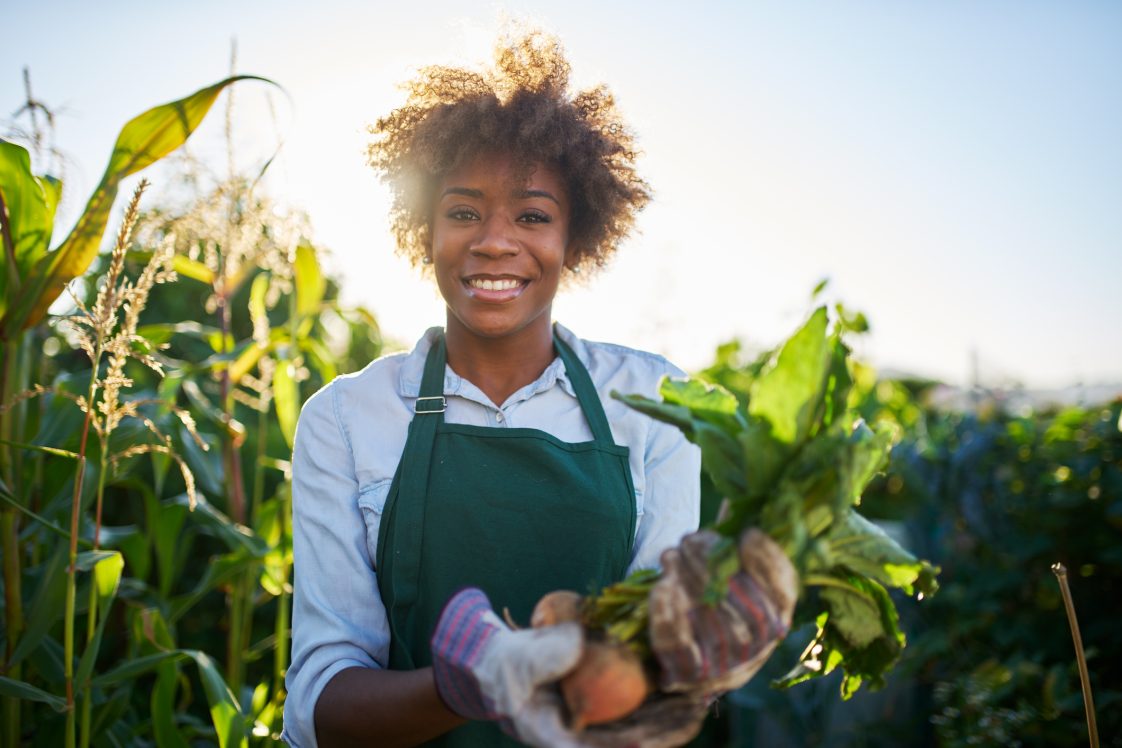 The National Young Farmers Coalition is working to encourage and support the next generation of farmers. The organization also supports legislation that makes it easier to start and sustain a farm. Their guiding idea is that when young farmers are properly trained and given the right resources, they can help strengthen the nation’s food system and care for the land that sustains it.
In addition to advocacy, the Coalition runs outreach programs to promote farming as a viable and rewarding career path for young people. According to the 2022 National Young Farmer Survey report, many challenges stand in the way of new and beginning farmers. About 78 percent of young farmers are first-generation producers—people who did not grow up on farms. Many of them focus on growing fruits, vegetables, and flowers.
To secure the future of American agriculture, solutions must focus on helping young people enter and stay in farming. One of the biggest steps is improving access to land. Programs that make farmland more affordable, such as land-link initiatives, conservation easements, and beginning farmer loan programs, can help new producers get started.
Stronger education and training opportunities are also key. Schools, colleges, and Cooperative Extension programs can provide hands-on learning in modern farming methods, business management, and sustainable production practices. Mentorship programs that connect experienced farmers with beginners can pass on valuable knowledge and build confidence among new producers.
In addition, policy changes can make a big difference. Expanding grants and low-interest loans for beginning farmers, reducing taxes on farmland transfers, and offering incentives for adopting conservation practices can all help create a more supportive environment for young farmers.
Finally, promoting agriculture as a meaningful and innovative career choice is essential. By showing young people that farming can be both profitable and purposeful, more of them may be inspired to take up the challenge of feeding future generations.