
Lawn & Garden

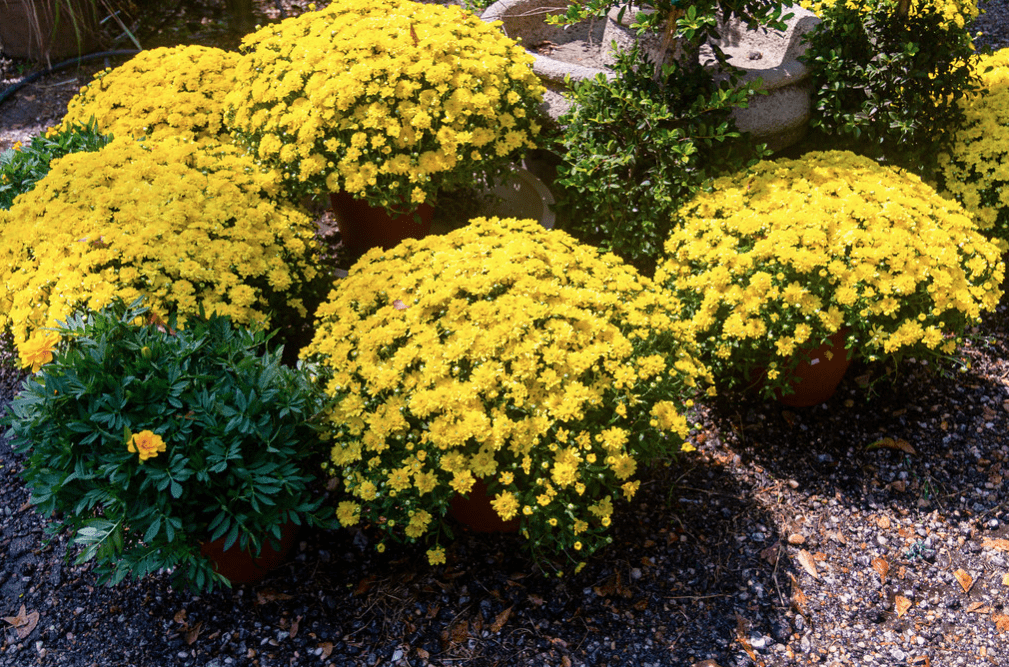
AUBURN UNIVERSITY, Ala. — Every autumn, front porches and flower beds fill up with stunning fall florals that showcase the stunning colors of the season. With the right timing, tools and techniques, people can create a landscape that’s not only beautiful but also easy to maintain.
Dani Carroll, an Alabama Extension home horticulture agent with Auburn University, said now is the time to swap from the bright blooms of summer to the autumnal palettes of festive foliage.
“Over the next few weeks, the flower beds and potted plants will switch from summer to fall plants,” Carroll said. “You have so many options to plant this time of year. Asters, mums, pansies, ornamental cabbages and kale and violas are all great options for landscapes and porches.”
Plant Selection
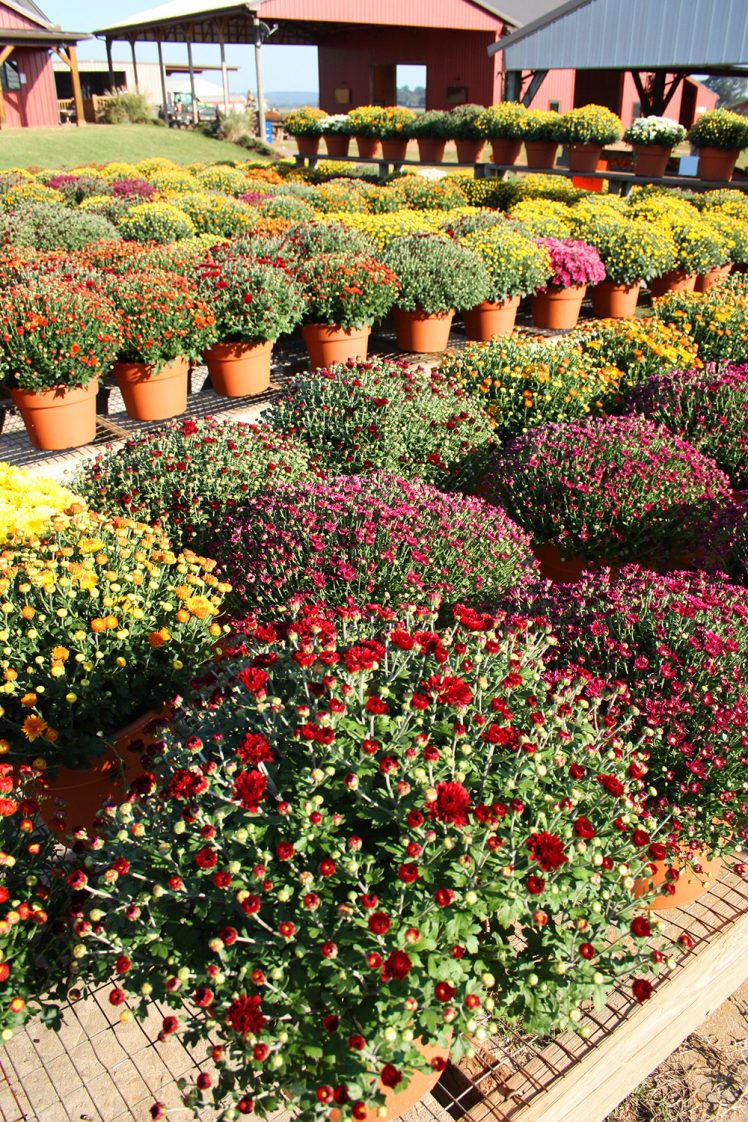
When purchasing plants, carefully inspect them for pests, injury and diseases.
When selecting fall plants, many factors play into the overall success. The U.S. Department of Agriculture’s Plant Hardiness Zone Map is a useful tool to help growers have the chance for the best outcomes. The map shows temperature ranges for each zone, which allows growers to make selections of ideal native plants for their area.
If planting from seed, the timing can vary, depending on the species. Some fall flower preparations even begin in late summer. For example, chrysanthemums (mums) need about 6 to 8 weeks to establish roots. However, a lot of fall plants are also available as transplants.
From big box stores to local garden centers, fall plants are everywhere right now, but careful selection is crucial to plant health and longevity. Carroll urges people to be highly selective when shopping for plants, not just in fall but year-round. She recommends inspecting plants carefully before making a purchase.
“Take a good look at each plant before you buy it,” Carroll said. “Specifically, look for pests, injury and symptoms of diseases. Checking the roots for discoloration and the foliage for damage or other issues is an easy way to make sure that you are getting the best plants available.”
Soil and Containers
Before planting both seeds and transplants, people need to have the right medium established to promote good plant health. Healthy soil and the right potting mix can make all the difference, because it is where a plant absorbs the water and oxygen it needs and releases any excess water. Without a good medium, both in-ground and potted plants are more susceptible to issues like root rot, fungi and bacteria growth. Also, healthy, well-draining soils affect not only plant appearance but also encourage strong growth.
“Use a high-quality potting mix,” Carroll said. “It is very easy to grab a bag that is supposed to be for the ground instead of for your potted plant. You need the potting mix so it will drain more consistently, because once the plant has dried completely, it’s hard to recreate that consistent moisture.”
While planting a flower bed or garden may seem like a breeze to some, others may want to only tackle potted plants. Even without a green thumb, fall container plants can feel more approachable to try. They are simple to maintain and do not take up much room on a patio or porch.
To help container plants thrive, start with a well-draining pot. It is the foundation for healthy roots. Also, choosing the right size and structure for each plant ensures that there is room for plants to grow and mature. A good rule of thumb is to choose a container that is 1 or 2 inches larger than the plant’s current pot. There are many container options, such as terra-cotta, clay or ceramic. If weight or cost is a concern, plastic and composite pots are suitable as long as they have openings in the bottom for proper drainage.
Plants for Fall
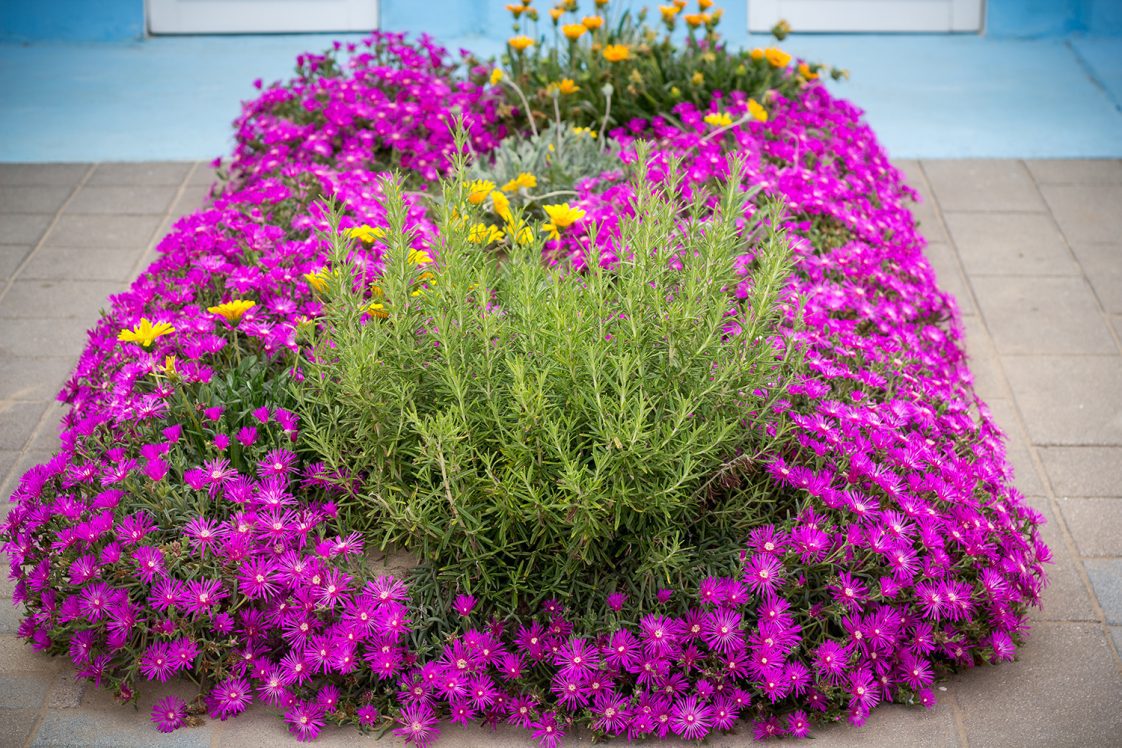
Asters are excellent perennials for borders.
With many beautiful options, plant species selection varies for everyone. Frequently celebrated as the quintessential queen of fall flowers, mums are a staple in seasonal landscapes. However, Carroll said asters are her top selection for easy care and surprising colors.
“The aster is my favorite because of the color range and way that they sprawl out,” Carroll said. “You can use them so many ways in flower beds or even as potted plants. Being perennials and part of the daisy family, they are not difficult to grow and are resilient to our shifting fall climate.”
In addition to mums and asters, Carroll said two options that are good for fall flowerpots are ornamental cabbage and kale. When crafting fall displays, these plants stand out as a complement to any autumnal display. Elevating a color scheme, the dark-green foliage tinged in shades of purple makes these plants resemble a flower. They are also an attractive backdrop for orange, white and even heritage pumpkins.
More Information
With the right plants, pots and preparation, seasonal landscapes can be easy, no matter the experience level. With resources and expertise from Alabama Extension agents like Carroll, people can make their fall florals look good all season long. For more information on creating beautiful landscapes, tune into the “Get Outside with Alabama Smart Yards” webinar series the second and fourth Wednesday of each month. Register for upcoming sessions at aces.edu/go/asywebinars.