
Lawn & Garden

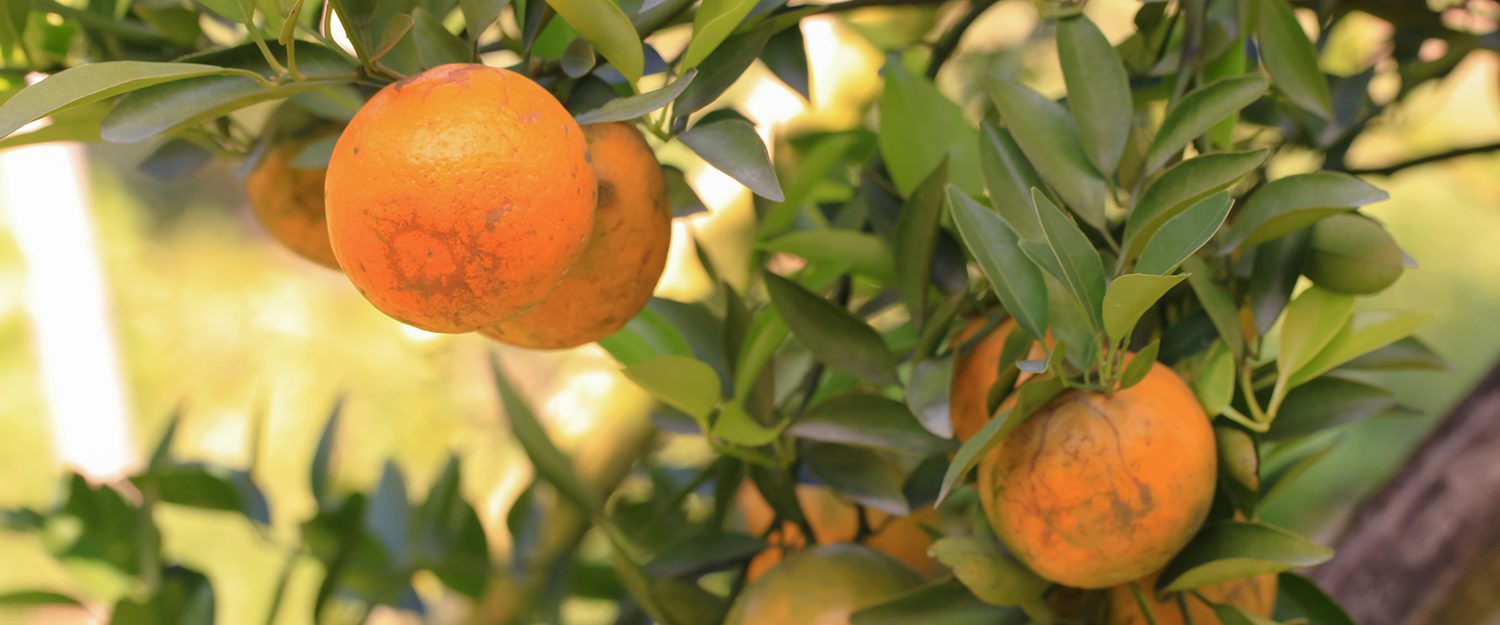
Pruning citrus trees involves removing dead, damaged, crowded, or unproductive branches so trees can put energy into healthy growth and good fruit. Done correctly, pruning improves light and air movement, helps keep fruit off the ground, and makes spraying, fertilizing, mowing, and harvesting much easier. Use this guide to learn how to prune a citrus tree to grow abundant, healthy fruit.
For most home landscapes, pruning citrus trees involves removing dead or damaged wood, trimming branches that rub or touch one another, and cleaning up vigorous shoots that are growing in the wrong place. Citrus is not something you usually shear or force into a shape like an ornamental shrub. Cutting large portions can trigger excessive leafy regrowth; thus only branches that impede growth are removed.
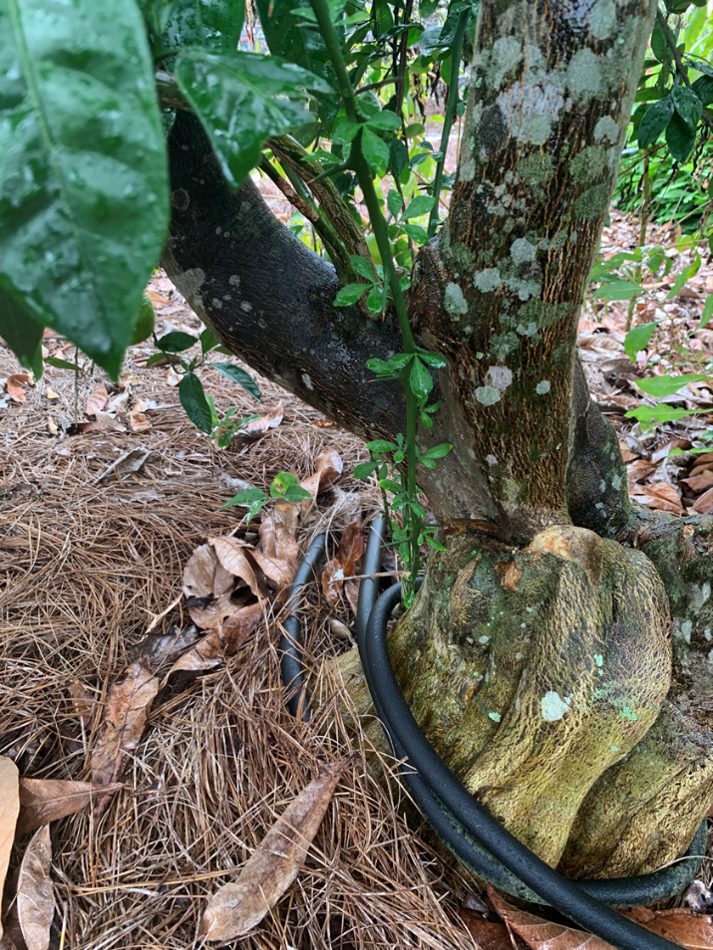
Figure 1. Graft union with trifoliate orange suckers originating from below the graft on an older tree; these must be removed. The graft union will become swollen on older trees like the one pictured; this is normal.
Most backyard citrus trees are grafted. The top (the variety you want, called the scion) is joined to a different root system (the rootstock). Rootstocks are selected for traits such as stress tolerance and adaptation to local conditions. From a pruning standpoint, the key is simple: know where the graft union is and remove any shoots that originate below it (figure 1).
Citrus shoots also exhibit apical dominance. The tips (growing points) tend to suppress the growth of lower lateral shoots. If you remove a tip, the limb often responds by growing new shoots below the cut. That can be useful in small amounts, but it is why heavy pruning can create a flush of unwanted vigorous regrowth.
In south Alabama, the most commonly grown citrus is the satsuma mandarin. Satsumas naturally have a slight weeping (drooping) habit, especially once they begin to bear fruit. Take this into account when removing lower limbs.
Why Prune Citrus?
Most pruning decisions come back to three factors: improving tree health, making the tree easier to manage, and helping the tree produce better fruit. If pruning will not improve these areas, the cut is not needed. Here are the most common homeowner benefits of pruning citrus:
Tree health. Dead, dying, and diseased wood is not helping the tree. Removing it reduces places where pests and other organisms can accumulate. It also prevents breakage that may tear bark and create bigger wounds later.
Light and air. Dense canopies hold humidity and shade out the interior. Opening the canopy helps leaves dry faster after rain and lets more sunlight reach the fruiting wood. This also reduces the habitat for plant pathogens and insects.
Fruit quality. Sunlight is a big driver of flavor and sugar development. When fruit sits in deep shade, quality often suffers. Better light distribution also supports more fruiting throughout the canopy.
Size control. If you cannot reach it, you cannot manage it. Keeping height and spread reasonable makes harvest safe and makes it easier to scout for pests, apply sprays, and protect trees during freezes.
Sanitation and ease of care. Limbs that hang close to the ground lead to fruit touching the ground, which increases rot and pest issues. Raising the canopy also makes mowing, mulching, irrigating, and fertilizing under the tree more consistent. Plus, food that has come into contact with the ground must not be eaten, as it may harbor various pathogens that cause illness, such as E. coli.
Safety and access. Clearing limbs near walkways/driveways and opening sight lines reduces hazards. A healthier canopy structure also handles wind better than a tangled, overly dense canopy.
Rootstock control. Rootstock suckers grow fast and steal energy from the variety you planted. Remove them as soon as you see them, ideally while they are small enough to rub off or clip off cleanly.
What to Cut
Graft union. Look for a slight “step,” bulge, or change in bark texture on the lower trunk. Everything below that point is rootstock.
Rootstock suckers. These are shoots arising from below the graft union or from the roots. In south Alabama, many citrus trees are grafted onto trifoliate orange rootstock, which is easy to spot: it often has very stout thorns and leaves with three leaflets (a trifoliate leaf) instead of a single citrus leaf. If you see that trifoliate leaf pattern coming from low on the trunk or from the ground, remove it promptly (figure 1).
Water sprouts. These are fast-growing, upright shoots that arise from the scion wood (often after heavy pruning). They are usually vigorous and not very fruitful until they mature. They also shade out the rest of the canopy, potentially reducing fruit quantity and quality (figure 2).
-
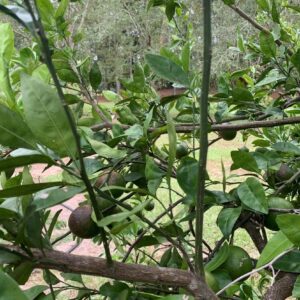
- Figure 2. Water sprouts grow straight up on bent or horizontal limbs. These sprouts typically form a secondary canopy that eventually shades out the rest of the fruiting canopy. They must be removed.
-
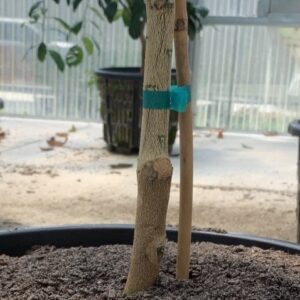
- Figure 3. Graft union on a young tree. Notice that the bark changes color and texture where the rootstock meets the scion.
-
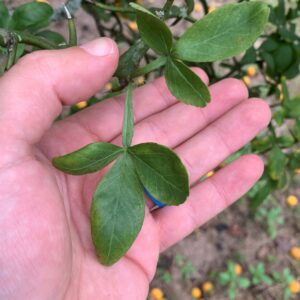
- Figure 4. Trifoliate orange rootstock leaf
When to Prune
For most homeowners in the Gulf Coast region, the safest and most useful pruning window is often March to April, after the last potential frost. At this point, the tree is about to enter active growth, cuts seal faster, and the chance that tender new leaves and stems will be hit by a late cold snap is reduced.
Caution: Avoid pruning in winter, and be cautious with late fall pruning. Citrus responds to cutting by trying to grow, and that tender growth is more likely to be injured by cold. If your tree is freeze-damaged, delay major pruning.
Safety and Tools
- Wear eye protection, gloves, and long sleeves.
- Use sharp tools: hand pruners for small twigs, loppers for medium limbs, and a pruning saw for larger limbs.
- Choose power tools (if using) that you can control safely. Be cautious with corded electric tools where cords can snag.
- Know before you cut. Step back, look for the branch collar (swollen area where a limb meets a trunk/branch), and plan the cut so bark does not tear.
- Consider keeping hand pruners nearby during the growing season for quick removal of broken or dead twigs.
How to Make Good Cuts
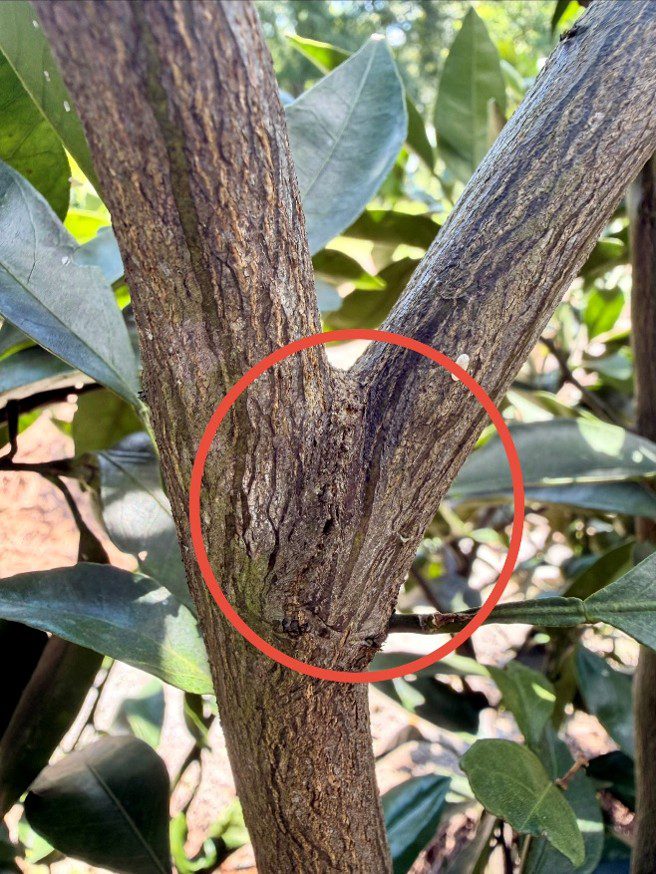
Figure 5. The branch collar is indicated by the red circle
Knowing where to cut is just as important as knowing what to cut. A clean cut in the right place closes faster and is less likely to lead to bark tearing or decay.
Cut just outside the branch collar. The collar is the slightly swollen area where a limb attaches. Do not cut flush with the trunk, but do not leave a long stub either. Make cuts about 1/2 inch away from the collar (figure 5).
Avoid bark tears on larger limbs. Use a simple three-cut method: an undercut, then a top cut to remove weight, then a final clean cut at the collar.
Sanitize tools when disease is suspected. If you are cutting out diseased wood, clean and sanitize blades between cuts (or at least between trees) to reduce spreading problems.
Do not paint cuts. In most home situations, wound paints or waxes are not necessary and can sometimes trap moisture, leading to rot.
Basic Types of Pruning Cuts
Thinning cut (preferred for citrus). Remove a shoot or limb back to where it originates. This opens the canopy without leaving a “stub,” and it usually creates a more natural-looking tree with less aggressive regrowth. Thinning cuts are recommended to improve airflow, reduce crowding, or take out a problem limb.
Heading cut (use sparingly). Shorten a shoot by cutting it partway back. This removes the shoot tip that was suppressing buds below it. Heading cuts often trigger multiple new shoots near the cut. That is why heavy heading can create a thick “broom” of water sprouts. If using heading cuts, keep them limited and purposeful (for example, when gradually reducing height and a thinning cut is not an option).
How Much to Prune
The more canopy that is removed, the more the tree responds with leafy (vegetative) regrowth, often at the expense of fruiting. As a general rule, remove only what is needed and avoid removing more than about 20 to 30 percent of the canopy at once. After heavier pruning, avoid overfertilizing. Pushing extra growth can increase the need for more pruning later.
Pruning Young Citrus Trees
Young citrus trees do not need much pruning. Focus on removing suckers, broken limbs, rubbing branches, and other obvious problems. Allow the tree to keep enough canopy to develop a strong tree architecture that supports fruit later on. Following are general rules to follow:
Years 1 and 2. Remove suckers and water sprouts (upright, fast-growing shoots) as they appear.
Years 3 to 5. Begin selecting three to five main scaffold branches that have wide crotch angles and are spaced evenly around the trunk. Ideally, these scaffolds begin around 24 inches aboveground. Continue removing dead, diseased, damaged, crossing, and inward-growing branches, and keep removing suckers and water sprouts. It is also important to remove fruit during the first three years of growth. Removing fruit when trees are young helps the tree develop a strong scaffold of branches that can support more fruit later.
Pruning Mature Citrus Trees
Work from the most obvious problems to the more optional cuts, and stop once the tree is open, manageable, and still has plenty of healthy canopy remaining. Use this pruning checklist:
- Remove suckers (especially any growth from below the graft union).
- Remove dead wood.
- Remove diseased wood (cut back to healthy tissue).
- Remove damaged and broken limbs from storms or equipment.
- Remove crossing/rubbing branches.
- Remove water sprouts (vigorous upright shoots).
- Remove downward-growing branches that allow fruit to touch the ground.
- Remove interior-growing branches that crowd the center and reduce airflow.
Skirting
Skirting removes low-hanging limbs so that the permanent canopy sits roughly 24 inches aboveground. This helps keep fruit and leaves off the ground and makes mowing, mulching, fertilizing, irrigation, and spray coverage easier around the tree. Benefits of skirting include the following:
- Improves airflow and reduces humidity near the ground
- Keeps limbs and fruit from contacting soil (better sanitation and less rot)
- Makes mowing and debris removal easier
- Assists in more uniform application of fertilizer, mulch, irrigation, and some sprays under the canopy
-
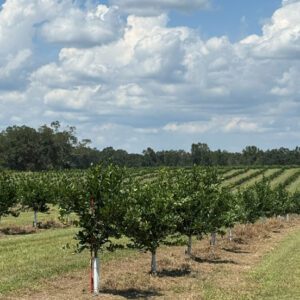
- Figure 6. Appropriately skirted trees in an orchard
-
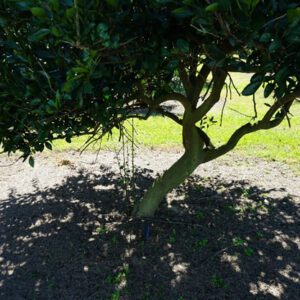
- Figure 7. Dappled sunlight seen through the canopy at midday
-
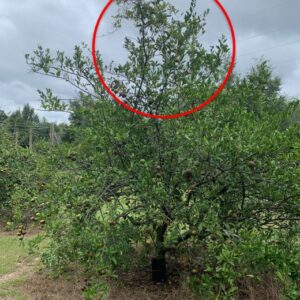
- Figure 8. The secondary canopy is located within the red circle
Canopy Thinning
- Thinning improves sunlight and air penetration. Sunlight helps fruit develop sugars and flavor, and better airflow can reduce some disease problems. When possible, remove crowded interior branches while they are still small—this preserves fruiting wood and avoids making large cuts later.
- Removing (or shortening) a small, crowded branch when a tree is young is easier on the tree than removing a large limb later. It also helps avoid large, sun-exposed gaps that can cause sunburn.
- How much thinning is enough? At midday, there should be dappled sunlight under the canopy rather than complete shade. Very shaded leaves contribute less to the tree and can become a cost rather than a benefit.
Reducing Tree Height
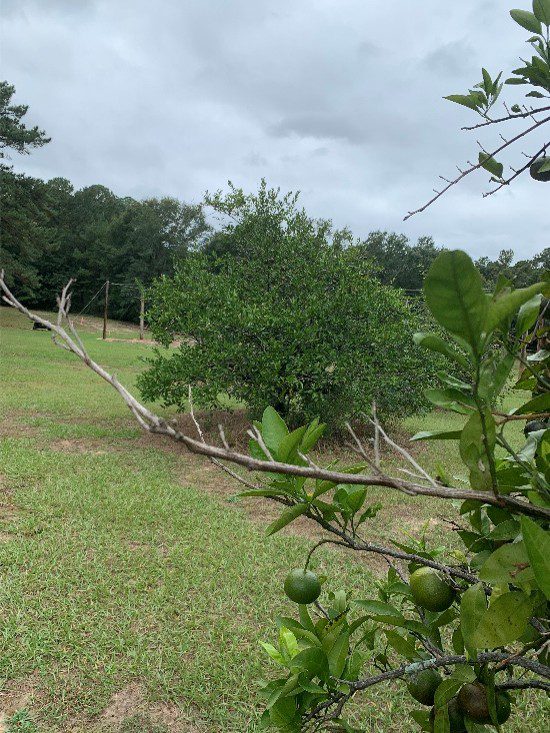
Figure 9. Damage after a freeze event. This dead shoot should be removed once it becomes clear it will not leaf out. The tips of the branches are the most vulnerable to freeze damage.
Height reduction can prevent the upper canopy from shading lower-fruiting wood and remove a secondary canopy (figure 8) that forms above the productive zone. Reduce tree height gradually and use thinning cuts whenever possible, cutting limbs back to their point of origin rather than topping the tree. Keep the overall canopy removal within the limits described in “How Much to Prune.”
Pruning After a Freeze
If the citrus tree has been injured by a freeze, be patient. Delay major pruning until summer to see what is truly damaged. Small twigs may show damage within days, but larger limbs can take months to reveal injury. Once new growth begins, consider protecting it with an appropriate fungicide program to help reduce disease on tender tissue (follow all label directions and consider local recommendations).
Common Pruning Mistakes to Avoid
Most pruning problems come from removing too much, cutting at the wrong time, or making poor cuts. When in doubt, prune less, make clean cuts, and focus on solving a specific problem rather than reshaping the whole tree.
Pruning is a science and an art. Most people are nervous the first time they prune a tree they care about. Start conservatively. Take care of the obvious issues first. Step back often to look at the whole canopy. Keep in mind, citrus is forgiving. The tree will grow back, and small annual touch-ups are better than big corrections.
For more help, contact your local Alabama Extension office.

Jacob Kelley, Extension Agent, Commercial Horticulture, and Jack LeCroy, Extension Agent, Home Horticulture, both with Auburn University
New October 2026, Citrus Tree Pruning Guide, ANR-3299
For more information, contact your county Extension office. Visit aces.edu/directory.
Trade and brand names used in this publication are given for information purposes only. No guarantee, endorsement, or discrimination among comparable products is intended or implied by the Alabama Cooperative Extension System.