
Lawn & Garden

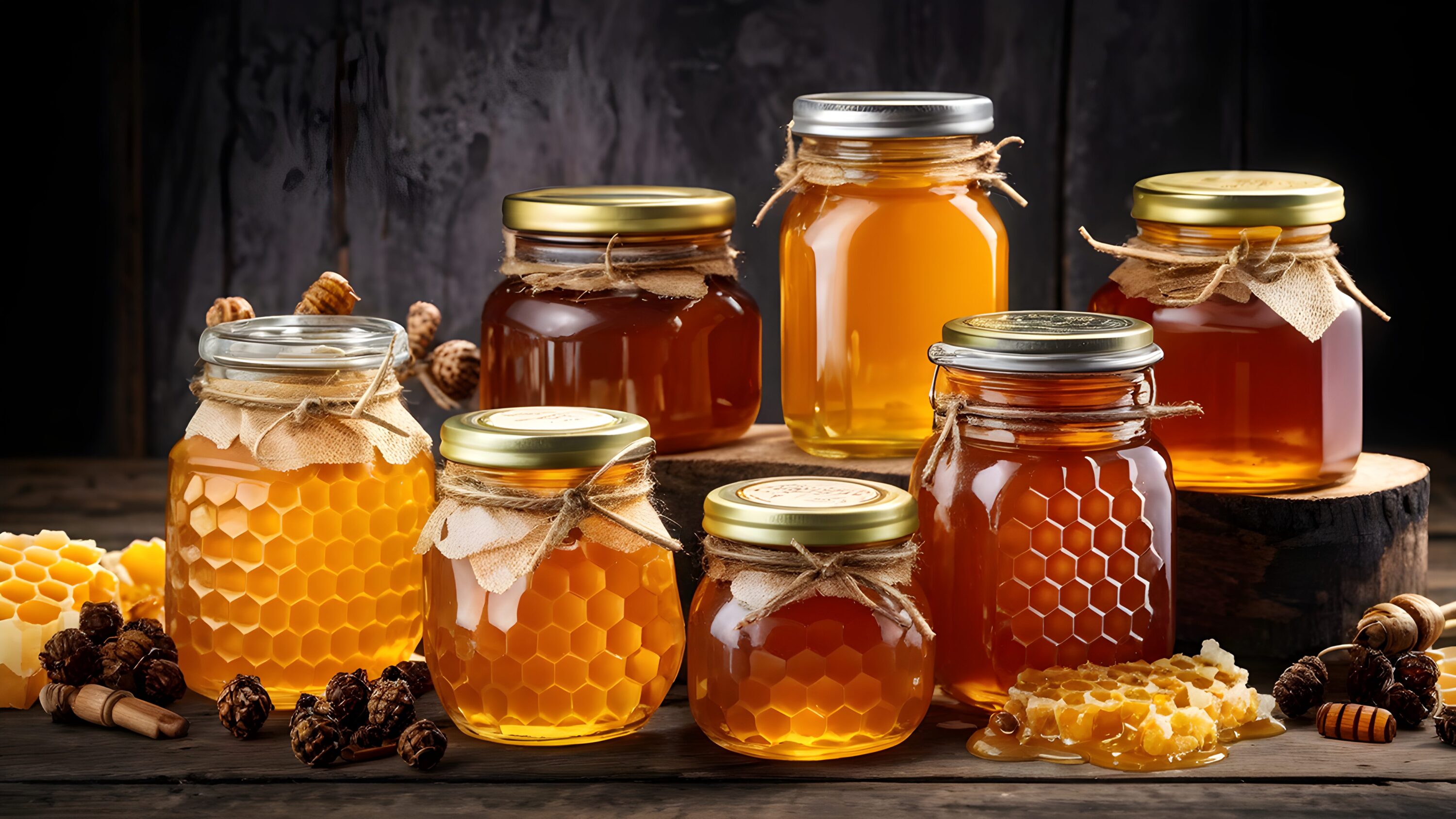
There are many sweeteners available to us, but the most interesting and diverse is honey. Honey is a product of honey bees and the only insect-derived natural sweetener widely available. Honey also comes in many flavors and textures, making it nature’s original sweetener.
Foraging for Food
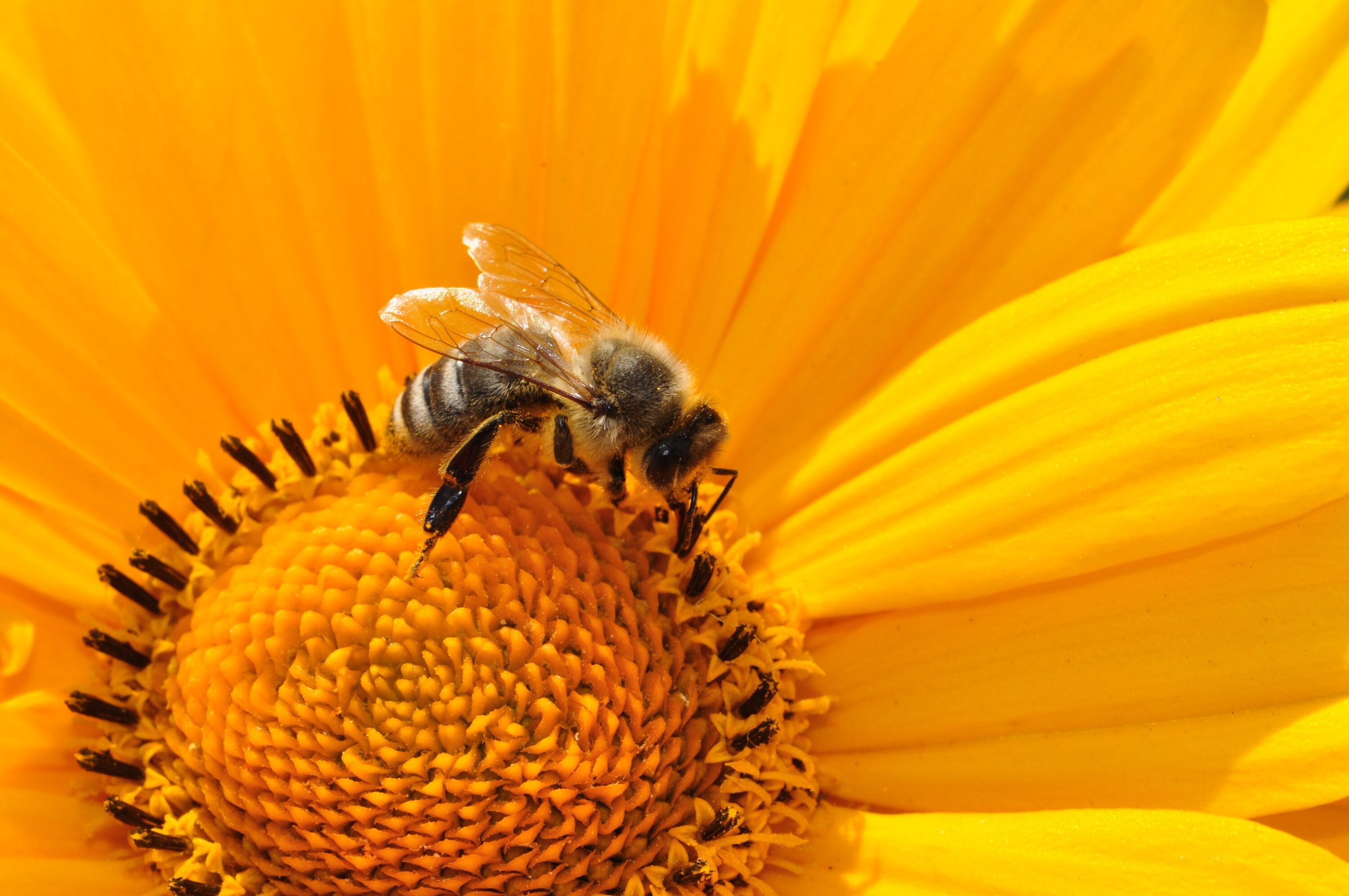
Honey bees rely on flowers for food. They work hard to gather food during the summer months, when flowers are abundant, and store it for use over the long, cold winter. The honey bee forager, a worker bee about halfway through her six-week lifespan, is responsible for gathering the food. All foragers are females. She leaves the hive during the day to search for nectar and pollen to bring back to the hive. The pollen is carried in pouches built into her back legs. The nectar, however, is stored internally.
Foragers drink in nectar through their proboscis, an elongated sucking appendage, and store it in their nectar crop. Once they return to the hive, the nectar is passed to a worker bee who then deposits it into an empty wax cell. When it is passed from bee to bee, enzymes from the bee are added to the nectar. It is these enzymes and nectar combined that are dehydrated to create honey.
Harvesting Honey
In mid-summer, beekeepers throughout Alabama harvest honey from their hives. A beekeeper will leave about 60 pounds of honey on each hive for the bees to use during winter, but anything more than those 60 pounds can be harvested, or extracted, from the hive. In late fall, beekeepers assess their hives again and may be able to harvest a bit more honey.
If you are looking for minimally processed honey, look no further than your local beekeeper. Honey produced locally by Alabama beekeepers has not been pasteurized. It is extracted from the hive, strained, and bottled. No additional processing is done. However, honey sold in grocery stores is pasteurized and may lack the subtle flavors found in local honey.
Flavor and Color
The flavor and color of local honey can change by region and season because bees forage from a range of diverse flowers. Honey gathered early in the season from flowers like clover generally has a bright flavor and is light in color. Honey produced from late summer flowers will have a stronger, bolder flavor and a darker color.
Beekeepers can use the varied flavors of nectar to their advantage to produce varietal honey, which is a type of honey made from the nectar of one specific plant species. Some common varietal honeys in Alabama include clover, tupelo, cotton, palmetto, sourwood, and orange blossom. These varietal honeys have a very short season and are more difficult to produce than a normal honey crop. They also sell for a higher price.
Buying Local
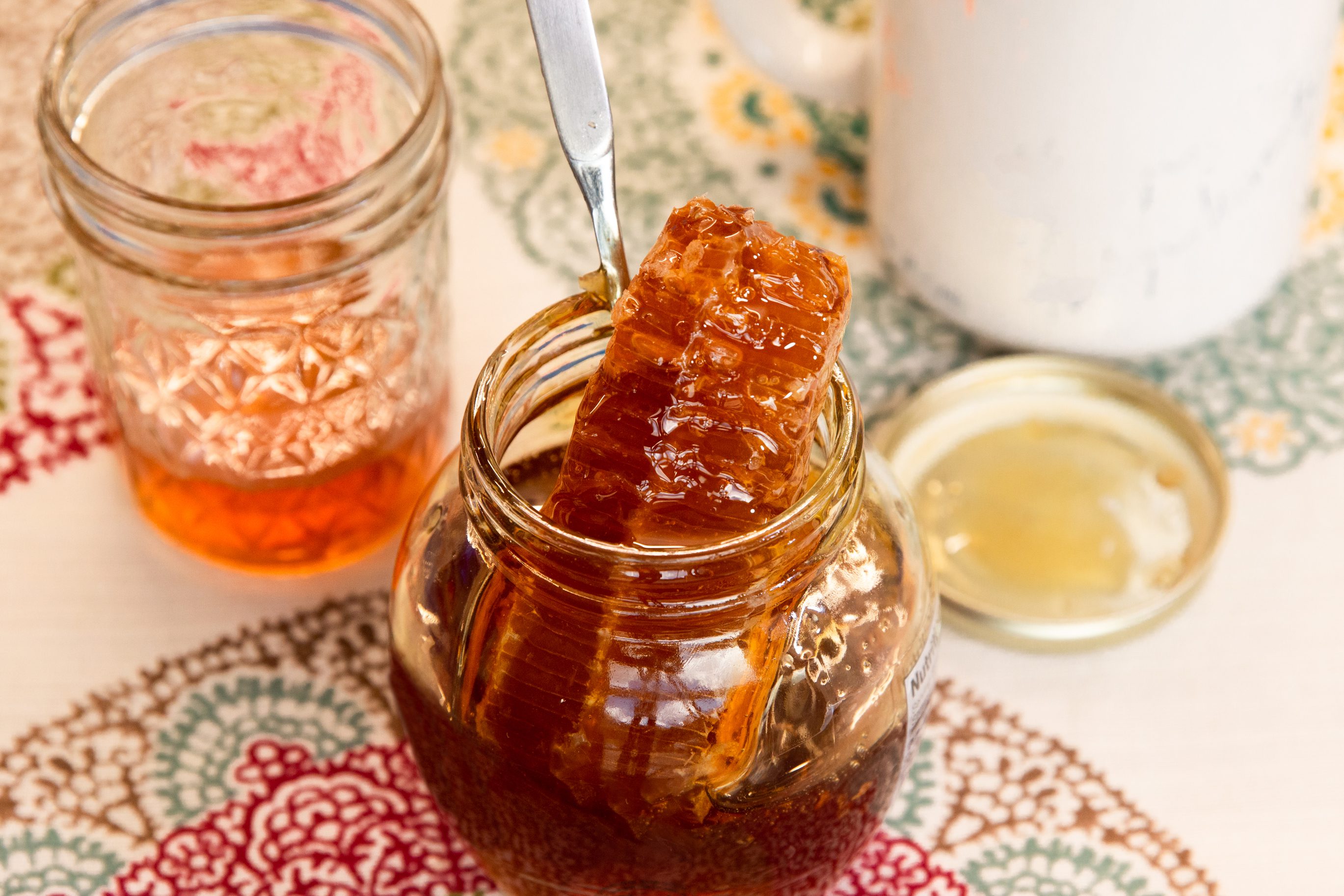
When buying local honey, you may also see honey with the comb added to the jar. Comb honey is a novelty that many people enjoy and are willing to pay extra for. Beekeepers generally prefer to reuse their comb from year to year, so it is much less common to find comb honey for sale. Some beekeepers also produce creamed honey. This honey, also called whipped honey, has no added ingredients but has been intentionally crystallized. The process produces very small crystals that create a smooth, spreadable texture, which is shelf-stable for storage.
Take the time this summer to meet beekeepers in your local area. Local beekeepers can help you understand the products you are buying and what floral sources they originate from. There is a world of sweetness just waiting for you to explore!