
Landscaping

With warm weather comes a desire for more tropical plants around patios and pools. Local gardeners have long loved the tropical hibiscus, Hibiscus rosa-sinensis, seen commonly in southern and central Florida landscapes.
These evergreen shrubs with dark, glossy leaves and large, striking flowers in shades of red, gold, orange, yellow, pink, white, and blue are prevalent in pots and in the ground. But, as almost every winter reaffirms, the tropical hibiscus is not reliably hardy when planted in the ground in the United States Department of Agriculture Plant Hardiness Zones 8 and 9.
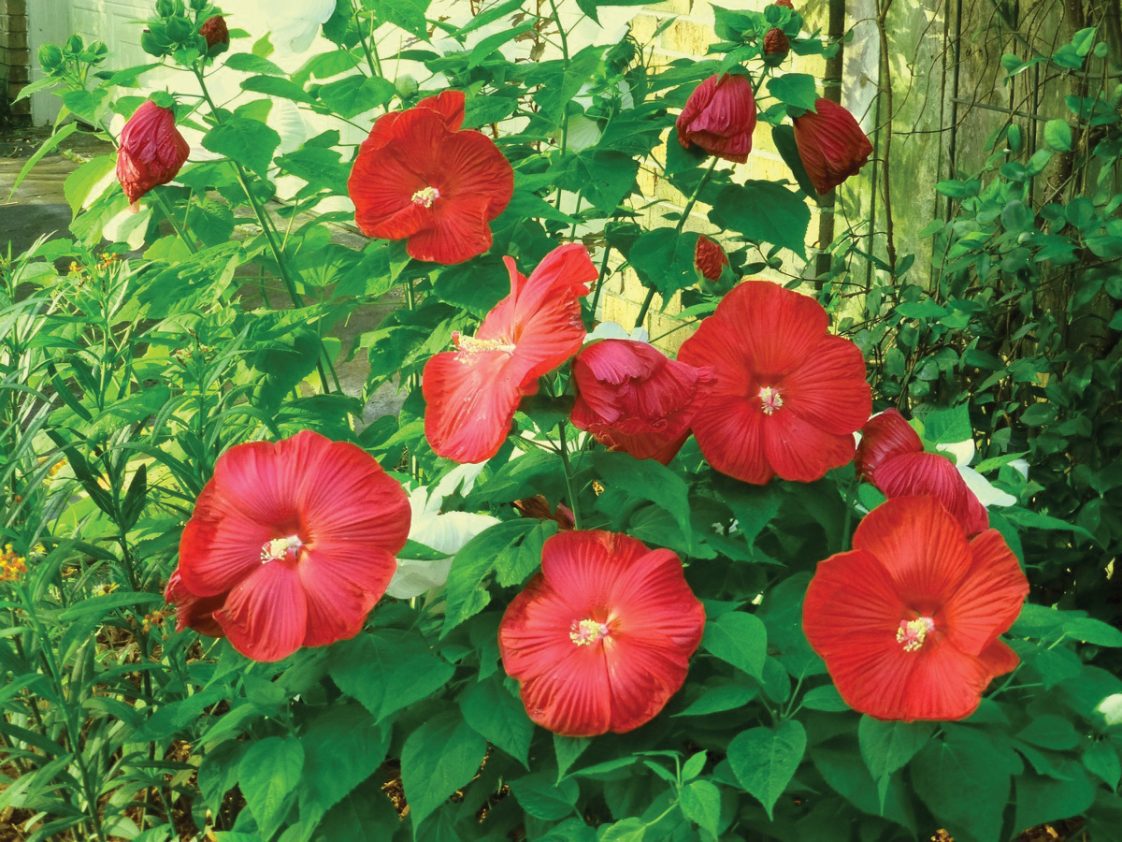
Figure 1. ‘Dixie Belle’ grown from seed.
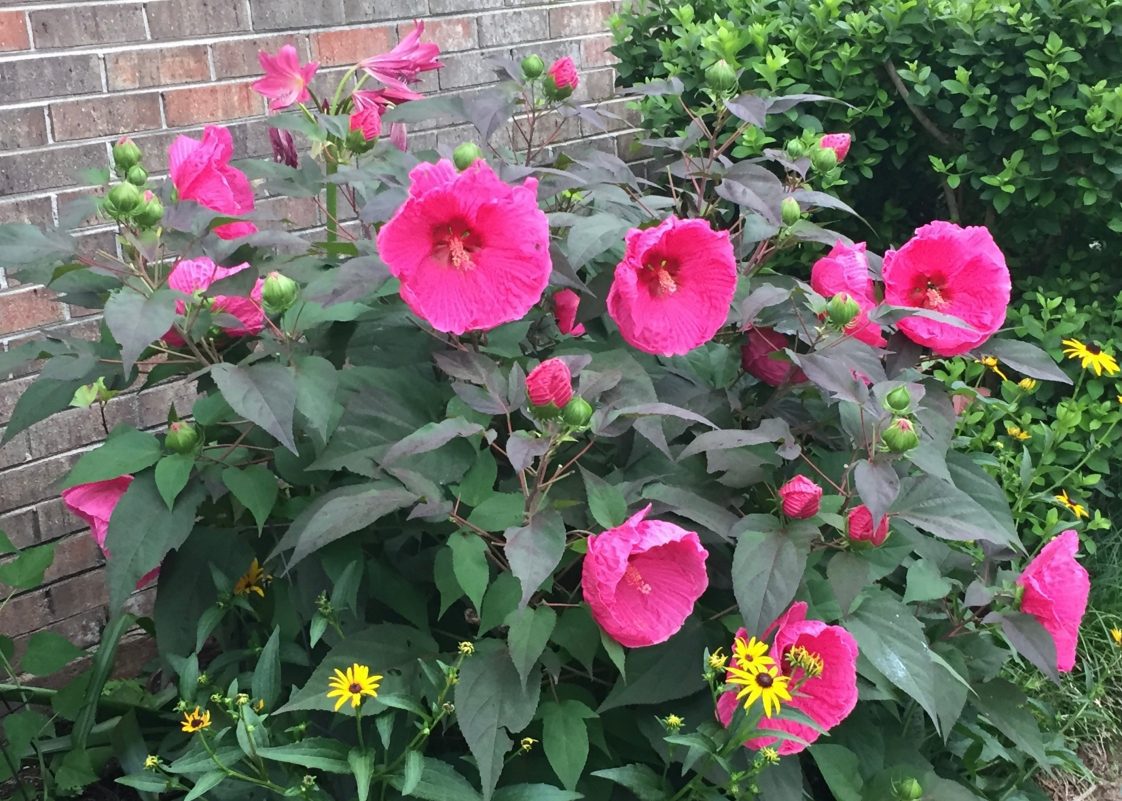
Unlike their tropical counterparts, hardy hibiscus, botanically known as Hibiscus moscheutos, is more cold hardy, vigorous, and long-lasting. They are fast-growing plants up to 8 feet tall and 4 to 6 feet wide and close relatives of the tropical hibiscus, but they have much larger flowers. The blooms, measuring 6 to 12 inches across, are impressive. Your neighbors’ heads will turn when they see these giant flowers. The hardy hibiscus plants are magnets for hummingbirds, butterflies, and bees, so much so that the rose-mallow bee (Ptilothrix bombiformis) uses the blossom during courtship. For more information on the rose-mallow bee, visit the United States Forest Service website.
These plants are native to marshy areas of North America. Being herbaceous perennials, they lose their leaves, and the branches die back with the coming of winter. Then, the plants resprout from the ground the following spring. They are root hardy to Zone 4 with some protection.
For years, the only hardy hibiscus colors available were white, pink, and red, but over the last two decades, plant breeders have provided new colors and combinations. Mauve, hot pink, and purple combinations with ruffled edges and overlapping petals can now be found. Hardy hibiscus flowers, though tough, look delicate, resembling crinkly crepe paper. The new hybrid varieties show off bright green to burgundy and almost black foliage. In 2018, ‘Summer Carnival,’ a dark magenta plant blossom with variegated foliage, was patented.
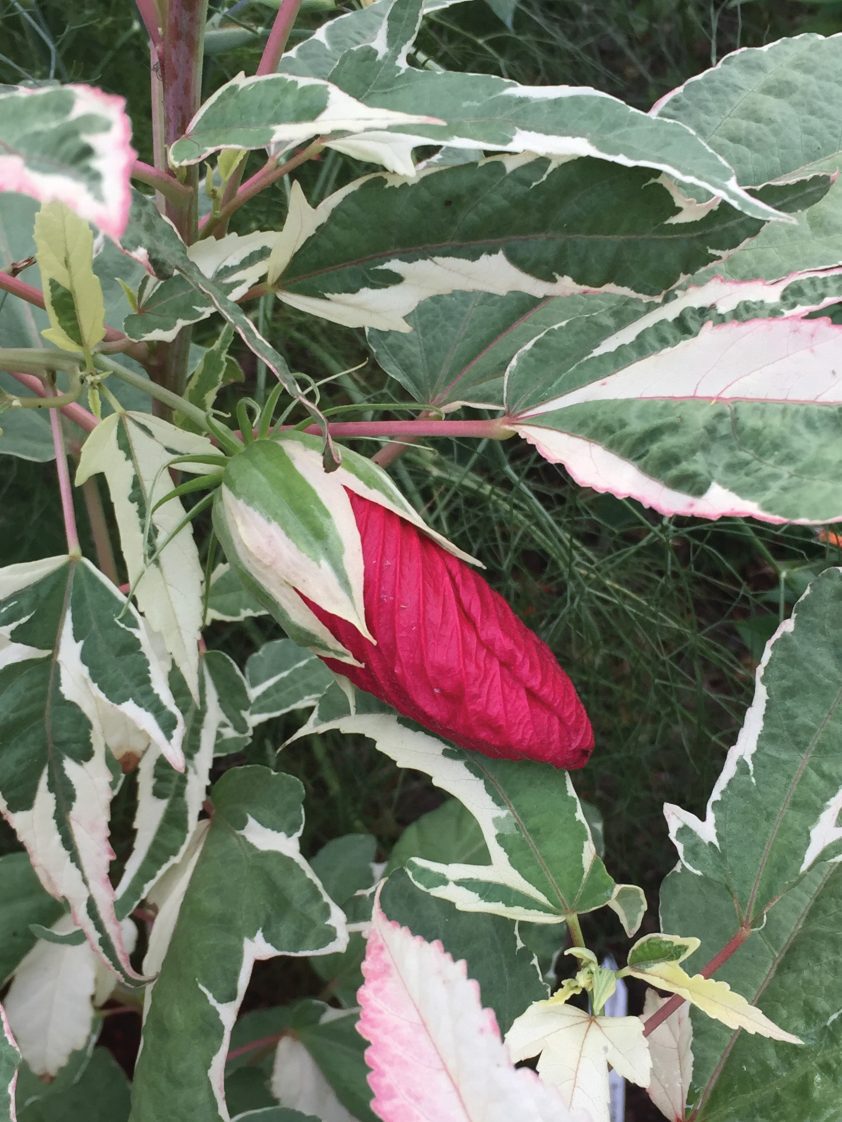
Figure 2. ‘Summer Carnival’ variegated hardy hibiscus.
Once considered too large for some gardens, many of the newer varieties have been scaled down. The two- to three-foot plants are ideal for large pots. Indeterminate is a term usually used to refer to tomatoes, but that trait has been bred into new hibiscus varieties, meaning more blooms from top to bottom of each stem, not just at the tips.
Spring is the best time for planting, but hardy hibiscus plants can be challenging to find at your local garden center. Growers time the plants to be small yet close to being in bloom before shipping to stores. Once the blooms open, they sell out quickly. Plants are easily propagated by cuttings or started from seeds. Online sites sell seeds, plants, and bare roots. Internet hardy hibiscus groups can be an excellent source to educate first-time buyers before their purchase.
A hibiscus needs a minimum of six hours of sun each day. It can be in afternoon sun if it receives supplemental water the first year. Remember, they were marsh plants at one time, yet a well-draining area works best. They can tolerate dry or moist conditions after being in the ground for a season or two. Most soil types fit their needs with added moisture and a water-soluble fertilizer. Of course, improving the planting site with aged compost and aged manure will ensure better growth and more blossoms.
Hibiscus work well planted as specimens or interplanted with perennials. Staking should only be needed for the first year. To encourage better branching, pinch them back lightly early in the growing season. When the sprout has at least four to six leaves, remove the growth above the leaves. More branches sprouting equals more flowers later in the summer.
Hardy hibiscus growers are split about fall or spring to cut back the old stalks. The plants seem to flourish no matter when you tidy up the garden. An important thing to remember: Hardy hibiscus is very late to emerge in the spring. Plants may emerge from March to mid-May. Be patient! They make up for their late start with rapid growth and should bloom from May through October.
The two major insect pests of hardy hibiscus are the caterpillar-like larva of the hibiscus sawfly, (Atomacera decepta) and the bud destroying hibiscus gall midge (Contarinia maculipennis). You will notice some holes in the leaves when sawflies are at work. They are usually found on the bottom side of the leaves. Several of these green larvae often feed on the same leaf or plant and can quickly defoliate the entire plant.
-

- Figure 3. Hibiscus sawfly larvae and damage.
-
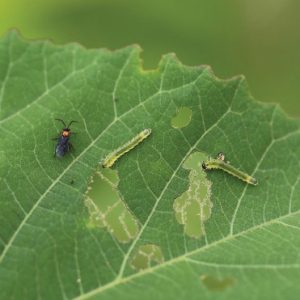
- Figure 4. Hibiscus sawflies, adult (left) and larvae (right). (Photo credit: John Olive, Auburn University, Bugwood.org)
The least time-consuming way of eliminating the sawfly larvae is by picking them off. Insecticidal soap or Neem oil can be successful as a spray, but sawfly eggs hatch daily, and the spray must come in direct contact with the pest. So daily applications are needed. The larvae are not true caterpillars, making Bacillus thuringiensis (Bt ) ineffective.
The gall midge (Contarinia maculipennis) lays its eggs in the tips of flower buds. When the eggs hatch, tiny wormlike larvae damage the inside of the young bud, causing it to yellow and fall to the ground. The larvae then leave the bud and enter the ground to pupate, reappearing as adult flies in about 3 weeks. Remove and destroy buds that are turning yellow on the plant and any buds on the ground. Growers successfully combat the midge by using products containing Imidacloprid or Spinosad, which are applied as systemic treatments. This application is a better choice in summer months when spraying may not be an option. Always follow the label directions before mixing to ensure safe and effective use.
-
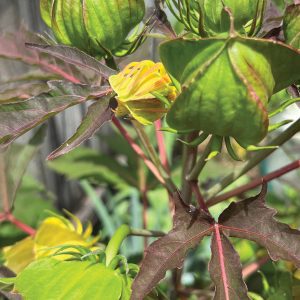
- Figure 5. Yellowing buds from gall midge.
-
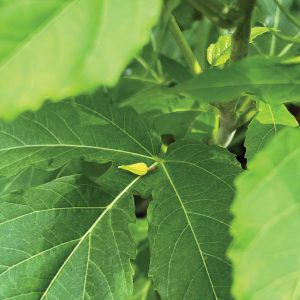
- Figure 6. Hibiscus bud midge bud drop.
Leaf spots caused by Cladosporium, Cercospora, Phyllosticta, and other fungi sometimes occur. These problems generally do not show up until later in the season and are usually caused by poor airflow around plants or overhead watering. To control leaf spots, remove all affected leaves and stems to prevent spreading. Neem oil or insecticidal soap can be used as a spray, or choose a fungicide labeled specifically for hibiscus use. Follow label directions for safety and the best outcome. These fungi can remain in fallen leaves for up to 3 years. Keeping the area under and around plants clear of plant debris is imperative.
-
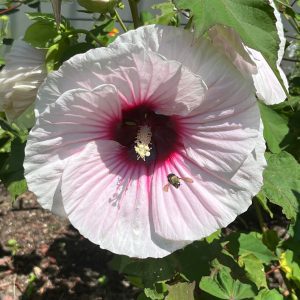
- Figure 7. ‘Angel eyes’.
-
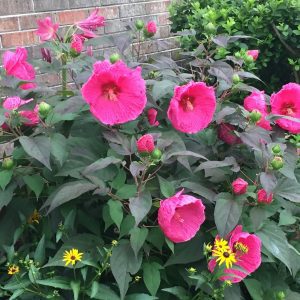
- Figure 8. ‘Head Over Heels Passion’.
-
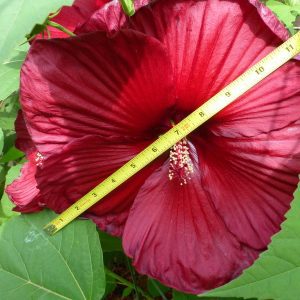
- Figure 9. ‘Heartthrob’.
 Alice Marty, Alabama Extension Master Gardener, and Jack LeCroy, Extension Agent, ACES-AFNR-Field, Auburn University
New July 2025, South Alabama Gardening: Adding Hardy Hibiscus to Your Landscape, ANR-3160