
Home

Common Fly Species In and Around Homes
3 min read
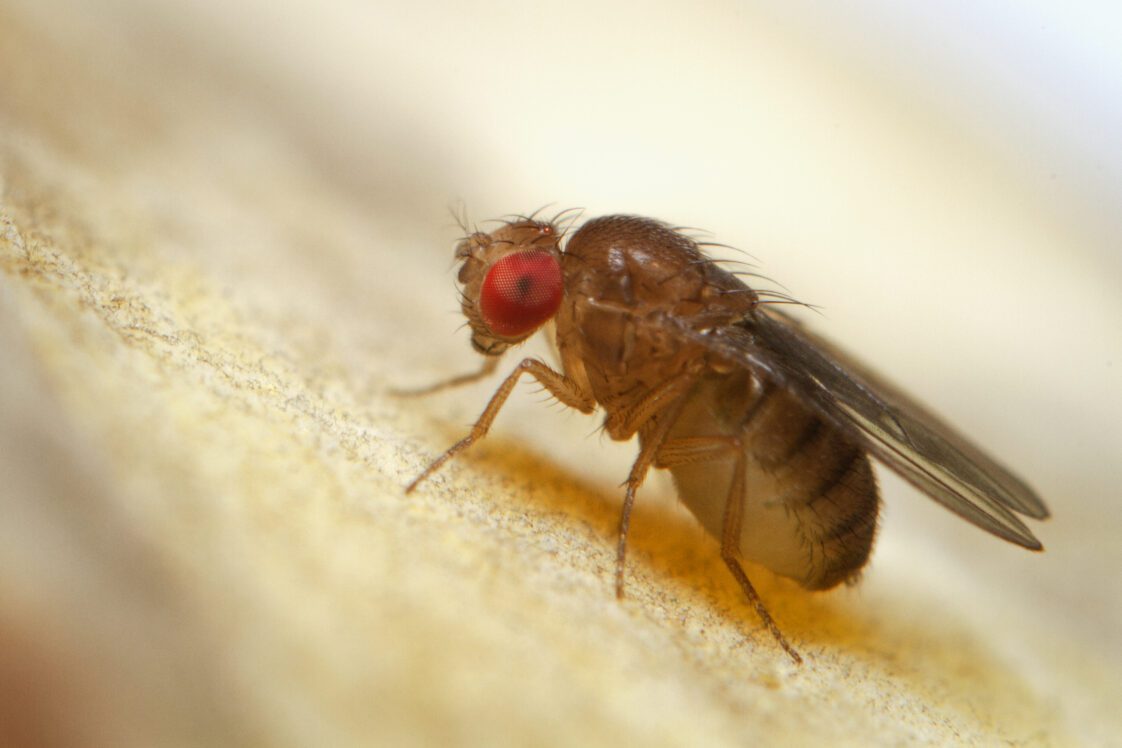
All flies are not created equal. Being able to identify the types of flies you see around your home can help in knowing how to control them.
Many species of flies exist in and around homes. Identification can be challenging as some species look very similar in coloration, body size, and overall shape. In addition, morphological traits vary significantly depending on the species, sex, and developmental status. This guide provides you names and characteristics of different types of flies and where they are commonly found.
- Fruit fly (Drosophila spp.). Small, about 1.5 to 3 mm long, with distinct red eyes. Commonly found near fermenting fruit or organic matter.
- Dark-eyed fruit fly (Drosophila replete). Small, about 3 to 4 mm long, with a black body and darkred eyes. Associated with damp, decomposing organic residues.
- Phorid fly (in the family Phoridae), also called “humpback,” “scuttle,” or “coffin” fly. Small, about 2 to 3 mm long. Like a fruit fly but with a brown to black body, sharp arched thorax, small head, and non-red eyes. A common pest in homes, known for erratic flight and association with decaying organic matter in drains, pipes, and vegetables.
- Mosquito. Small and slender, about 3 to 6 mm long with thin legs and elongated mouthparts extending from the head. Body sizes vary quite a bit depending on species, sex, and environment. Bites and is known for blood-feeding behavior and role as a disease vector.
- Fungus gnat (in the family Sciaridae or Mycetophilidae). Mosquito-like but much smaller, about 2 to 4 mm long, with a dark-colored body and long legs. Commonly associated with damp, organic-rich soil and decaying matter, especially where fungi grow. Do not bite. Typically an annoyance indoors and a severe pest of greenhouse crops.
- Moth fly (in the family Psychodidae), also known as “drain” fly. Small, about 1.5 to 5 mm, with two fuzzy wings and a body covered in fine hair. Flies poorly and is commonly found near sinks and damp areas, often resting on surfaces in the bathroom and kitchen. Mainly considered a nuisance rather than a health threat.
- Cheese skipper (Piophila casei). Small, about 4 to 5 mm long. Black with bronze-colored tints on the thorax and shimmering, transparent wings lying flat over the body. Associated with decaying meat or dairy products and famous for “skipping” movements when disturbed. An economic pest in the meat and cheese industry, but valuable in the forensic determination of “time since death.”
- Common house fly (Musca domestica). Medium-sized, about 6 to 7 mm long, and grayish, with four distinct dark longitudinal stripes on the thorax. The fourth wing vein curves sharply upward near the wing margin. Found in human-associated habitats with decaying organic matter. Attracted to sugar and many foul substances. Feeds on semiliquid materials in garbage, manure, uncovered foodstuffs, and various other organic matters. Annoying in homes and a health risk as a mechanical vector of diseases through contaminating food and surfaces.
- Stable fly (Stomoxys calcitrans). About 6 to 7 mm long. Looks like a house fly, with four black stripes on the thorax, but has a sharp, forward-protruding mouth beneath the head and is known for its painful bite. Feeds only on blood and primarily attacks warm-blooded animals. Will bite people in absence of animals. Causes economic loss to the livestock industry.
- Cluster fly (Pollenia spp.). Looks like a house fly but a little bigger, about 9 to 12 mm long, with golden-yellow hair. Sluggish flyer known for gathering in groups indoors during cooler months. A nuisance pest.
- Flesh fly (Sarcophaga spp.). Looks like a house fly but slightly larger, about 10 to 14 mm long, with three distinct dark stripes on the thorax and a gray-and-black checkerboard pattern on the abdomen. Often associated with decaying organic materials and carrion. Known as a mechanical vector of disease agents and is forensically vital for determining the developmental stage of animal remains.
- Blow fly (in the family Calliphoridae). Also named “blue” or “green” fly. Medium to large, about 8 to 12 mm long, with a robust, shiny metallic body and large eyes. Makes a loud, lowpitched buzzing sound. Often found near carrion fresh dropping or garbage. Plays a role in forensic entomology. Vectors pathogens and poses a health hazard to humans and livestock.
- Deer fly (Chrysops spp.). About 6 to 12 mm long and yellow to black in color, with wings displaying dark patches. Known for painful bites and presence near wooded areas or wetlands. A bloodsucker and pest of domestic and wild animals.
- Soldier fly (in the family Stratimyidae). About 15 to 20 mm long, black, and wasplike in appearance. A weak flyer and harmless, neither biting or stinging. Often found near compost or decaying vegetation. Multibeneficial as adult flies can be pollinators, and larvae can rapidly decompose organic waste and convert manure into feedstuff.
- Crane fly (Tipulidae). Large, about 15 to 25 mm long, and looks like a giant mosquito. Tan-colored and fragile, with long, thin legs and narrow wings. Does not bite but is often mistaken for an oversized mosquito. Found in moist environments, such as woodlands, streams, and floodplains. Part of the natural ecosystem as larvae (but not adults) feed on decomposing organic matter and sometimes on grass roots.
 Xing Ping Hu, Extension Specialist, Professor, Entomology and Plant Pathology, Auburn University
New December 2025, Common Fly Species In and Around Homes, ANR-3209