
Home & Family

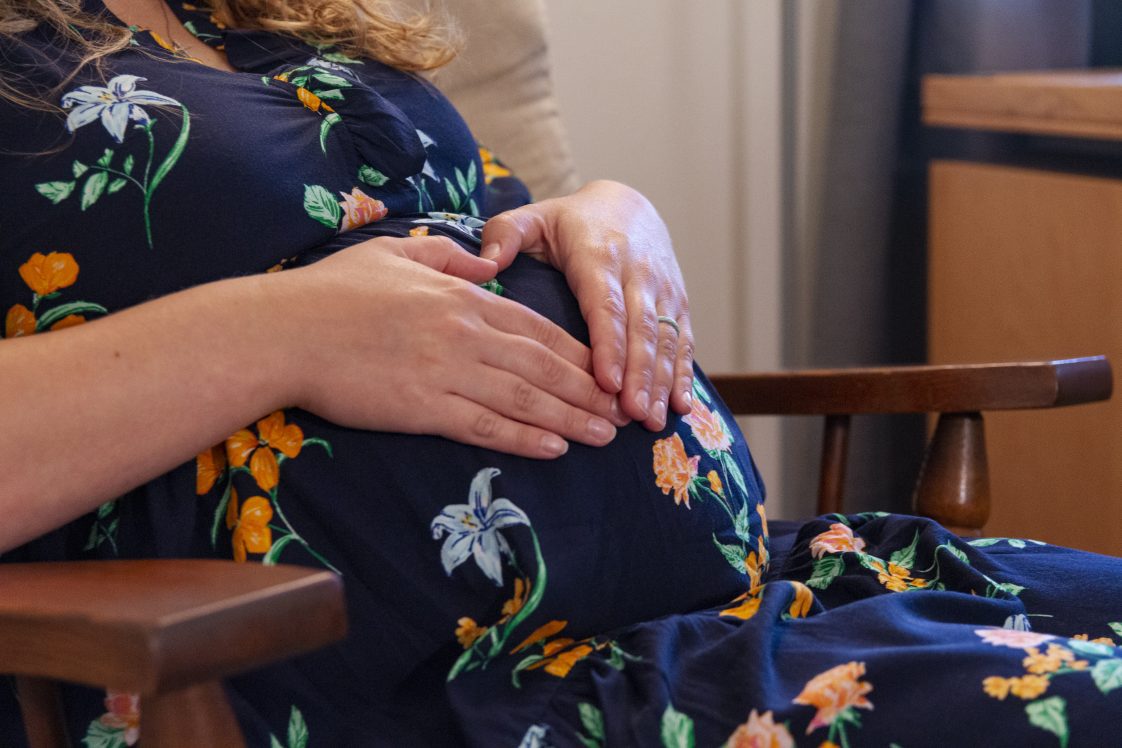
Good prenatal nutrition is important for mothers, as well as the development of the baby’s healthy progress. During pregnancy, a woman’s nutritional needs increase to support the growth and development of the fetus. Proper nutrition is crucial for a healthy pregnancy, reducing the risk of complications and promoting long-term health for both mother and baby.
Maintain a Balanced Diet
When pregnant, eating a balanced diet with key nutrients like folic acid, iron, and calcium is important. Folic acid is crucial early on as it helps prevent birth defects that affect the brain and spine. You can find folic acid in bananas, nuts, leafy greens vegetables like spinach and kale, citrus fruits like oranges and lemons, and legumes like lentils, kidney beans, black-eyed peas, and chickpeas. Many fortified cereals and breads also have added folic acid. Iron is another vital nutrient needed to make red blood cells that carry oxygen to you and your baby. Your body uses more iron to make more blood to supply oxygen to the baby. Not getting enough iron can lead to anemia, which is harmful you mom and baby. Good sources of iron include lean red meat, poultry (chicken), and fish, as well as plant-based sources like beans, lentils, tofu, and spinach. Combining iron and vitamin C-rich foods like bell peppers or citrus fruits helps your body absorb iron better. Also, calcium is essential during pregnancy as it supports the baby’s bone and teeth development. Good sources of calcium are dairy products such as milk, yogurt, and cheese, but if you prefer non-dairy sources, almonds and leafy greens like collard greens are good options to ensure you get enough calcium.
It’s crucial to maintain a well-balanced diet during pregnancy. This means including various foods from all food groups: fruits, vegetables, whole grains, protein sources, and dairy. These foods provide essential nutrients, including carbohydrates, proteins, fats, vitamins, and minerals, crucial for the health of both the mother and the baby. Don’t forget to stay hydrated by drinking plenty of water throughout the day. The Centers for Disease Control and Prevention (CDC) recommends taking a prenatal supplement that contains folic acid, iron, vitamin D, and iodine, as these are nutrients the body needs more of during pregnancy. According to the CDC, it is recommended that pregnant women take 400 micrograms of folic acid and 30 milligrams of iron daily. It is important to consult your healthcare provider to determine your pre-pregnancy nutrition needs, especially if you have any health conditions (Centers for Disease Control and Prevention. (n.d.).
Avoid Certain Foods
When pregnant, avoiding certain foods that can harm the baby is important. This includes raw or undercooked meats, unpasteurized dairy products, and certain types of fish high in mercury, like bigeye tuna, shark, and marlin. It’s crucial to be careful with these foods during pregnancy. Also, it’s best to limit caffeine intake to 200 mg/day, which is about two cups of coffee. Consuming too much caffeine during pregnancy has been linked to problems like miscarriage, stillbirth, low birth weight, and having an overweight or obese baby. It’s important to completely avoid alcohol during pregnancy because it increases the risk of miscarriage, premature birth, and low birth weight. It can also cause long-term problems for the baby, like fetal alcohol spectrum disorder (FASD).
In summary, good prenatal nutrition is foundational for a healthy pregnancy. By consuming a balanced diet rich in essential nutrients and avoiding harmful substances, expectant mothers can support their babies’ optimal growth and development, setting the stage for a healthy start to life.
Resources
- Centers for Disease Control and Prevention. (n.d.). Pregnancy. https://www.cdc.gov/pregnancy/index.html