
Home & Family

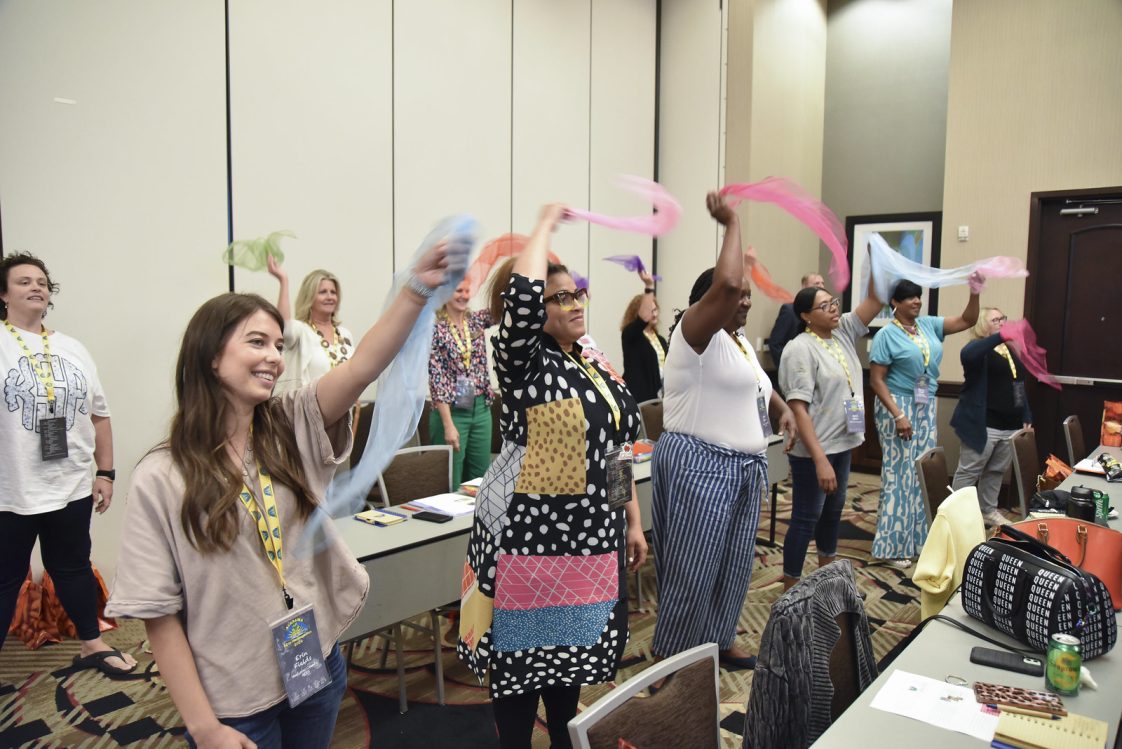
AUBURN UNIVERSITY, Ala. — Seven Supplemental Nutrition Assistance Program – Education (SNAP-Ed) educators recently took part in the 2024 Alabama Ag in the Classroom (AITC) Summer Institute. This three-day workshop is designed to help educators that teach kindergarten through sixth grade incorporate agriculture into their curriculum. Ginger Eatman and Torie Ennis, Alabama Cooperative Extension System regional agents, showcased ways to include brain breaks in lesson plans to enhance physical activity and learning.
Take a Brain Break
Brain breaks are short, three-to-five-minute movement activities that help children refocus and rest their minds. These activities fall into three categories: 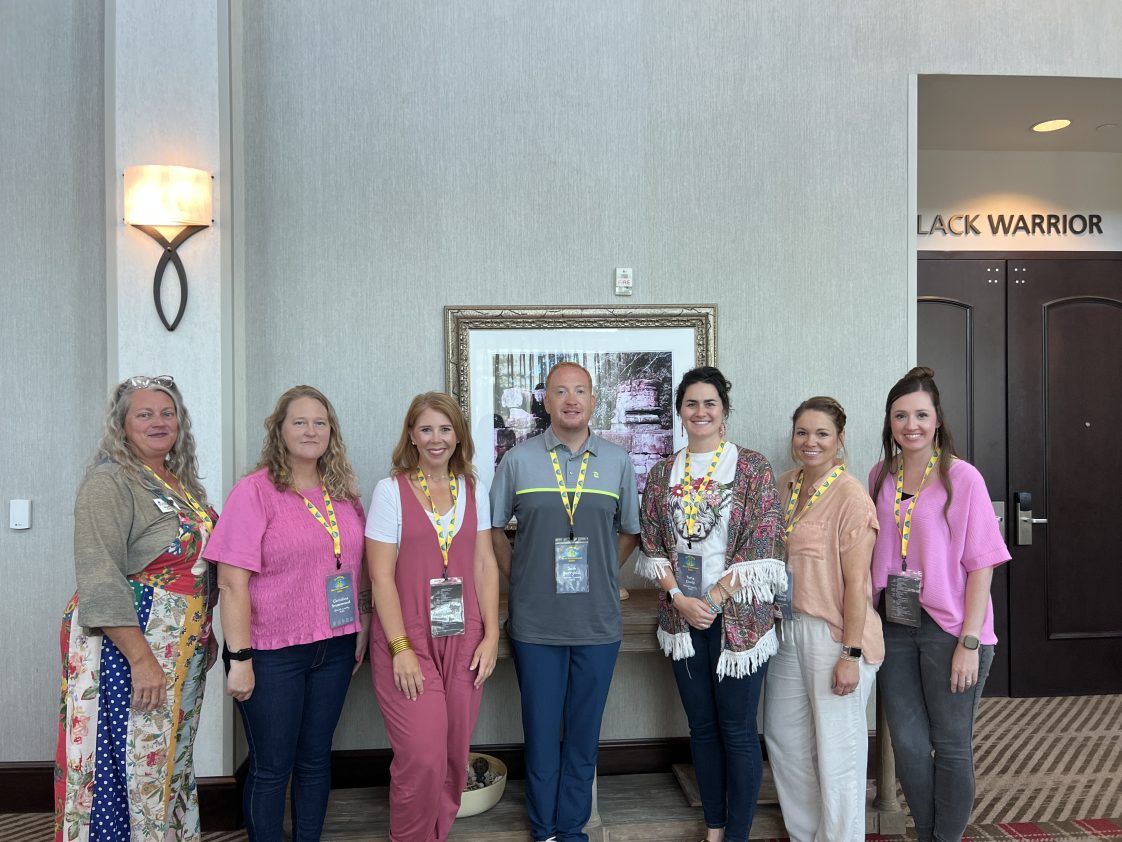
- Stretching and mindful movements to promote calmness
- Quick and fast movements to reenergize
- Planned movements integrated into lessons to promote learning
According to the Centers for Disease Control (CDC), physical activity improves mental alertness, academic performance and enthusiasm for learning. Children ages 6 to17 need at least 60 minutes of physical activity daily, as recommended by the Physical Guidelines for Americans. The Alabama State Department of Education requires at least 30 minutes of daily instructional physical education for students in grades kindergarten through sixth.
Eatman and Ennis aim for schools to adopt and maintain a comprehensive wellness plan. This plan includes policies (written rules), systems (ways of doing things) and environmental changes. Planned brain breaks are a Policy, System, and Environmental (PSE) change that helps bridge the gap between the required and recommended physical activity times.
Incorporating Brain Breaks in Classrooms
Each participating educator received more than $400 in agricultural books and 30 movement scarves, funded by the Alabama Farmers Federation. Eatman and Ennis 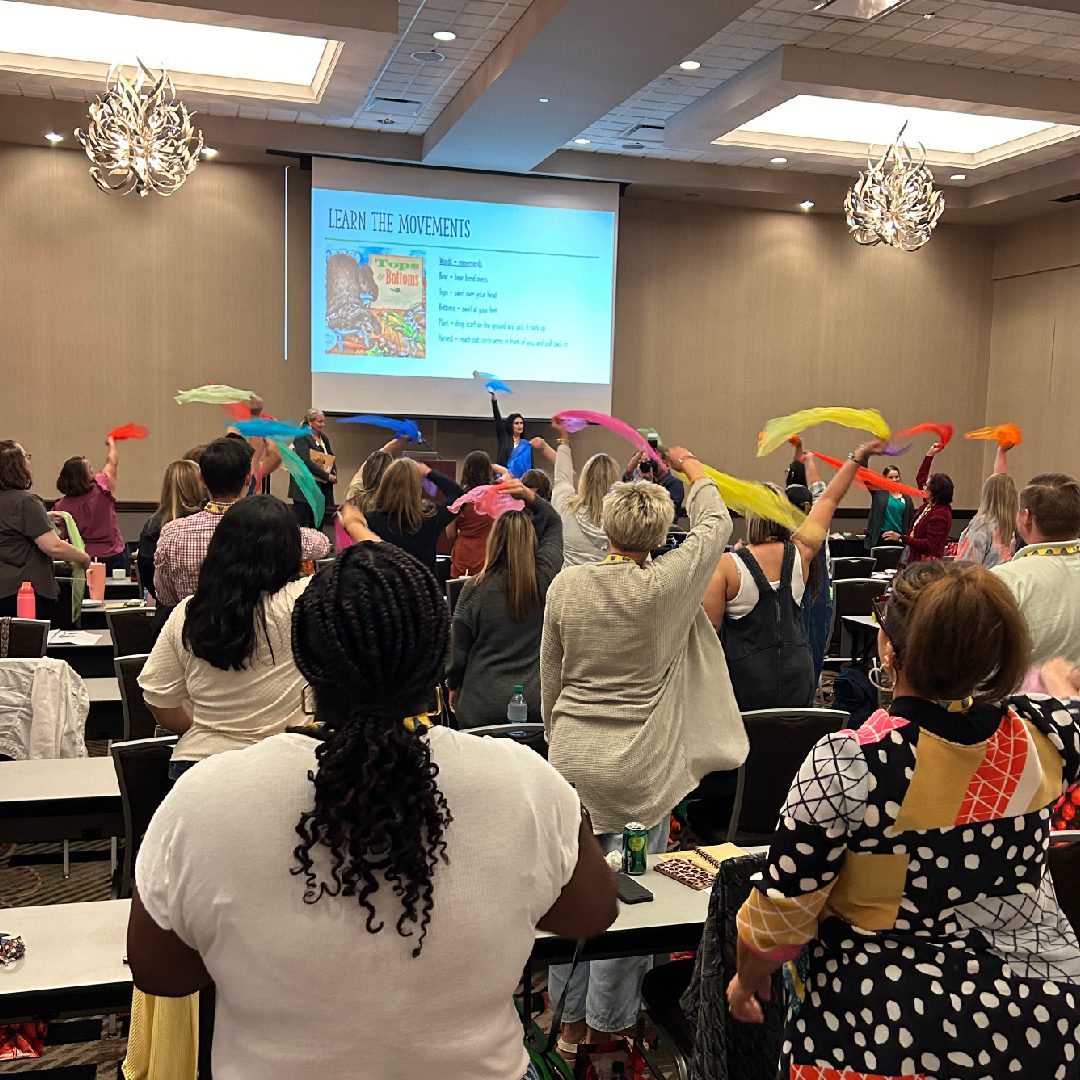 presented a lesson plan incorporating a brain break with the book “Tops and Bottoms” by Janet Stevens.
“’Tops and Bottoms’ is a book that already has an outlined lesson plan, provided by Ag in the Classroom,” Ennis said. “Our goal is to take existing resources and show educators how they can integrate brain breaks into those lesson plans to achieve the recommended amount of physical activity each day.”
Ennis said when teachers include brain breaks in lesson plans , it is easier to implement in the classroom.
Hands-On Learning
Eatman emphasized that hands-on learning — like the activities in brain breaks — enhances children’s understanding and retention of topics. Eatman also said using agriculture-related books can help spark ideas about sustainability and growing your own food.
“Kids are hearing about these important concepts while learning how to read and write,” Eatman said. “We always look for opportunities to give students and teachers the tools to succeed. It’s a win-win for everyone.”
In their presentation, Eatman and Ennis addressed common obstacles teachers face when trying to include more brain breaks. Solutions to the obstacles can include setting a classroom up to be activity friendly, laying ground rules at the beginning of the school year and letting the students have input.
Both agents emphasized the importance of a school’s wellness plan by sharing the CDC’s model for addressing health in schools called Whole School, Whole Community, Whole Child (WSCC). The WSCC calls for a greater alignment between public health and educators to improve a child’s cognitive, physical, social and emotional development. Learn more about this model by visiting the CDC website.
If you are unsure of your school’s wellness plan, the first step is to talk to the administration. Teaching resources can be found by visiting the AITC website.


More Information
To learn more about nutrition and physical activity, visit www.LiveWellAlabama.com. There, you can find valuable resources, practical advice and insights to support your wellness journey.