
Home & Family

AUBURN UNIVERSITY, Ala. — Heat is a significant concern when traveling. In fact, the National Weather Service reports that heat has surpassed both hurricanes and floods as the nation’s top weather-related hazard.
Silvia Vilches, an Alabama Cooperative Extension System child development specialist, said safely traveling in hot temperatures requires planning and awareness.
“Long journeys can be fun for families to take together,” Vilches said. “In order to protect children and families from the heat, it is important to think through possible safety scenarios and plan for snacks, breaks and other necessities.”
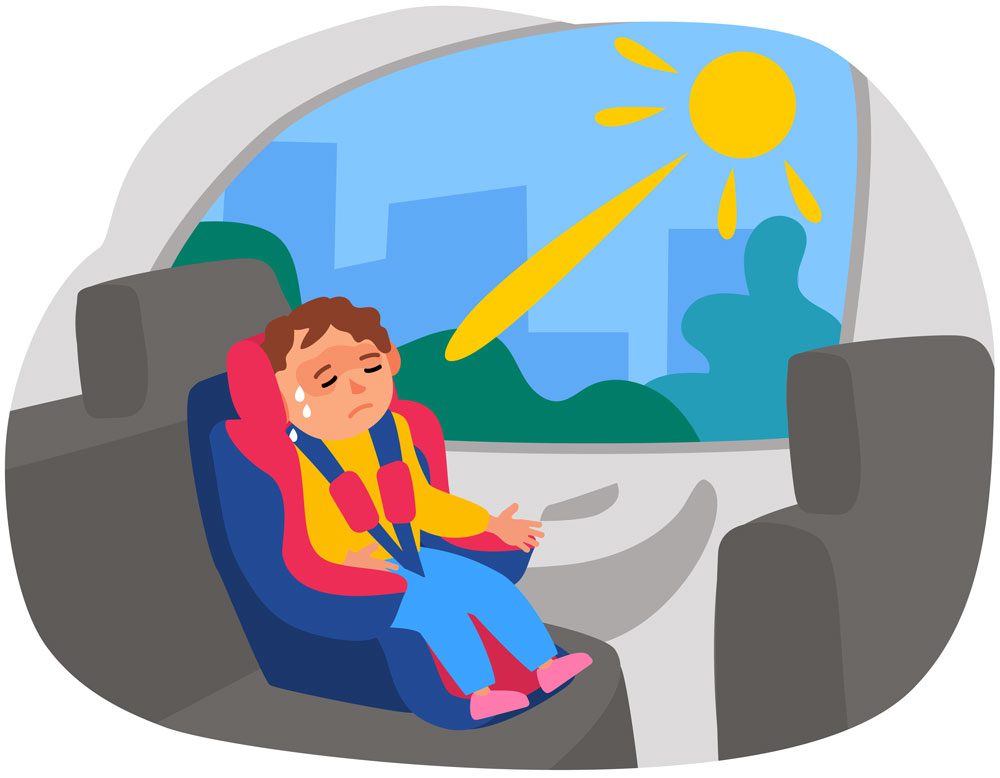 As families travel, it is important to watch for warning signs of children overheating. Age groups may exhibit different signs. For example, infants will not cry from overheating. They become limp, lethargic and soft to the touch. Toddlers, on the other hand, may cry and fuss when they become too hot. Preschoolers and older children will sweat and become uncomfortable. Vilches said they may be able to tell you they are too hot.
“Children should never be left in the car, especially in extreme heat,” Vilches said. “Almost 1,000 children die in sealed, hot cars in the U.S. each year. Temperatures can soar within 10 minutes, triggering a rapid rise in body temperature.”
Sun and Heat Protection
As with most family-related events, it takes planning and preparation to protect everyone in the car from the sun and heat on trips.
Believe it or not, sunburn prevention should start before hopping in the vehicle. Vilches said while front windshields block up to 98% of the ultraviolet rays that cause sunburn, side windows do not.
“People can get sunburned by sun exposure near the window of a car,” Vilches said. “Options for avoiding sunburn through the car window include buying stick-on screens or tinting the windows. Also, close sunroofs between 10 a.m. and 4 p.m. to avoid peak ultraviolet exposure time.”
Infants and toddlers heat up quickly. Vilches recommended dressing them in loose clothing, which provides shade while allowing air circulation. It is also important to keep infants hydrated. Schedule regular breaks for bottles or breastfeeding.
“Touch their skin, and if they are hot, move them away from the sunny side of the car, stop for a break or turn up the air conditioning,” Vilches said. “You can also apply sunscreen on children to protect them. However, the Centers for Disease Control and Prevention does not recommend sunscreen for infants younger than 6 months.”
Vilches also suggested packing refillable water bottles for long trips.
“Insulated water bottles are a good way to ensure that water remains cool on the journey,” Vilches said. “Families can refill personal water bottles with ice and water at a rest stop. Insulated bottles are less messy, and they are also fun to hold next to hot skin.”
More Information
While parents often think about sun safety as their families work or play outside, it’s also an important consideration during travel. Take care to plan for safe travel together. Learn more practical tips for home and family life by visiting aces.edu.