
Home & Family

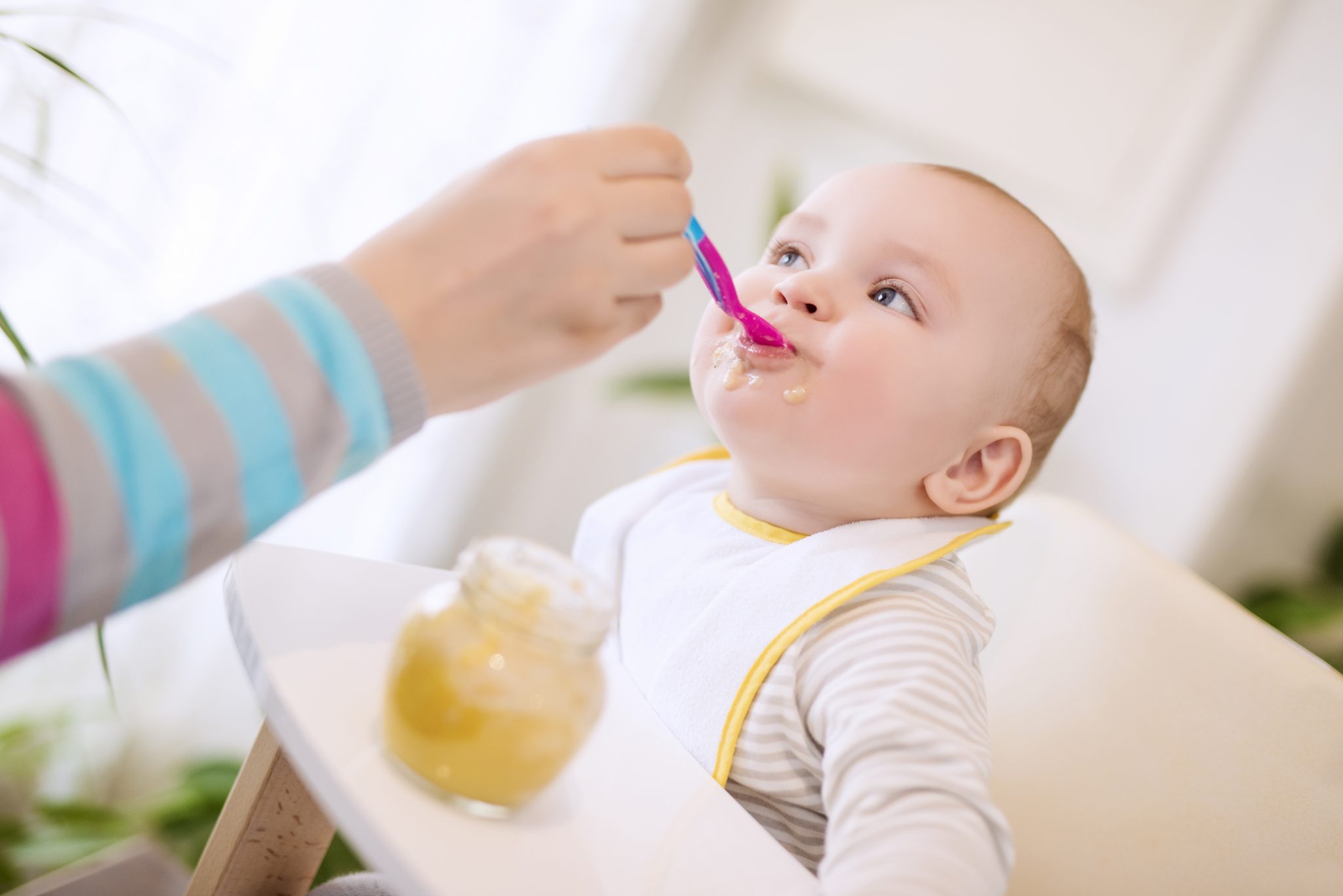
Parents and guardians often want what’s best for their baby, including ensuring that they get all the nutrients they need. At approximately 6 months old, breastfed babies are ready to start trying solid foods. These foods help support their growth and development. While breast milk will still be a baby’s primary source of nutrition until they are about 12 months old, adding solid foods helps provide important nutrients like iron and zinc.
Tips for Starting Solids
The stage when parents and guardians start introducing solid foods is known as complementary feeding. Waiting too long to start solids can lead to nutrient gaps or make it harder for your baby to accept new textures and flavors later on.
The American Academy of Pediatrics recommends starting solid, iron- and zinc-rich foods to support your baby’s growth. Begin with just 1 to 2 teaspoons of a single-ingredient food, such as baby cereal or pureed banana. Wait 3 to 5 days before introducing another new food so you can watch for any signs of a reaction, like rash, diarrhea, or vomiting. If your baby handles the food well, you can begin offering other combinations. Be sure to avoid foods that are high in salt or sugar and hard or sticky items that could pose a choking risk. The following are good starter foods:
- Well-cooked and pureed meat, poultry, or beans.
- Iron-fortified baby cereal mixed with breast milk.
- Cooked and pureed vegetables.
- Mashed bananas.
Knowing When to Start
Not all babies are ready for solids at exactly 6 months old. Some may need more time, especially if they were born early or have medical concerns. Talk to your pediatrician to decide when the best time is to start complementary feeding. You can also look for signs that your baby may be ready to try solids, such as the following:
- Holding their head up and having good neck control.
- Sitting up with or without support.
- Showing interest in food, such as reaching for it.
- Moving food from the front to the back of the tongue and swallowing.
- Does not push food out of their mouth.
For more information related to breastfeeding, visit aces.edu/blog/tag/breastfeeding/.