
Home & Family

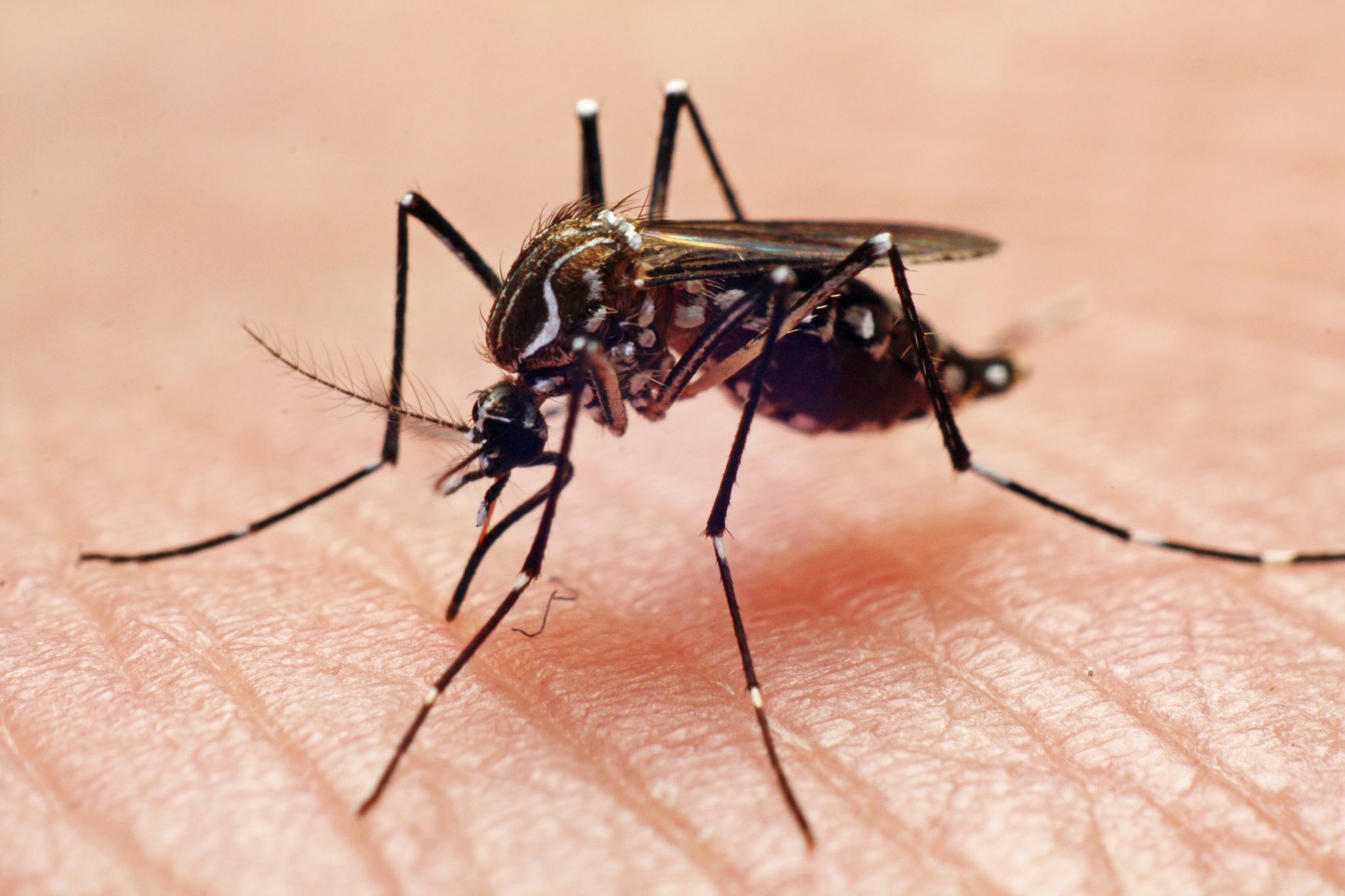
AUBURN UNIVERSITY, Ala. — People know mosquitoes as those annoying insects that can ruin any outdoor activity. However, there is more to these flying pests than just an itchy bite. Mosquitoes are serious global health concerns for humans.
Carrying diseases such as West Nile virus and yellow fever, they are responsible for more than 700,000 deaths every year. Mosquitoes can also transmit animal diseases, such as eastern equine encephalitis. This is why controlling mosquito populations is important for both human and animal health.
To bring awareness to this need, the American Mosquito Control Association observes National Mosquito Control Awareness Week each year. This year, the awareness week is June 21-27 with a theme of “Yesterday’s Threats, Today’s Solutions.”
Xing Ping Hu, an Alabama Extension entomologist at Auburn University, said many will share information throughout the week that outlines the impact mosquitoes have on daily life.
“Mosquitoes have long been some of the greatest rivals to human health,” Hu said. “This year’s theme calls attention to that as well as the innovation and advancements that have been made in protective measures and control practices. The week also highlights the vital service that is provided by mosquito control workers across the U.S. and worldwide.”
Prevention and Defense
To effectively control mosquito populations and mitigate their impact, Hu said a science-based, integrated pest management approach is needed. This includes both preventative and defensive tactics.
“Integrated pest management starts with surveillance and moves toward chemical treatments that target mosquitoes at various life stages,” Hu said. “This approach includes the use of an adulticide, synergist and insect growth regulator.”
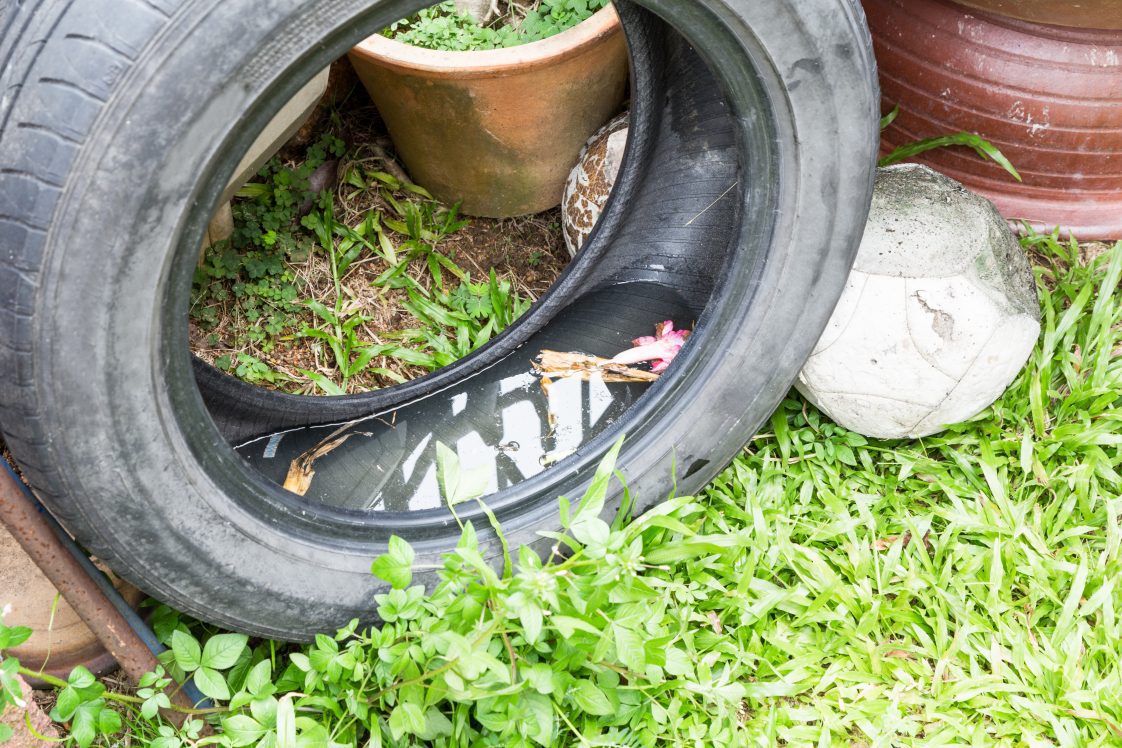 A simple step to controlling populations is keeping grass cut and shrubs trimmed back. It is also crucial to eliminate potential mosquito breeding grounds. Many of the items around a house can easily become breeding grounds if they collect water. These include tree holes, gutters, pet dishes, birdbaths and plant pots.
“Do not let water collect and stand in any of these areas,” Hu said. “For areas where you want to keep water — such as rain barrels and birdbaths — you can apply a biological larvicide. This will kill the larvae and pupae before they become biting adults.”
Biological larvicides are available in a variety of applications, including bits, dunks, tablets, pellets, granules and briquettes. These products are made from natural substances, such as bacteria and insect growth regulators. They are also safe for people, pets and the environment.
For personal defense, there are several practical ways that people can prevent or limit mosquito bites. Hu recommends wearing long sleeves and pants while spending time outdoors. Also, the Environmental Protection Agency has approved several mosquito repellent products that people can use.
“Keep in mind that the effectiveness of any repellent is dependent on a number of factors,” Hu said. “These factors can include different temperatures and environmental conditions, different species of mosquitoes and individual attractiveness of mosquitoes to people.”
More Information
More information on mosquito-prevention methods is available in Hu’s Extension Brief, “Reducing the Impact of Mosquitoes.” The publication can be accessed on the Alabama Extension website at aces.edu. For more information on National Mosquito Control Awareness Week, visit mosquito.org. There, the American Mosquito Control Association has created a dashboard of information, tools and resources.