
Home & Family

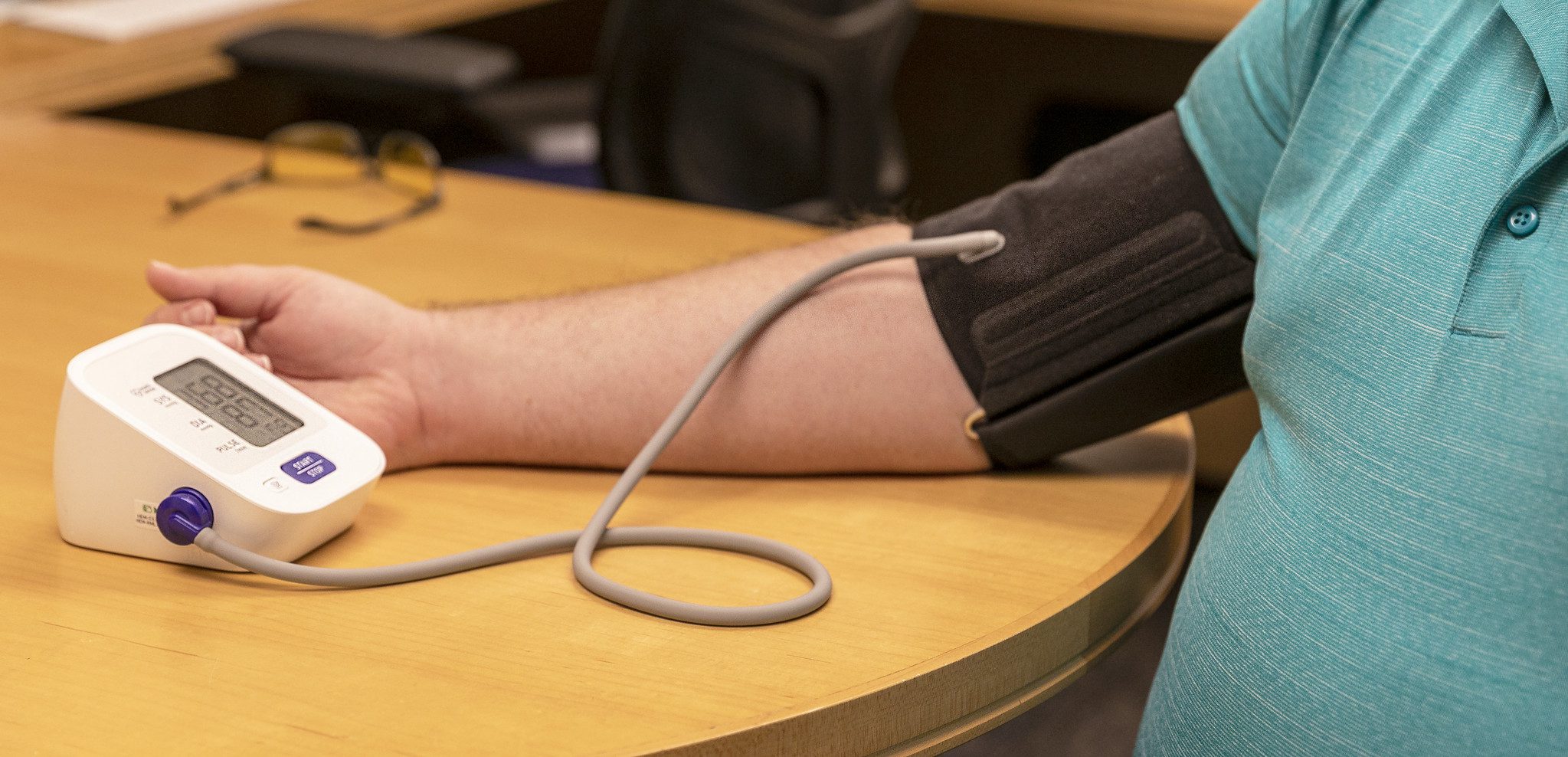
High blood pressure is also called hypertension. It is often referred to as a silent killer because it usually has no noticeable symptoms. Over time, uncontrolled high blood pressure quietly damages blood vessels and organs, increasing the risk for serious health problems such as heart disease, stroke, kidney disease, and vision loss.
While there is no permanent cure for high blood pressure, it can be effectively managed. Healthy lifestyle changes, proper medical treatment, and ongoing monitoring can significantly improve quality of life and greatly reduce the risk of complications.
Know Your Numbers
The only way to know whether your blood pressure is healthy is to have it checked regularly.
Blood pressure readings include two numbers. The top number is systolic pressure while the bottom number is diastolic pressure. Both are measured in mm/Hg or millimeters of mercury.
Current American Heart Association (AHA) guidelines categorize blood pressure readings as follows:
- Normal: Less than 120/80
- Elevated: Systolic of 120–129 and diastolic of less than 80
- High Blood Pressure (Stage 1): Systolic of 130–139 and diastolic of 80–89
- High Blood Pressure (Stage 2): Systolic of 140 or higher and diastolic of 90 or higher
If you are diagnosed with high blood pressure, regular monitoring is important. Blood pressure can be checked at home using a validated home monitor or during visits with your healthcare provider. Keeping a record of blood pressure readings can help you and your healthcare team evaluate how well your treatment plan is working and adjust as needed.
Make Changes That Matter
Managing high blood pressure often requires lifelong commitment and consistent habits. Small changes can lead to big improvements.
Key lifestyle strategies include the following:
- Lose excess weight and maintain a healthy waistline.
- Eat a heart-healthy diet that is low in sodium and rich in fruits, vegetables, whole grains, and lean proteins.
- Exercise regularly, which means at least 150 minutes per week or about 30 minutes most days.
- Manage stress through relaxation techniques, sleep, and time management.
- Take prescribed medications exactly as directed.
- Limit alcohol intake.
- Quit smoking.
- Reduce caffeine intake if sensitive to its effects.
Partner With Your Healthcare Team
If you have high blood pressure, it’s important to follow your doctor’s guidance and stay actively involved in your care. You are a key member of your healthcare team. Open communication, regular checkups, and shared decision-making lead to better outcomes.
Why Management Matters
Heart disease remains a leading cause of death in the United States and worldwide. However, outcomes have improved significantly over the past several decades. Earlier detection, increased awareness, and more effective treatment of high blood pressure have played major roles in reducing deaths from heart attacks and strokes.
By knowing your numbers, making meaningful lifestyle changes, and working closely with your healthcare provider, high blood pressure can be controlled—and lives can be saved.