
Home & Family

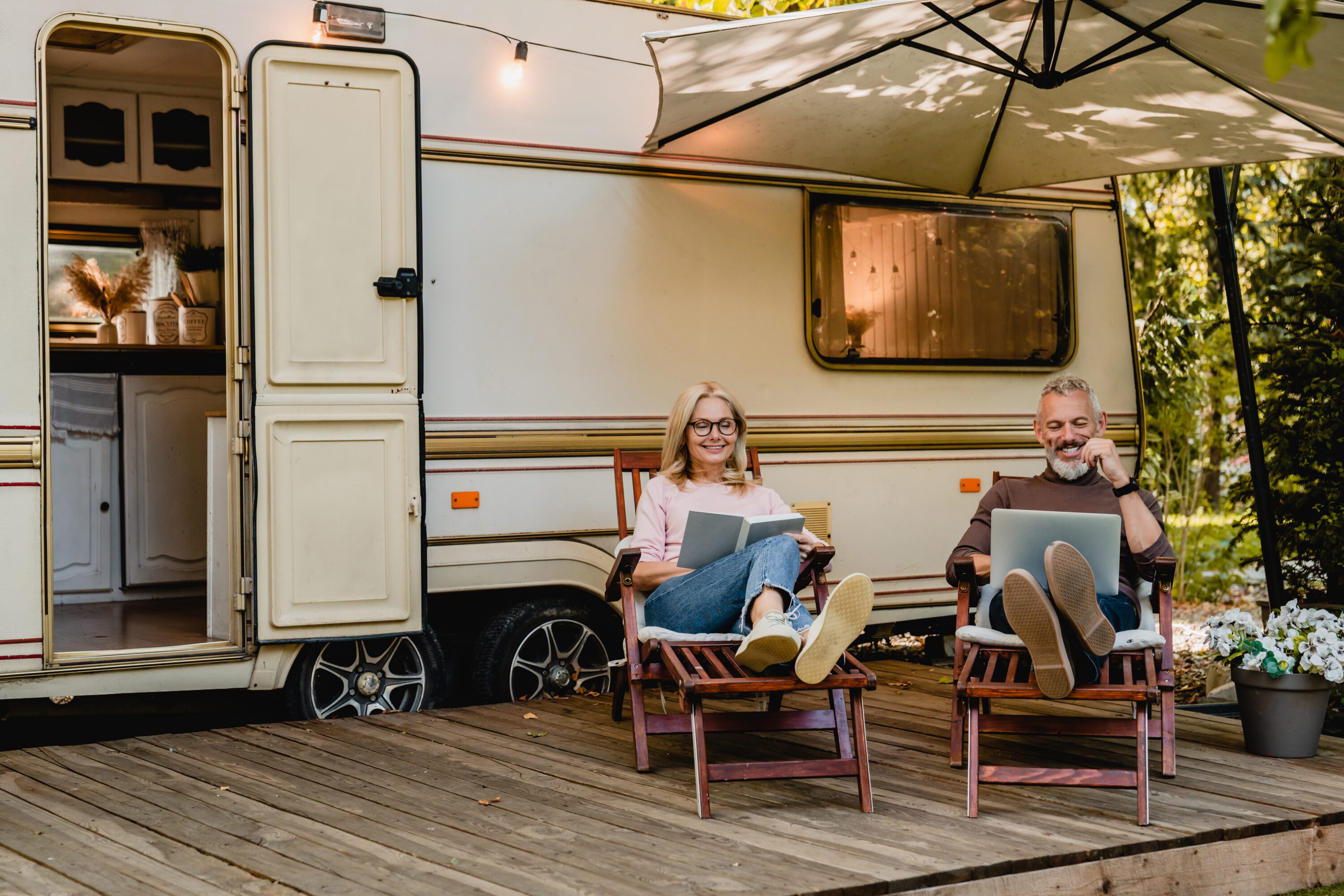
Following this field-tested protocol can protect your RV and nearby structures from Formosan termite infestations that cause costly structural damage.
Formosan subterranean termites (Coptotermes formosanus) are among the most destructive structural pests in the United States. They cause billions of dollars in damage and repairs each year because of their large colony sizes and aggressive foraging behavior. While most termite treatments target stationary residential and commercial buildings, treatments for recreational vehicles (RVs) present special challenges because RVs are mobile, often parked for extended periods in infested regions, and built with many concealed voids and moisture-prone areas.
The protocol presented here is based on targeted methods shown to successfully protect RVs and surrounding areas from Formosan termite infestation.
Why RVs Are High Risk
RV lifestyle has increased significantly due to factors such as remote work and mobile living. RVs can function as both a structure at risk and a vehicle that can transport termites to new locations. Their compact design, extensive use of wood and composite panels, and frequent moisture problems can accelerate termite establishment, infestation spread, and structural safety and investment value. Managing infestations safely is further complicated by confined interior space, limited ventilation, and the need to keep the vehicle habitable during and after treatment.
Protocol for RV Protection
Step 1: Inspection & Source Identification
A thorough inspection is the foundation for any successful treatment and should be performed or verified by a trained pest management professional whenever possible.
- Termite Signs & Activity. Look for mud tubes on walls and ceilings, under flooring, within storage compartments, and along plumbing and wiring penetrations. Check for alate wings, blistered or hollow-sounding wood, and damaged paneling or trim.
- Moisture & Conducive Conditions. Identify plumbing leaks, HVAC condensate problems, roof or window seal failures, and overflow from water tanks or reservoirs. Document all moisture sources and water-damaged areas. Removing these conditions is crucial for long-term control of subterranean termites.
Step 2: Interior Treatment Plan
Given the enclosed nature of an RV, interior treatments must be targeted, nonrepellent where possible, and applied with strict attention to label directions and occupant safety. Treatment selection and application should be left to licensed pest management professionals and be based on infestation extent, access, client expectations, and regulatory constraints. Owners can assist by providing detailed history, access to compartments, and posttreatment monitoring.
- Localized Foam Termiticide Applications. Use a professional nonrepellent termiticide (e.g., fipronil, imidacloprid, or chlorantraniliprole-based) approved for voids or foam application in areas with confirmed activity. Inject foam into wall voids, beneath flooring, and into junctions between wooden members where mud tubes or damaged wood is found. Expansion of the foam penetrates to concealed galleries that liquid treatments cannot reach, ensuring contact of active ingredients with the hidden termite population.
- Interior Borate Wood Treatments. Borates provide both curative and preventive protection by acting as toxicants and wood preservatives, reducing the suitability of treated wood as a food source for termites. Apply labeled borate-based solutions to exposed or accessible structural lumber, plywood, and other cellulose components with active or high-risk areas.
- Aboveground Baiting Systems. Where direct access is limited or broad colony control is desired, install always-active aboveground bait stations at or near the identified areas of activity and high moisture. Use baits containing slow-acting insect growth regulators (IGRs), such as hexaflumuron or noviflumuron, that disrupt the termite’s molting process. Foraging workers consume the bait and distribute the lethal active ingredient throughout the colony, leading to delayed population decline and eventual elimination.
Step 3: Soil & Exterior Perimeter Protection
To prevent reinfestation and to avoid spreading termites from an RV into the owner’s residence or surrounding properties, exterior measures at the primary parking site are essential. RV owners, landowners, and campground operators can help design parking layouts and vegetation management that simplify soil or bait placement and minimize wood-to-soil contact.
- Nonrepellent Soil Treatments. When permitted, apply a continuous band of nonrepellent liquid termiticide (e.g., fipronil, imidacloprid, or chlorantraniliprole formulations labeled for soil barrier treatments) around the area where the RV is routinely parked. This treated zone intercepts termites attempting to reach the RV from the soil and intercepts termites exiting the RV, reducing the risk of them infesting the RV owner’s main residence and nearby structures.
- In-Ground Termite Baiting Systems. As an alternative or supplement to soil treatments, inground bait stations can be installed in the RV parking area and around the owner’s home or storage building.
Two main in-ground baiting approaches are used. In the “monitor-then-bait” design, each station is first installed with a nontoxic wood or cellulose monitor that is inspected routinely. When termites begin feeding, the monitor is replaced or supplemented with a toxic bait to achieve colony suppression. In the “always-active” design, each station is loaded from day one with a durable bait containing an insect growth regulator, providing continuous access to active bait; these stations still require periodic inspection and replenishment of consumed bait according to the product label.
Step 4: Long-Term Prevention & Integrated Pest Management
Sustainable management depends on integrating habitat modification, structural exclusion, and scheduled inspections into an ongoing integrated pest management (IPM) program.
- Moisture Management & Habitat Modification. Operate water reservoirs carefully to avoid overflow onto or into the RV, and promptly repair any plumbing, roof, window, or seal leaks that introduce moisture. Use dehumidifiers and improve crossventilation in undercarriage, subfloor, and storage compartments to keep humidity low and reduce conditions favorable to subterranean termites.
- Structural Exclusion & Sanitation. Seal cracks, gaps, and penetrations in siding, flooring, and wooden components with appropriate sealants to limit termite entry points. Avoid direct wood-to-soil contact at supports or blocking, and remove scrap lumber, cardboard, and other cellulose debris from in and around the RV.
- Monitoring & Professional Follow-Up. Maintain bait stations, if installed, and schedule regular inspections (at least annually and preferably every 6 to 12 months in high-risk regions) with a licensed pest management professional. RV owners who perform interim checks should focus on past moisture sites, plumbing runs, under-floor areas, and any location with previous damage, and should consult a professional immediately if new mud tubes, alate wings, or damage is detected.
 Xing Ping Hu, Extension Specialist, Professor, Entomology and Plant Pathology, Auburn University
New January 2026, Defending Your Mobile Home: Protocol for Formosan Termite Control in RVs, ANR-3220