
Home & Family

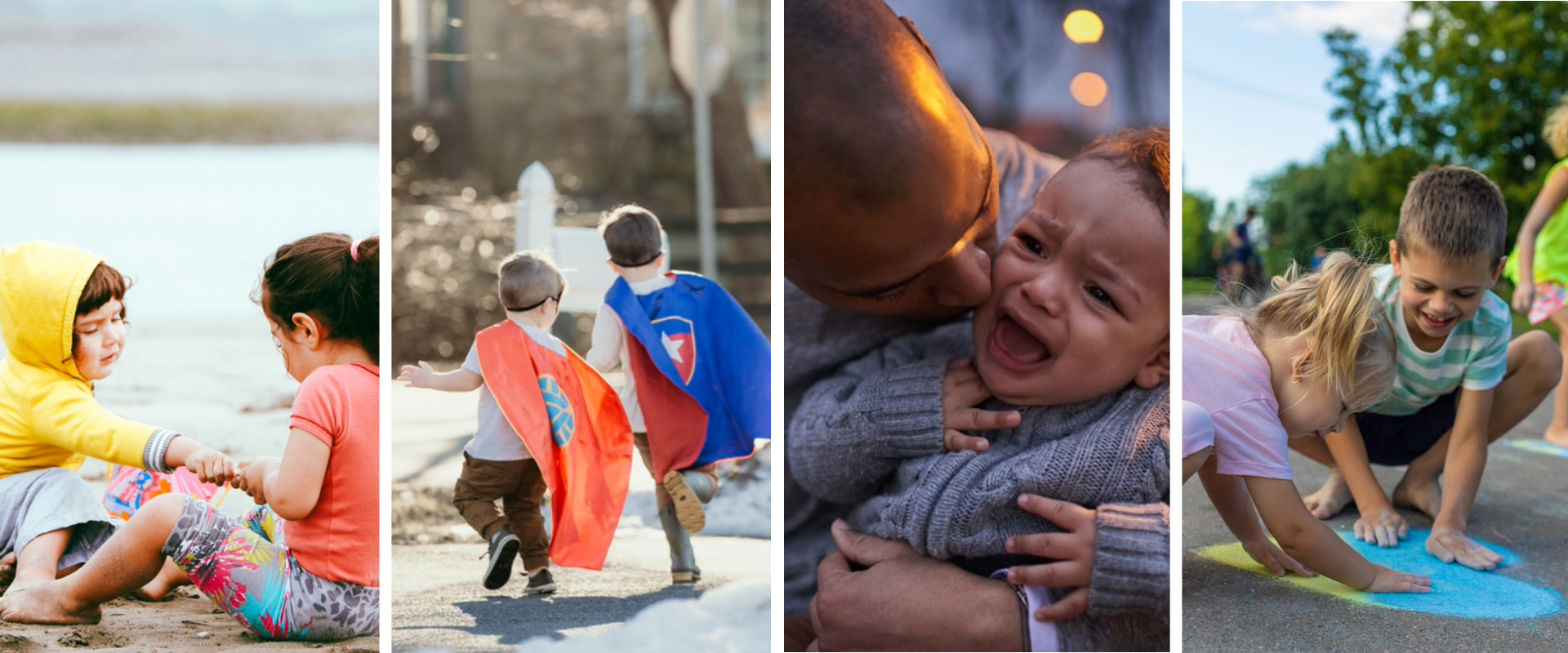
Social and emotional skills are important for school readiness. Reading and writing are often considered the only skills important for school, but emotional and social intelligence are better predictors of academic success. This publication continues the New Principles of Parenting Series, providing tips and information to support positive parenting and child development.
Being ready for school means that young children have learned how to cooperate and get along with others. They are also able to accept disappointment without a tantrum, not hit others when they are angry, and wait their turn. Being able to get along well socially makes it easier for children to make friends and fit in. Children who know how to make friends do better at school and enjoy it more. Having strong relationships at school with peers and adults is protective against unexpected challenges, including peer bullying and family trauma. However, getting along with others is complicated. Learning to deal with emotions is hard!
Emotional Intelligence Is the Foundation of Social Skills
Emotional skills, sometimes called emotional intelligence, go along with social skills. Emotional intelligence includes self-awareness and other-person awareness. Emotional awareness starts with a strong foundation in love, because when we respond to an infant or child, we are teaching them that their emotions and needs matter. As we respond, we help infants become aware of what feelings mean. For example, when they cry and we hold them, they might learn that their discomfort means “I want to be held.” As parents and caregivers respond, we model—or teach—empathy. As infants grow into toddlers, they become a little more other-person aware. We can start teaching them how to share and be kind to others, including pets. By preschool age, they are miles further. They can tell you what anger is, they can express frustration, they know what they want, and they know what happiness and silliness are. This self-awareness is the foundation of emotional intelligence.
Children’s social skills develop alongside emotional awareness. Social skills develop through interactions with the important people in their lives. Children learn how to treat other people by the way they are treated. Their everyday experiences with family members and caregivers teach them how to relate to others. If children are treated fairly, with respect and consideration, they will gradually learn to treat others the same way. However, until children can understand their own emotions and how to express themselves, they may have a hard time taking the next step, which is developing social skills.
Social Skills
All types of play are foundational to developing social skills. Play starts with simple interactions with one person at a time when they are infants. It grows into playing alongside others. Toddlers often play beside each other, in what is called parallel play, before they learn to cooperate and share with others. During parallel play, a toddler might grab a toy from another toddler. You may gently suggest that the other child does not like that, but instead of waiting for a toddler to agree, you might have to show them by gently taking it away and giving it back to the first child. For older children, at 3 and 4 years old, you can remind them to ask before they take, so you can take a step back.
As children grow, they learn to share and cooperate. Sometimes this is with imaginary friends, and that’s okay. Imaginary and real friends provide practice in social skills. Social skills also develop through make-believe play as children practice being in roles. You might hear them “acting” out roles. That’s important social skill development.


Play Dates and Friendships Build Social Skills
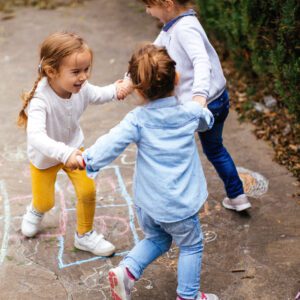
Children need opportunities to play and interact with their peers to develop good social skills. Play with peers helps children practice relating to others, solving problems, and dealing with conflict. Many adults are surprised to learn how important young children’s relationships with other children are. Friendships—even for children as young as 1 or 2—are important emotional attachments. They learn to combine feelings with important social skills.
Parents can help children develop social skills by arranging a meeting to play with other children. These “playdates” can be arranged to take place at home, at a neighborhood park or playground, or at other community locations. Playdates can include one other child or several children.
Learning to Share and Cooperate
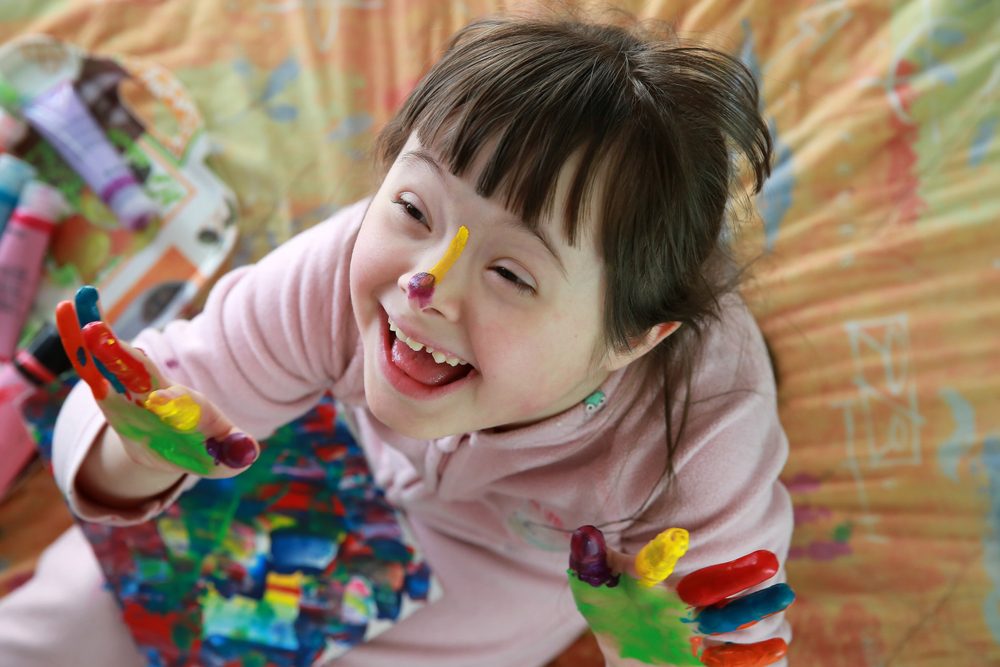 As children grow, it is important to adjust your expectations. For example, the idea of sharing is not one that toddlers and infants understand. However, by showing them how to share, like passing a toy from one child to another and praising them for sharing, you are showing them what sharing is. You do not need to use time-outs or punishments for toddlers or young preschoolers. They will learn appropriate behavior the more you show or model it with your own behavior.
As children get older, you can continue teaching by showing them how to be gentle with others, including pets and smaller children. Allow older preschoolers to settle their differences on their own, unless there is a risk of someone getting hurt.
Signs of Social and Emotional Growth
- Feeling comfortable and excited to be with other children
- Showing awareness of other children and other interests
- Understanding the needs of others
- Standing up for themselves and not just following others
- Working toward cooperating and getting along with others
- Showing consideration and empathy for others
- Having friends
- Understanding fair treatment of others
- Being able to share fairly
- Being able to express their feelings appropriately
- Showing some self-control in behavior with others
- Knowing when to get help
Let’s Pretend
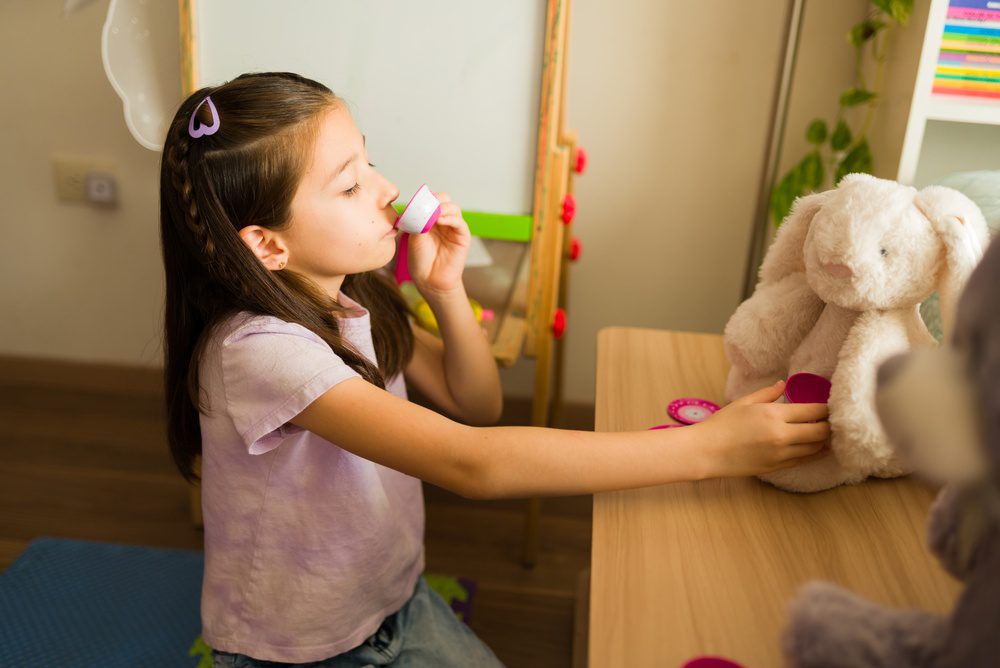 Young children between the ages of 2 and 6 years like to pretend. Make-believe play gives them a chance to be and do what they imagine. Is make-believe or pretend play a waste of time? Absolutely not! There are many benefits of pretend play, including the development of social skills. For example, children often copy what they see others doing around them, including on screen. As they act out characters, they experience the feelings of those characters and learn how feelings, facial and voice expressions, and actions might go together.
While they are pretending, children learn other skills, such as language skills. Role play can help a child work out how situations might make them nervous, scared, or angry. Children learn how they want to act when that happens. Pretend play lets a child feel in control of their own world and helps him or her gain confidence.
Children sometimes practice scary situations they have experienced. That is okay, because it helps them feel more in control. If you are worried about what they are acting out, though, talk to your child or a responsible and trusted adviser about what it might mean.
Tips for Play: Keep an Imagination Box!
- Older or unused clothes, shoes, or hats or caps for playing dress-up. Save household objects that are no longer needed, such as worn out cooking pans, plastic containers, and utensils.
- Keep empty boxes of different sizes.
- Offer safe play tools, pieces of wood, or big blocks.
Try using everyday objects found around the house. This challenges children to have fun with the world around them.
Give the Gift of Time
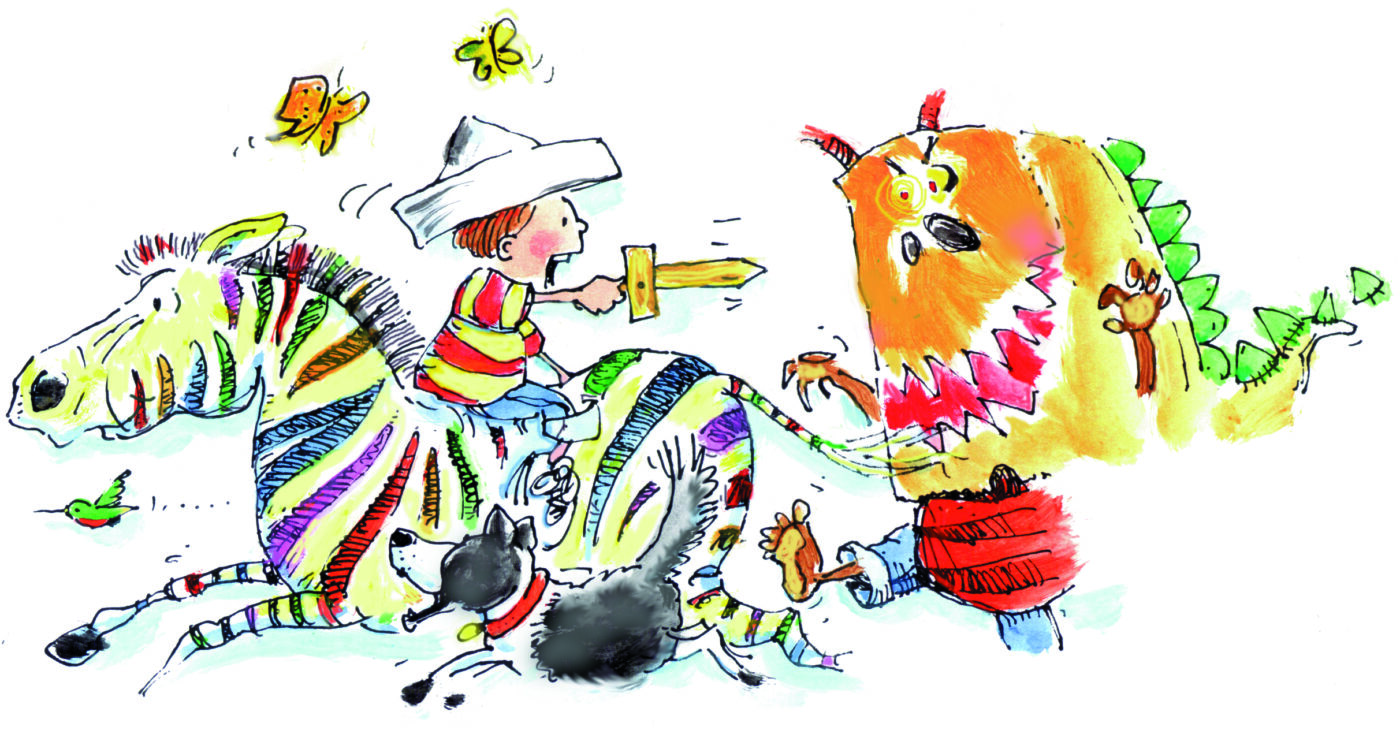 The best gift your child can receive (besides your attention) is permission to play however they want (within safety) and free time. Parents sometimes worry that they are not doing enough and try to help by designing things to do. Stop! Your child will benefit from free time and the boredom that comes with free time. When children invent games with others, they have to negotiate, convince, and engage. They are developing social skills as they do this.
Your interest is a gift, too. When your children make up their own games and share them with you, be interested. You can ask questions like, “Tell me more about your pet dinosaur.” Let them perform a skit for you (and do not record it). Let it be a private moment between the two of you.
If your child invites you to play, be a follower. Follow your child’s lead. They will enjoy it when you join them, and your trust in them is the biggest gift you can give. Avoid correcting your child during pretend play. Do not tell them what is real and what is not. They know that, but at this age, pretend is very real. (They know there is no such thing as a flying purple cow that talks.)
On a day, when your children are bored, make a set of tags (cards or pieces of paper) that have prompts for make-believe play:
“When I was going to the moon, I . . .”
Or
“When the Zebra talked to me, he told me . . .”
Or
“When I was the teacher, and I . . .”
Or
“When I was a fish in the creek, I . . .”
Encourage these ideas to be very imaginative. The next time children do not know what to do, pull out the cards and let them play. They might start by making new cards.
Social Play and Sharing Develop Over Time
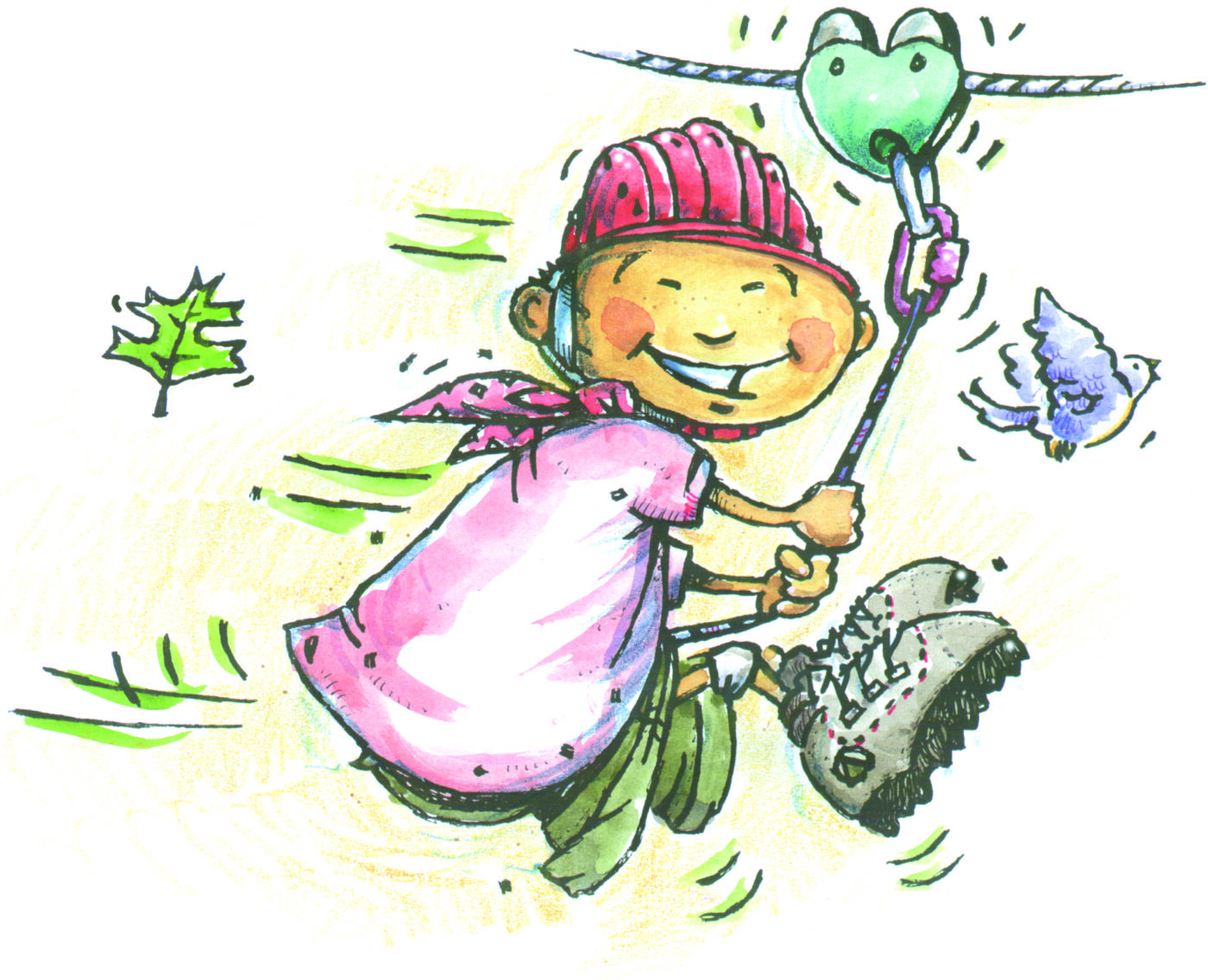 Young children play with others differently as they grow and learn more skills. Crawlers and toddlers are often content to play alone or with other children, but they may not be good at sharing their toys. They are just learning to understand that others have feelings, too. At ages 3 and 4, children enjoy playing with children their own age. They are better able now to learn to share and cooperate with others. While parents and other adults are important in this process, children need each other to develop more sophisticated social behaviors.
Why? When children share simply because an adult asks them to, they may do so to avoid punishment or to win approval. This is important, but in life we need to learn to read the signals of our peers and understand how to respond effectively. Children may cooperate because they are motivated by the needs of others. The reward may be friendship or finding a solution to a problem. This is a basic skill that fosters a sense of confidence and pride in their own accomplishments.
Make sure your child has the chance to play with others his or her own age and to learn these important social skills. It may look like play, but the shouting and joy you see on the playground is an important social learning moment.
Summary
One of the big surprises is that free play with others is so important to young children’s social and emotional development. Children learn social and emotional skills through the process of making up activities, trying out ideas, sharing, and experiencing outcomes. Each step from the first development of trust in infancy through to the complicated make-believe play of preschoolers is important. The more socially and emotionally advanced a child is, the more ready he or she will be for school. You can support this by providing time and space for play.
You can read more about developmental milestones on the Centers for Disease Control and Prevention (CDC) website, which lists important social and emotional milestones that many children will likely achieve at age 4. Remember that no child will do all of these all the time and that any child may or may not do most of these. Each child grows at their own rate as they experiment and learn skills.
CDC Social and Emotional Milestones for 4-Year-Old Children
- Pretends to be something else during play (teacher, superhero, dog)
- Asks to go play with children if none are around, like “Can I play with Alex?”
- Comforts others who are hurt or sad, like hugging a crying friend
- Avoids danger, like not jumping from tall heights at the playground
- Likes to be a “helper”
- Changes behavior based on where she is (place of worship, library, playground)
Learn tips on how to support your young child’s growth from Just In Time Parenting, an Extension series of 40 newsletters in Spanish or English, covering prenatal and birth to age 5. The Just in Time Parenting newsletters can be found at www.jitp.info.

Silvia Vilches, Extension Specialist, Associate Professor, Family and Child Development; Leigh Akins, Extension Agent, Family and Child Development; and Jenna Wettstein, Undergraduate Research Assistant, Psychology, all with Auburn University.
Revised September 2026, Building Social and Emotional Skills in Young Children, FCS-2961
This revision is based on a former publication led by Ellen Abell, former Extension Family and Child Development Specialist, with S. Jermaine Duffie and Kelly Dorr, students in Human Development and Family Science, all with Auburn University. Illustrations by Bruce Dupree, Manager, ACES Communications and Marketing.
For more information, contact your county Extension office. Visit aces.edu/directory.
Trade and brand names used in this publication are given for information purposes only. No guarantee, endorsement, or discrimination among comparable products is intended or implied by the Alabama Cooperative Extension System.