
Forestry

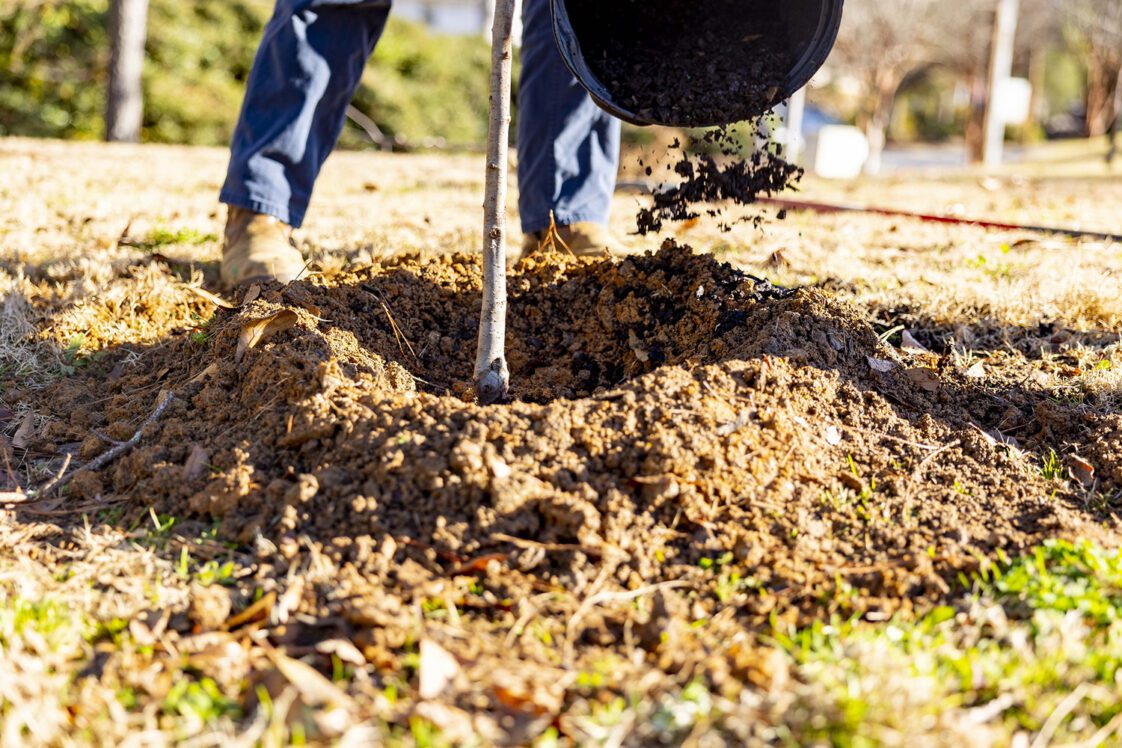
This course offers practical guidance for those responsible for managing and preserving trees in landscapes and communities. Participants will learn essential practices such as proper pruning, safe equipment use, tree selection, planting, and long-term maintenance strategies. Led by experienced arborists and Extension specialists, the course combines expert instruction with hands-on demonstrations to help ensure healthier, safer, and more sustainable trees.
Course Objective
Introduce and provide practical training on growing and maintaining healthy trees to urban tree care professionals (e.g., municipal and commercial tree workers, certified arborists, etc.) and the general public (e.g., homeowners, Master Gardeners, etc.)
Course Learning Objectives
Upon completion, participants will be able to accomplish the following:
- Demonstrate proper tree pruning techniques that promote healthy structure and long-term growth.
- Identify key considerations for selecting appropriate tree species based on landscape and site conditions.
- Evaluate trees for potential hazards and perform basic risk assessments to support public safety.
- Recognize the impacts of construction on trees and apply effective protection strategies during development projects.
- Implement best practices for tree planting and establishment to ensure successful growth and survival.
- Identify and manage common pathogens and diseases that affect tree health in Alabama.
- Participate in outdoor demonstrations to observe and practice hands-on skills in pruning, planting, and safety.
Course Format
The course will be one full day of training and will combine classroom instruction, field demonstrations, and hands-on activities.
Course Instructor
The training is conducted by Alabama Extension specialists, agents, and International Society of Arboriculture Certified Arborists.
Certificates
Participants will receive a Certificate of Attendance.