
Forestry

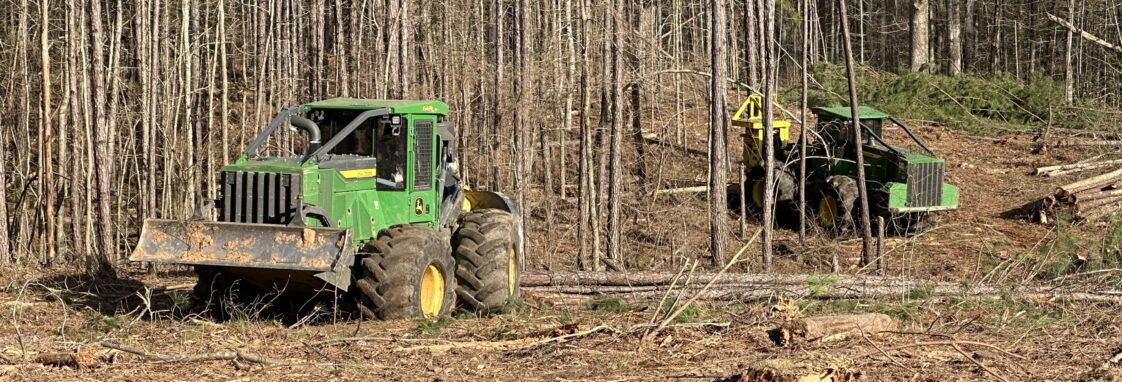
Logging operations have been transformed by fleet management system tools (telematics), such as Ponsse Manager API, JDLink (John Deere), RemoteLog (Tigercat), and Weiler Watch. These systems use Global Positioning Systems (GPS), sensors, and real-time data analytics to provide loggers and business owners with information on how their equipment is performing and how efficiently it is running. With this kind of insight, managers could potentially improve productivity, cut costs, and adopt more sustainable practices across their operations.

Figure 1. Data output from harvesting equipment showing the amount of utilization (time working), hours of operation, and fuel performance.
Fleet Management
One of the main advantages of using telematics in logging operations is the ability to provide logging business owners with a comprehensive, real-time view of field activities. This system enables the precise tracking of each machine’s location, operational status, movement patterns, and real-time diagnostics of equipment and maintenance needs. For example, when a feller buncher progresses through a forest stand, the system enables operators to pinpoint the exact location of the feller buncher, along with georeferencing tree bunches. This allows skidder operators to navigate directly to target areas and bunches without unnecessary delays or guesswork once trees are ready for skidding. GPS integration also helps ensure that logging operations remain within the designated boundaries of the tract, showing boundary maps, monitoring other operational areas, and providing instant alerts if equipment moves outside the limits. This could help prevent accidental encroachment into streamside management zones, sensitive areas, protected areas, or neighboring properties.
Fuel Consumption
Fuel consumption is another key function in logging equipment telematics. Telematics can provide detailed information on fuel usage, engine information and usage, and equipment idling (figure 1). With this data, logging business owners and operators can evaluate inefficiencies to help improve productivity. For example, too much idling and inefficient operation can increase fuel costs and overall carbon emissions, which are a big part of overall expenses and emissions from logging operations. This data can help train operators to be more efficient and optimize various aspects of harvest operations, such as travel routes of equipment. This may lead to lower operational costs, which have the potential to boost profitability.
Machine Health & Maintenance
Maintenance is a key area where telematics can boost efficiency. With traditional maintenance schedules, you can service machines too often, wasting time and money, or risk breakdowns by not servicing equipment on time. Telematics changes the game by constantly keeping an eye on key health indicators such as engine hours, hydraulic pressures, fluid levels, and machine components, and will indicate when maintenance or repairs are needed. These systems will send alerts to business owners, operators, and equipment dealers. This proactive approach not only prevents unexpected breakdowns but also extends the life of the equipment and can reduce long-term maintenance costs. As a result, logging operations run more smoothly with a fleet that is reliable and consistently productive.

Figure 2. An operator works on a feller buncher in the woods after telematics alerted the operator to a possible issue.
Productivity
Telematics can provide a clear picture of equipment and operator productivity. By looking at data such as utilization, load cycles, idling, and other key metrics, logging business owners can see how well both their equipment and their crew are performing. This information can help indicate where improvements are needed, whether it is adjusting how different machines work together, or offering targeted training for operator improvement. For instance, if the data shows that a particular operator is not using the feller buncher efficiently, the business owner or supervisor can use the telematics data to evaluate ways to improve operation productivity. This kind of focused support can lead to better performance and higher productivity across the entire operation.
Safety
Safety is a top priority in forest operations, and telematics can play a vital role in enhancing it by monitoring equipment usage and ensuring that operators follow safety protocols. For example, if an operator exceeds safe speeds over rough terrain or operates in a way that risks instability, telematics can send immediate alerts to supervisors or operators for corrective action. The integration of GPS technology further enhances safety by providing precise location data, which is invaluable during emergencies. In cases requiring urgent medical intervention, such as an airlift or ambulance, GPS coordinates guide responders directly to the scene, significantly reducing response times in remote logging areas. By encouraging safer operational practices and enabling rapid emergency responses, telematics help lower the risk of accidents and ensure that workers have access to timely assistance when needed.
Conclusion
Overall, fleet management systems have become essential for boosting the efficiency of forest operations. They offer real-time monitoring, streamline maintenance and repairs, improve productivity, and enhance safety. With all this information at their fingertips, logging businesses can make smarter decisions that not only optimize how resources are used but also ensure the long-term health of their operations. As the forestry industry continues to change and adapt, telematics will play an even bigger role in driving efficiency and promoting sustainable practices.
Additional Resources
- Laitila, J., & Väätäinen, K. (2020). Productivity and fuel consumption analysis of forest machines using telematics data. Journal of Forest Engineering, 31(1), 45-52.
- John Deere, JDLink Telematics System.
- Tigercat, RemoteLog Telematics System.
- Weiler, Watch
 Abubakar Tahiru, Graduate Research Assistant, Richard Cristan, Extension Specialist, Associate Professor, and Marissa “Jo” Daniel, Assistant Professor, all in Forestry, Wildlife, and Environment, Auburn University
New November 2025, Fleet Management Systems (Telematics) in Logging Equipment, FOR-2189