
Forestry & Wildlife

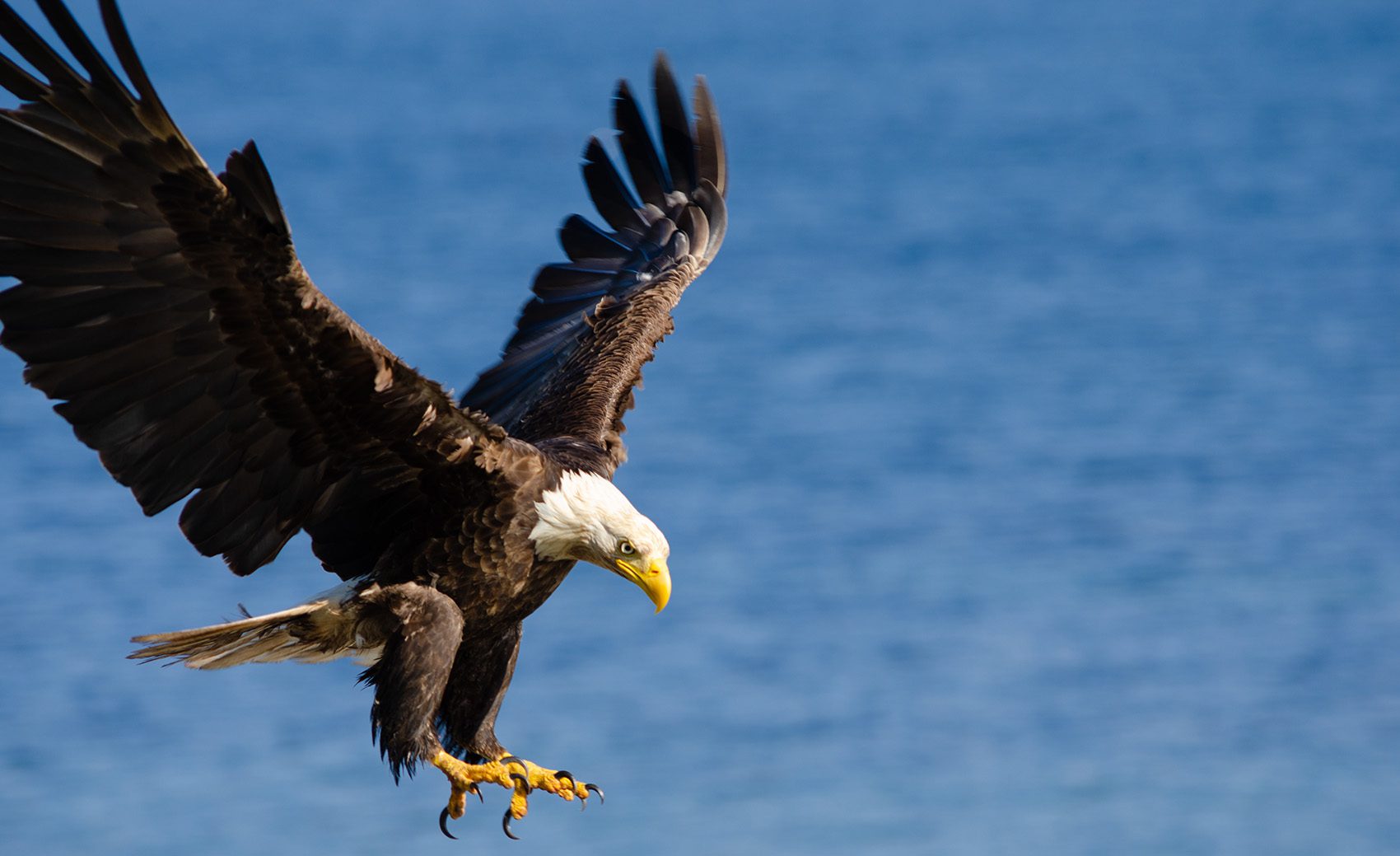
AUBURN UNIVERSITY, Ala. — Rocky’s rematch with Clubber Lang. Steve Jobs’ return to Apple. The 2004 Boston Red Sox. People love a good comeback story. However, these stories are not exclusive to boardrooms and baseball diamonds. Some of the best comeback stories happen in forests and streams across the country.
Since 1973, the ripple effects of the Endangered Species Act and other conservation efforts have made it possible for many wildlife and plant species to write their own great American comeback stories. Celebrated annually, Endangered Species Day, set for May 15, highlights conservation efforts for endangered and threatened species. This year’s theme — Celebrating America’s Wildlife Comeback Stories — spotlights the results of those efforts and their real-world impacts.
“Some of the greatest wildlife comeback stories live right here in Alabama,” said Wesley Anderson, an Alabama Extension wildlife specialist at Auburn University. “From the American alligator to the bald eagle, Alabama has played an important role in the protection and conservation of many threatened and endangered species.”
Endangered Species Act
The Endangered Species Act is a multifaceted piece of legislation. At its core, it federally protects threatened and endangered wildlife and plants. It also allows for species to be added to and removed from the official list of endangered and threatened species. Scientific data largely drives adding or removing a species. The Endangered Species Act outlines five factors to use when considering a species for the list. These include habitat destruction, disease and overutilization of the species.
“We don’t want any species to be on this list forever,” Anderson said. “One of the key parts of the Endangered Species Act is the implementation of recovery plans for each species. The hope is that these efforts lead to them being removed from the list and their management returned to the states.”
Protecting Alabama
Alabama is known as American’s Amazon, thanks to its incredible biodiversity. With this title also comes the incredible responsibility of protecting these resources. Alabama has the third highest number of species currently on the endangered and threatened species list, behind Hawaii and California. Stepping up to the challenge, Alabama has been involved in some of the most influential conservation efforts in the past 100 years.
American Alligators
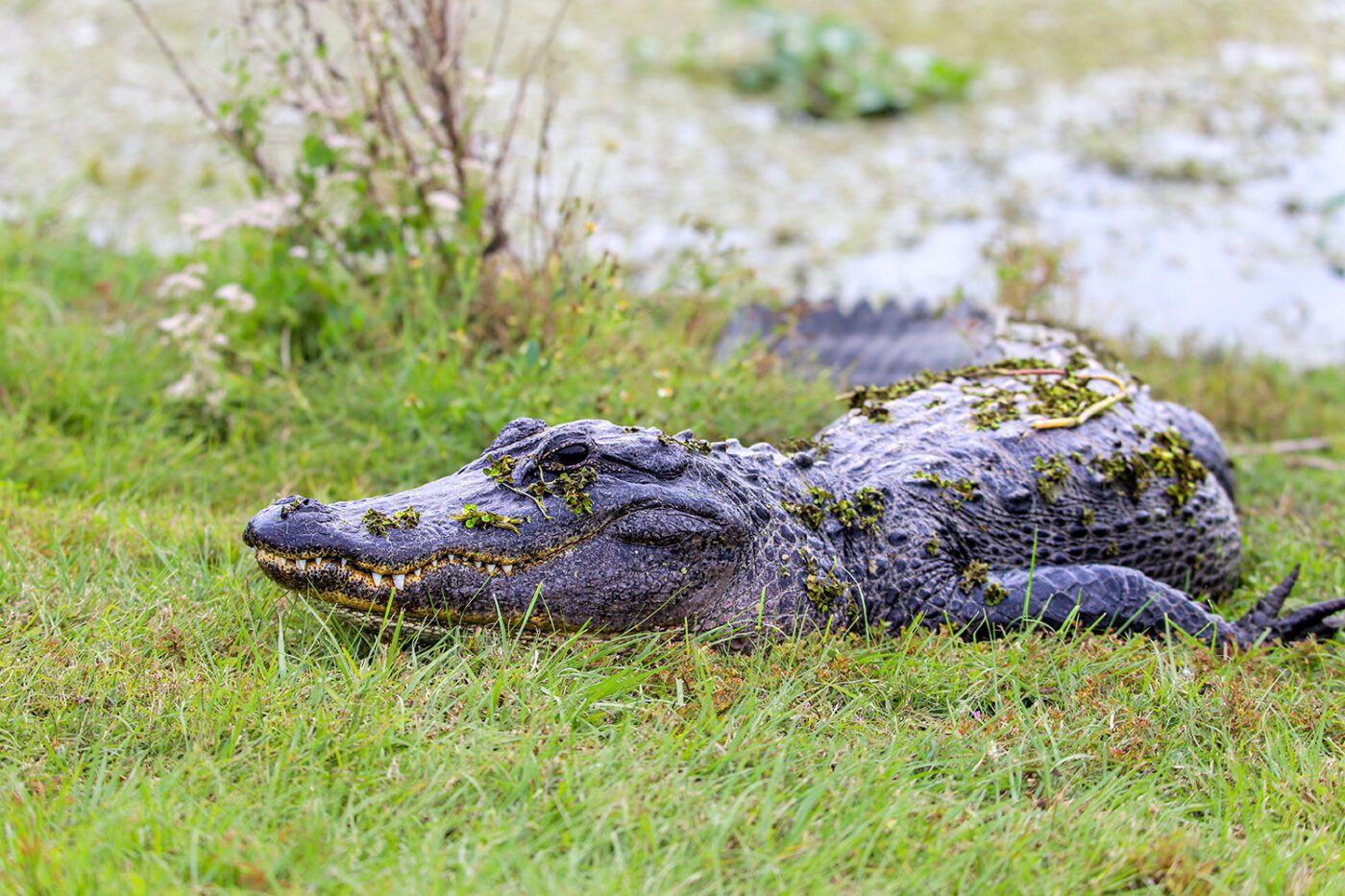
In 1938, Alabama was the first state in the U.S. to protect the American alligator. This was almost three decades before it was listed federally as an endangered species.
“The American alligator faced near extinction in the early 1900s,” Anderson said. “Thanks to decades of conservation efforts, alligator populations in Alabama are now thriving to the point where we have a regulated hunting season.”
The federal government removed the American alligator as an endangered species by 1987. Today, it is still federally protected and listed as a threatened species. This is because it resembles the American crocodile, which is still an endangered species.
Bald Eagles
The bald eagle is another species with a strong conservation story in Alabama. In a state where one of the unofficial greetings is War Eagle, it is hard to imagine that eagles were ever nonresidents. However, records indicate bald eagles did not successfully nest in the state for decades, from 1949 to 1991.
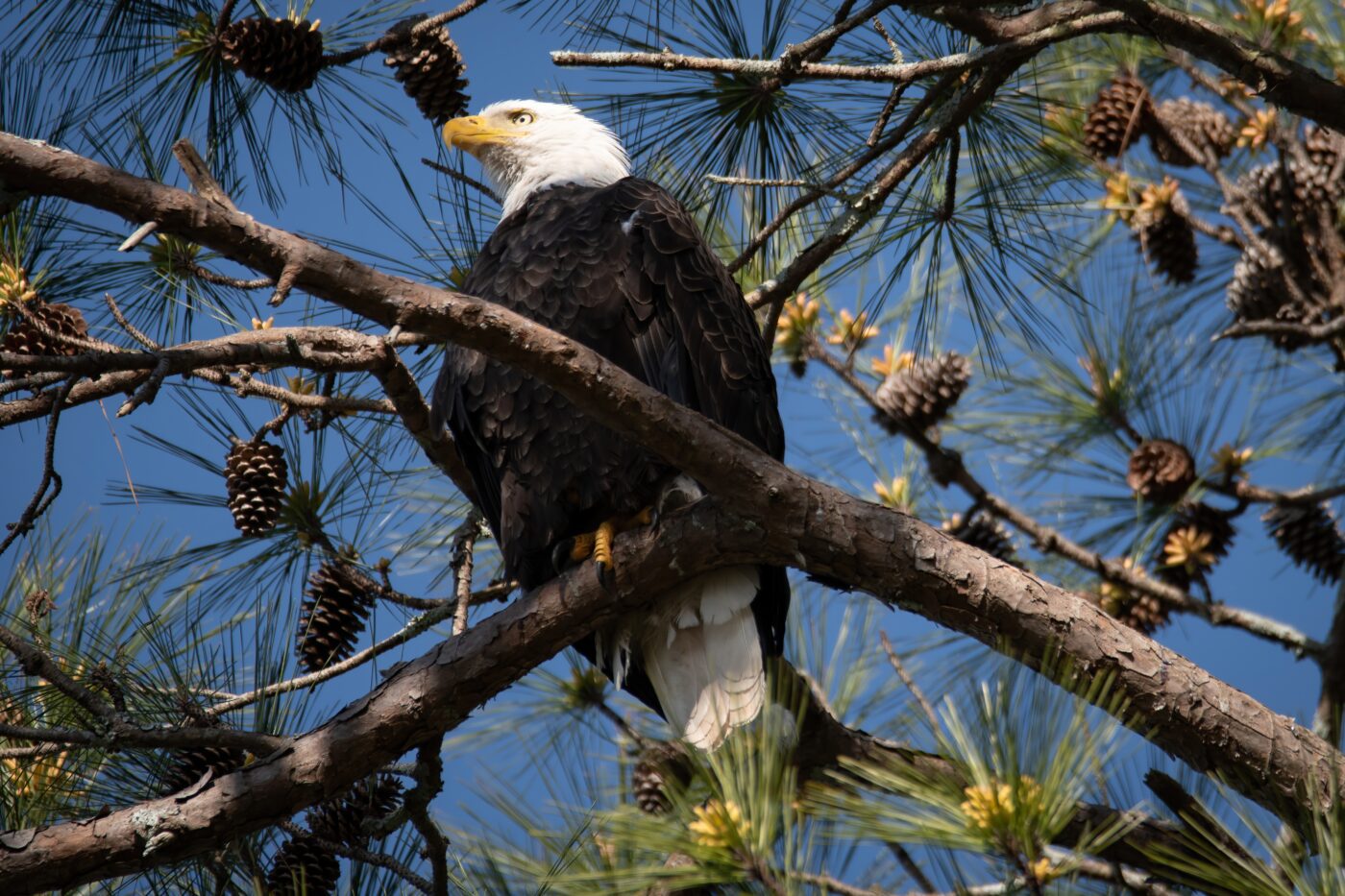 Across the U.S., one of the primary causes of the bald eagle’s decline was the use of DDT, an insecticide developed in the 1940s. Because of its great harm to wildlife, particularly birds, and its suspected risk to human health, the U.S. Environmental Protection Agency banned the use of DDT in 1972. Thanks to this ban and later conservation efforts by the Alabama Department of Conservation and Natural Resources, the bald eagle’s 40-year hiatus in the state came to an end. In 1984, the department began eagle restoration efforts, releasing 91 young eagles back into the wild between 1985 and 1991. To date, the department has released more than 500 eagles, and there are more than 100 eagle nests in the state.
“The recovery of the bald eagle is one of the most significant comeback stories in our state’s history,” Anderson said. “We went from 40 years of no resident eagles to this year celebrating the 40th annual Eagle Awareness Weekend at Lake Guntersville State Park. That is a great example of how investments in conservation can go beyond just the environmental aspects to impact our social and cultural identities.”
More Work to Do
Even with these great examples of conservation wins, there is still more work to do in Alabama and beyond. Many of the plants and animals that call the state home face serious conservation risks. Anderson said all residents can play a role in protecting these natural treasures.
“When people take part in citizen science, they become the eyes and ears that help protect our state’s threatened and endangered species for generations to come,” Anderson said. “Every observation matters and we need your help. Also, so many of our imperiled species in Alabama are a part of our aquatic systems. Simple things like keeping waterways clean go a long way in supporting conservation efforts.”
More information on Endangered Species Day and other related projects is available on the Endangered Species Coalition’s website at endangered.org. People can also reach out to a forestry, wildlife and natural resources Extension agent for information on local citizen science projects. Agent’s contact information is available in the online directory at aces.edu.