
Forestry & Wildlife

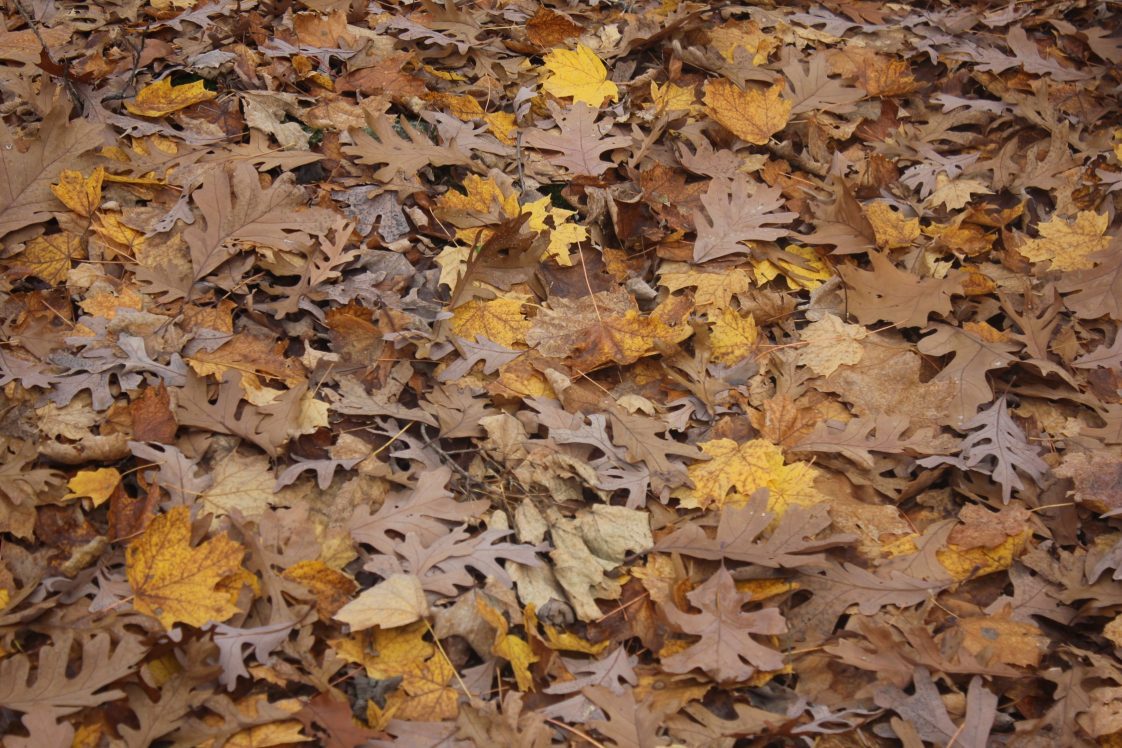
You may have seen the slogan, leave the leaves, on your social media feed, encouraging people to skip the annual fall raking and backyard cleanup. However, what does that mean and why would you want an untidy yard over the winter? While many people think their yard should look tidy and organized, a messy yard during fall and winter is much more beneficial to pollinators and backyard wildlife. It is widely known that pollinators are vital for gardens and flower beds. Insects are also an important food source for the birds that people love to feed and watch throughout the year. Whether your yard is small and urban or a rural farmstead, you can leave the leaves this fall to encourage the overwintering of beneficial insects and pollinator species, while also benefiting a host of wildlife species.
Benefits
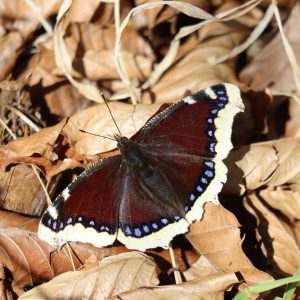
According to the Xerces Society for Invertebrate Conservation, leaves provide insulation and shelter for a variety of insects. Many native bee species nest in the ground, plant stems, or pieces of wood. Many moths and butterflies overwinter in leaves and soil in the form of eggs, cocoons, or caterpillars, some of which will forage on leaf litter. Others, such as the mourning cloak butterfly (Nymphalis antiopa), overwinter as adults in brush piles. Fireflies— which are experiencing population decline across the country—spend 1 to 2 years in their larvae form, the immature, worm-like stage of their life cycle. They feed on snails and worms found in leaf litter and soil. If you rake and bag your leaves in the fall, you may be removing these insects from your yard.
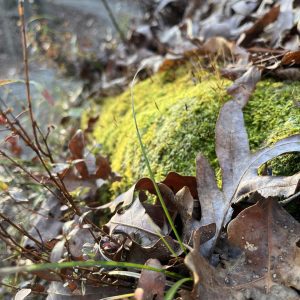

Many bird species—such as the eastern towhee (Pipilo erythrophthalmus) and ovenbird (Seiurus aurocapilla)—forage in leaf litter. Amphibians and reptiles—such as salamanders and eastern box turtles (Terrapene Carolina) will hibernate under leaf litter. Some solitary ground-roosting bat species, such as the eastern red bat (Lasiurus borealis), may also temporarily use leaf litter to keep warm in the winter, but it is unlikely to encounter these bats outside of forested settings.
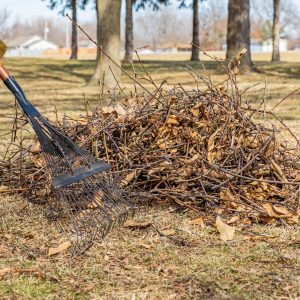
In addition to supporting pollinator and wildlife habitat, leaving a layer of leaves in your yard or mulching with leaves around trees, shrubs, and other plants can regulate soil temperature, maintain soil moisture, and provide nutrients for plants and soil microbes. The National Wildlife Federation suggests raking leaves from your sidewalks, driveways, and turfgrass and placing them in your garden beds and under native trees in 3-to-4-inch-deep layers while maintaining a few inches of space between the tree trunk and the mulch layer. You can also make piles of leaves and brush around your yard to provide additional habitat. These will decompose into compost over the winter, effectively keeping yard waste out of local landfills.
More Information
Help spread the word about the benefits of leaving the leaves in your yard. Find additional information on the National Wildlife Foundation website at www.nwf.org/Leavetheleaves or the Xerces Society website at xerces.org/blog/leave-the-leaves.