
Forestry & Wildlife

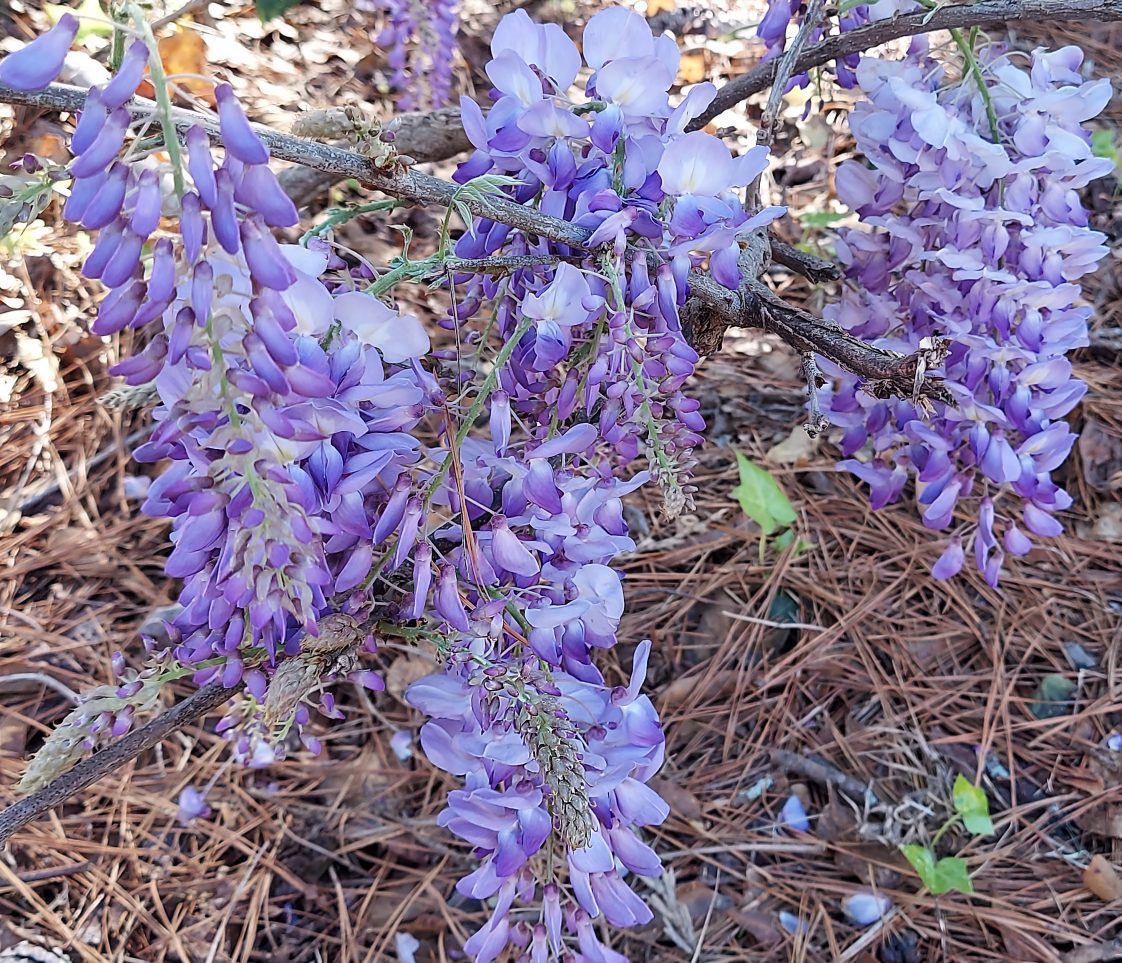
Invasive species of plants and animals have negative ecological impacts, causing billions of dollars of damage in the United States annually. According to the US Department of Agriculture, an invasive species is one that is not native to a specific ecosystem and whose introduction can cause economic, environmental, or human health problems. This definition extends to anything that contributes to the species’ spread, including seeds, eggs, and spores. Through Wild Spotter and other mitigation efforts, residents can step up to help control invasive species.
How Invasive Species Spread
A number of invasive species have been intentionally introduced to ecosystems as ornamental plants because of their aesthetics. In many cases, the introductions occurred in the past when the invasive threats to the ecosystem were not as well known. Unfortunately, some garden centers still sell invasive species.
Accidental introductions have also occurred when invasive species travel with shipments of goods. For example, imported wood used for shipping pallets or lumber may harbor invasive pests. Invasive mussels or plants that attach to boat hulls can spread from one waterbody to another. Once an invasive species enters a new ecosystem, they are difficult or impossible to eradicate. Therefore, regulations and recommendations aim to prevent their spread. Adoption of effective prevention strategies is essential to minimize the negative impacts.
Helping as a Citizen Scientist
Several years ago, the University of Georgia Center for Invasive Species and Ecosystem Health, US Forest Service, and Wildlife Forever created the participatory science project, Wild Spotter. The project’s goal is to establish the first nationwide detection system for invasive species, specifically in national landscapes and waterways. Volunteers can use the Wild Spotter smartphone app to identify and report aquatic and terrestrial invasive species. Once data is submitted through the app, experts review and verify the invasive species identified and data is published on the web-based platform EDDMapS.
It can be time-consuming and expensive to identify where invasive species populations exist, quantify the size of a population, and regularly monitor population growth or decline. Government agencies and academic researchers who focus on invasive species management often do not have the capacity to collect the amount of data needed to inform their decisions. For this reason, citizen science is an extremely important tool that can fill data gaps that could otherwise lead to gaps in management. Furthermore, citizen scientists engaged in projects like Wild Spotter become local experts who raise awareness in their communities.
Volunteering with Wild Spotter
To volunteer with Wild Spotter, register online at wildspotter.org and download the Wild Spotter smartphone app. Before submitting data, select a location for data collection. Several ongoing projects in Alabama are already established as Wild Places in the app, including the state’s national forests. However, users may choose to establish their own Wild Place, such as a local park or even a backyard. The Wild Spotter website includes how-to videos and other instructional material.
Invasive Species Ambassador Training
In February 2025, Guntersville State Park was the host site for the second annual Wild Spotter Invasive Species Ambassador Training. During the multiday training, more than 25 speakers shared their expertise on partnership building and stakeholder engagement, branding and marketing, innovative tools and technologies, volunteer coordination, and leadership community action. Training participants gained knowledge on how to incorporate Wild Spotter and additional invasive species education into the programming they conduct for nonprofits; national, state, and city parks; education centers; and Extension systems.
Registration for the next invasive species ambassadors training, planned for February 2026, should open in late summer 2025.
More Information
For more information on volunteering with Wild Spotter, visit wildspotter.org. Additional details on the ambassador training are available at invasivesfree.org/ambassadors. For more general information, visit the Invasive Species section of the Alabama Cooperative Extension System website at aces.edu.