
Forestry & Wildlife

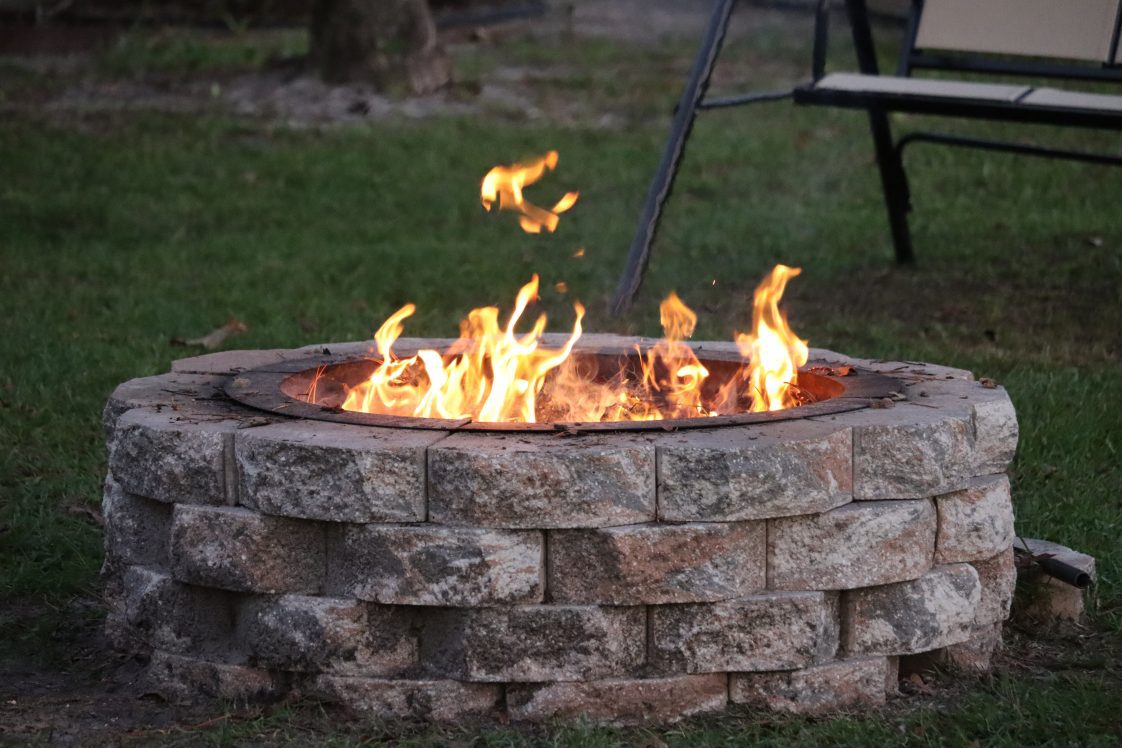
AUBURN UNIVERSITY, Ala. — As the fall air gets crisp and temperatures lower, people often have a great urge to gather outside around a fire. However, the Alabama Forestry Commission recently issued a Statewide Fire Danger Advisory because of current drought conditions. Until the state sees sufficient rainfall, they advise that people refrain from burning.
Once those rains do come and conditions improve, fire can be a great tool for entertainment or land management. Before lighting a match, there are a few burning safety measures to keep in mind.
“Before burning, always check to see if there are any burn bans in effect due to drought conditions,” said Mark Smith, an Alabama Extension forestry and wildlife sciences expert at Auburn University. “Also, watch the weather and pick an appropriate day to burn based on temperature, humidity and low wind conditions.”
Whether it is a campfire or small brush pile, there are a few instances where people may want to burn around their home. However, John Kush, a research fellow in the Auburn College of Forestry, Wildlife and Environment, said people should first check with their local fire department to see if burning is allowed in their area.
“Communication is critical,” Kush said. “I’ve found that most fire departments are willing to talk to you and let you know what options you might have. There may be restrictions for certain times of the day, weather conditions and other local issues.”
Talking with the fire department ahead of time will also avoid confusion and having the department being unnecessarily dispatched should someone call and report the fire. Kush said there is also a potential monetary fine associated with burning in a restricted area.
Backyard Burning
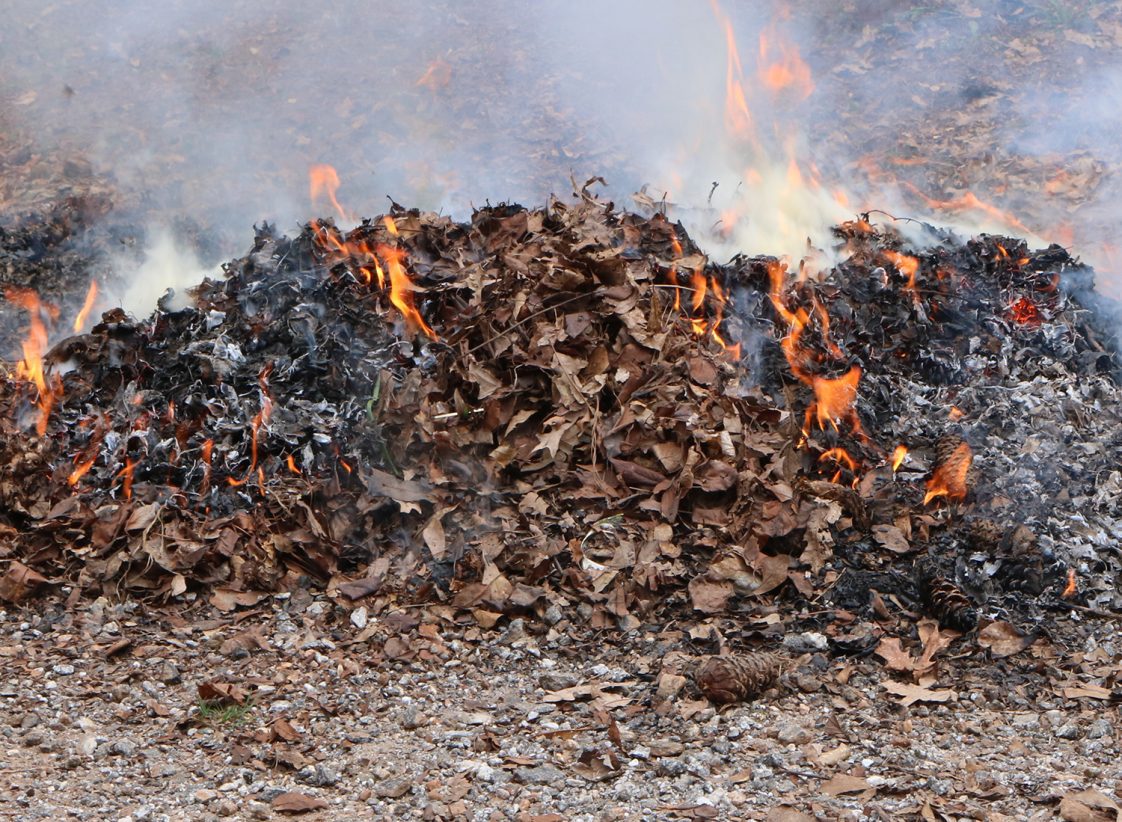
The U.S. Forest Service recommends having 10-foot clearance of gravel or dirt around a burning area.
If burning is allowed in the area, safety should be the No. 1 priority in any instance.
Campfires and fire pits are great to gather around on chilly, fall nights. However, placing them in the wrong areas or leaving them unattended could end in disaster. Auburn Fire Department Battalion Chief Jay Gibbs said the safest location for backyard burning is an area far away from structures and free of debris, such as leaves, dry grass or pine straw.
“Ideally, use a manufactured or preapproved fire pit, as it helps contain the fire and reduces the risk of it spreading,” Gibbs said. “Be sure the area surrounding the fire pit is also clear of any combustible materials.”
In case a fire needs to be extinguished quickly, Gibbs recommends keeping a garden hose nearby.
“Hand tools, such as rakes, shovels and other garden implements, can also be helpful with removing combustible materials from the area and with throwing dirt onto the fire if needed,” Gibbs said.
Brush Piles
When burning brush piles, the U.S. Forest Service recommends keeping piles to a maximum of 4 feet by 4 feet. People can also use a burn barrel instead. No matter the method, the Forest Service also recommends an overheard clearance that is at least three times the height of the pile and a 10-foot clearance of gravel or dirt around the burning area.
After use, people need to extinguish all fires. According to the Forest Service, people should use the drown, stir, drown and feel method.
- Drown. Pour water until the hissing stops.
- Stir. Use a shovel to mix the water into the embers until they aren’t smoldering.
- Drown. Continue to add water, dirt and sand until all material is cool.
- Feel. Hover the back of a hand over the ashes to ensure they are cool and the fire is out.
Visit smokeybear.com for more information.
Repurposing Debris
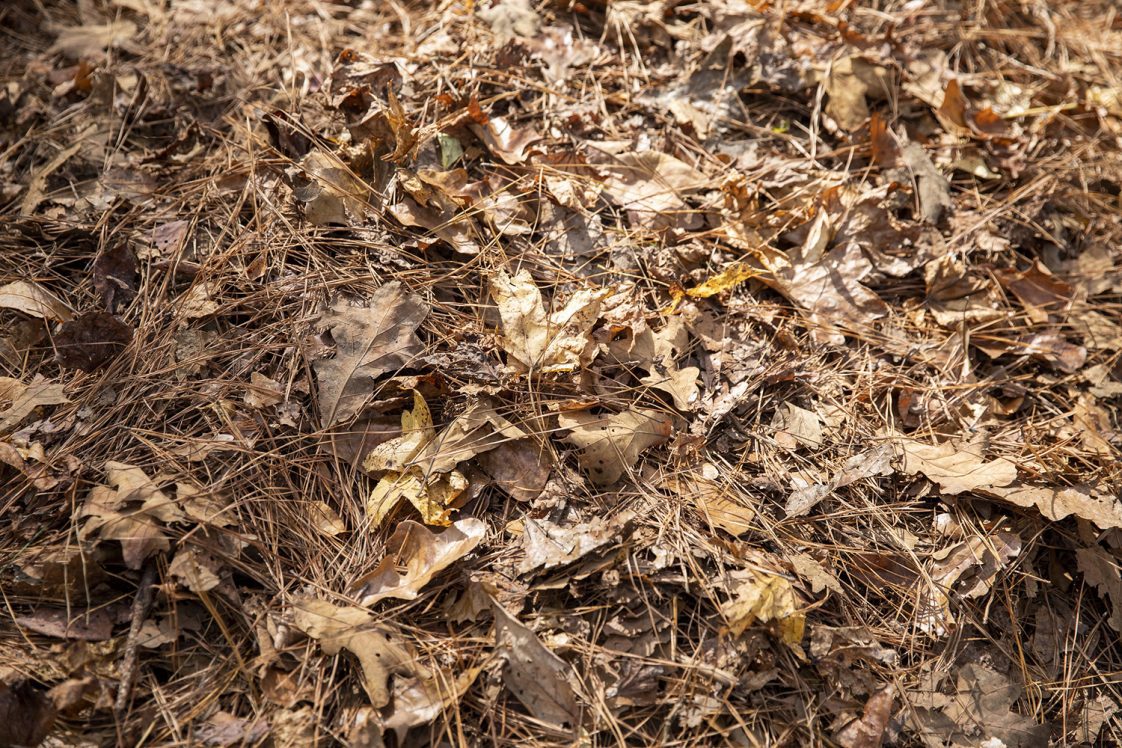
Read the Alabama Extension publication, “Recycling Leaves,” for guidelines on using leaves as mulch or compost.
Some homeowners and gardeners may consider burning yard debris as part of their fall cleanup. If an area does not allow burning, people can repurpose and reuse a lot of debris throughout the landscape.
“Leaf litter and pine needles are natural and beneficial mulches that should be left and placed around trees and other plants,” said Shane Harris, Tallapoosa County Extension director. “Besides, they are free for use when compared to purchasing decorative mulch and pine straw, which can be expensive.”
People can also repurpose larger yard items, such as tree limbs and sticks, as wildlife habitat structures. According to the publication, “Attracting Wildlife to Your Backyard,” these types of brush piles are attractive to several wildlife species. These include cottontail rabbits, box turtles and white-throated sparrows. Visit aces.edu to read the full publication.
Large-Scale Burning
Prescribed burning is when landowners use fire to improve land and wildlife conditions. This has long been used as a management tool but comes with its own set of safety precautions.
“For large-scale burning, it is highly recommended that landowners adhere to the Alabama Prescribed Burn Act requirements,” Smith said. “This includes having a certified prescribed burn manager to supervise the burn, a written burn plan and a burning permit issued by the Alabama Forestry Commission to reduce liability.”
For landowners looking to burn brush piles, Smith recommends breaking down larger piles, so the fires are smaller and more manageable. Also, as a safety precaution, alert the local fire department of your burning plans ahead of time, and be ready to call them if the fire gets out of hand.
Visit the Forestry & Wildlife section of the Alabama Extension website for more guidance and resources on burning.