
Forestry & Wildlife

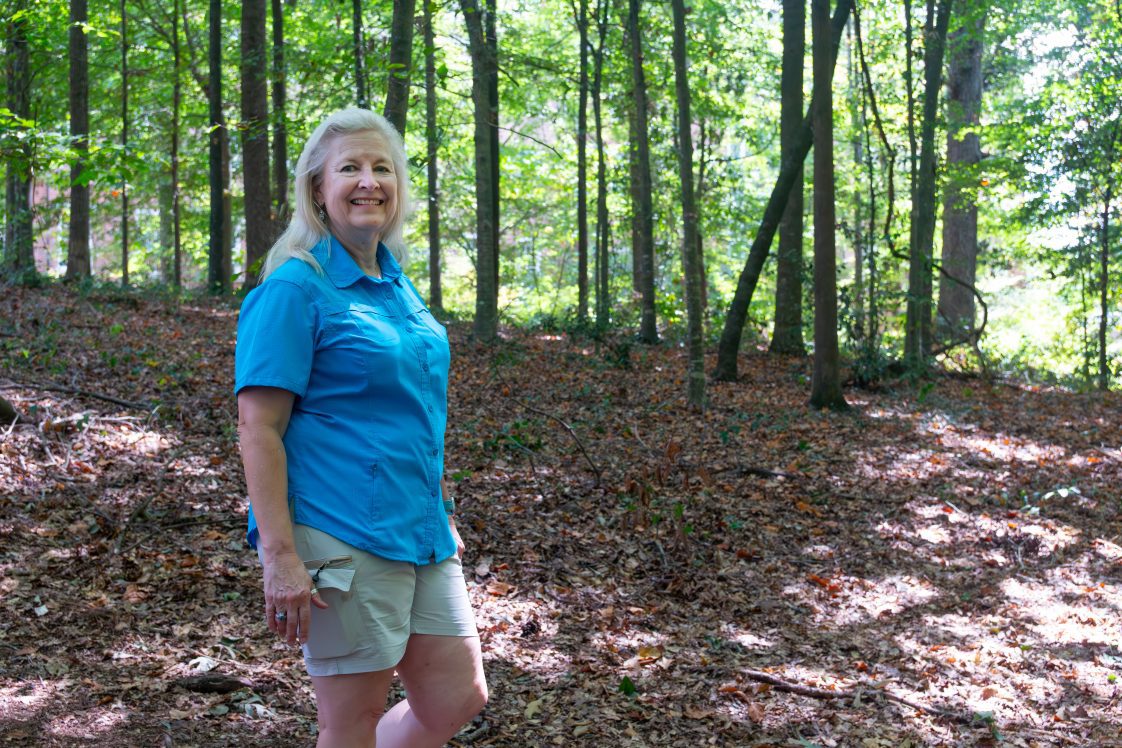
 AUBURN UNIVERSITY, Ala. — Birds of a feather flock together. As owner of six birds that star in the wildlife education outreach programs that she leads, Valerie Castanza knows that saying is true.
When it came time to find her own flock of like-minded, conservation-loving people, Castanza turned to the newly redesigned Alabama Master Naturalist program. Upon completing the program’s online educational courses and volunteer hours, she became a certified Alabama Master Naturalist in spring 2025.
“This was a wonderful opportunity,” Castanza said. “I already do a lot of work with raptors, but this program showed me the full extent of Alabama’s biodiversity. I learned so much about salamanders, fish and endemic species — all topics I would not have been exposed to otherwise.”
Through the program, Castanza also found a larger community dedicated to understanding, respecting and promoting awareness of Alabama’s natural world. That community includes Wesley Anderson, a wildlife specialist with Alabama Extension at Auburn University, who helped recreate the Alabama Master Naturalist program.
“The response to relaunching the Alabama Master Naturalist program has been overwhelmingly positive,” Anderson said. “Alabama is a really special place. We are one of the most biodiverse parts of the country, and we are the most biodiverse state east of the Mississippi River.”
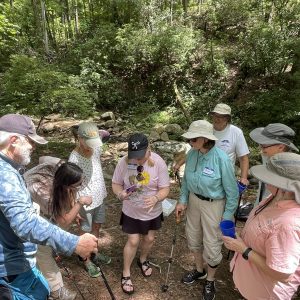
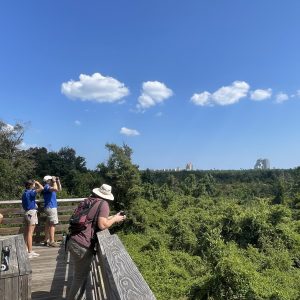
Class participants learn to appreciate Alabama’s biodiversity during in-person field days. Plus, volunteer work allows them to put their conservation hopes into action.
Working to Remove Invasives
People can earn volunteer hours in numerous ways — from helping with educational programs and maintaining park trails to removing invasive plants.
“An invasive species is one that was moved by humans, whether intentional or unintentional, that causes negative impacts to the environment, the economy or human health,” Anderson said. “Through the Alabama Master Naturalist program, participants are learning what invasive species are. Plus, they are working with our partner organizations, like Alabama State Parks, to help with invasive plant removal.”
Anderson said early detection and rapid response can help stop a new invasive species from becoming established. In cases where the species is already well established, he said complete elimination may not be possible. That’s why the volunteer work of Alabama Master Naturalists is critical for managing a species’ potential negative impacts.
“Our environment is pretty damaged,” Anderson said. “Overall, invasive species — both plants and wildlife — are some of the biggest threats to biodiversity around the world. People are only going to save what they care about, and they’re only going to care about what they know about. That’s why it’s so important to educate through programs like Alabama Master Naturalist. It’s really the first step in making sure we keep Alabama special.”
Looking to the Future
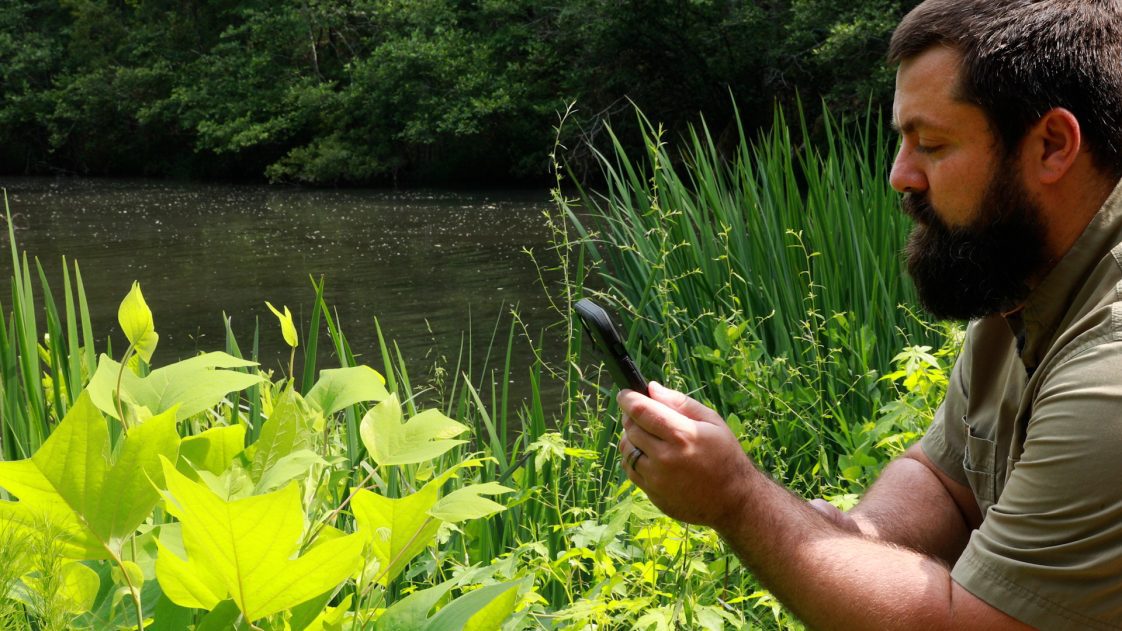
Wildlife Specialist Wesley Anderson of Alabama Extension at Auburn University helped relaunch the Alabama Master Naturalist program.
Anderson said he’s looking forward to what’s to come as the Alabama Master Naturalist program continues to expand.
“People from all walks of life have expressed interest in becoming certified,” Anderson said. “I know there’s the potential for Alabama Master Naturalists to have many positive impacts all across the state.”
As a trailblazer in the newly relaunched program, Castanza is excited to welcome more certified individuals to the flock.
“Alabama has it all — from mountains to ocean and everything in between,” Castanza said. “There’s something for everybody in our natural world. You can learn to appreciate that even more as an Alabama Master Naturalist.”
Extension Does That!
Want to help Castanza, Anderson and many others keep Alabama special? Visit the Alabama Master Naturalist Program web page at aces.edu for information on becoming a certified Alabama Master Naturalist.
Whether it’s fighting back against invasive species or clearing trails for hikers and birdwatchers, Extension does that thanks, in part, to the Alabama Master Naturalist program. And creating beautiful pollinator gardens? Extension does that, too. Or helping farmers build better soil fertility? That’s another thing Extension does. Discover those stories and more at aces.edu/discover.
-
-
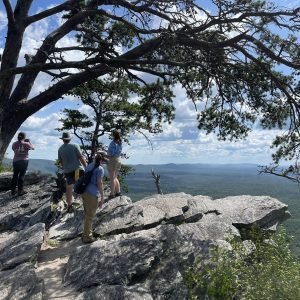
Alabama Master Naturalist program
participants enjoy an in-person
field day at Mount Cheaha.
-
-
In-person field days are an
important part of the
Alabama Master Naturalist program.
-
-
Alabama Master Naturalist program
participants enjoy an in-person
field day at Gulf State Park.