
Forestry & Wildlife

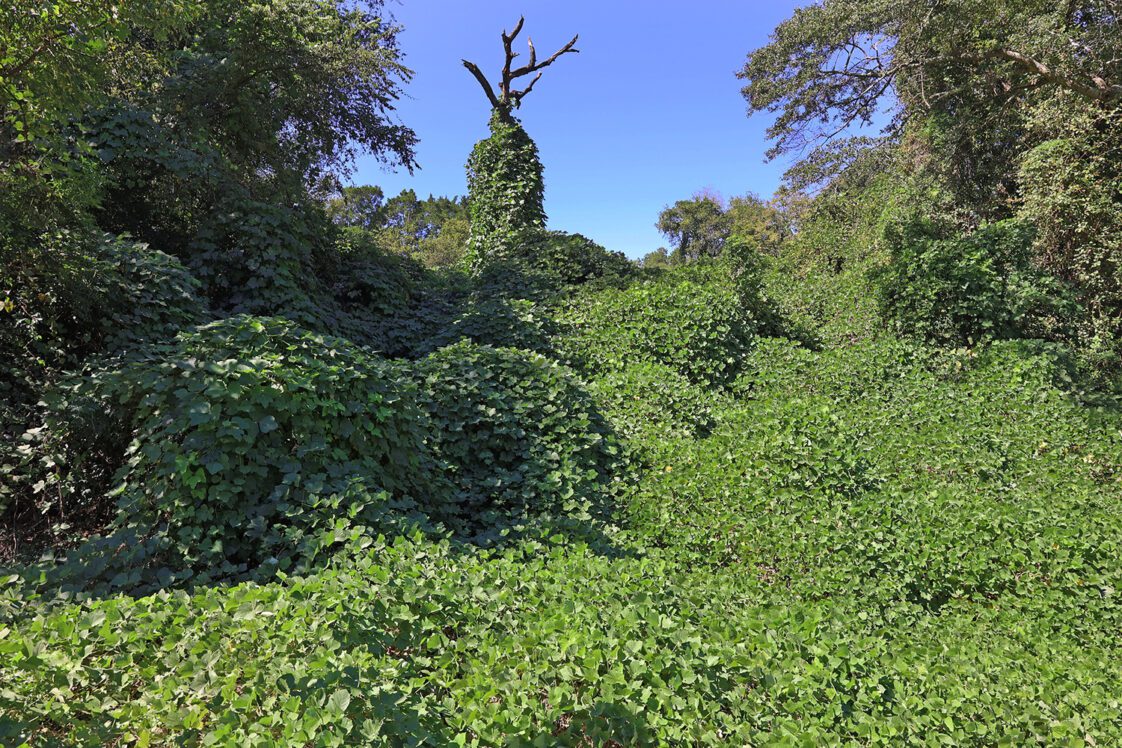
AUBURN UNIVERSITY, Ala. — From bamboo to kudzu, Alabama landscapes are full of invasive plants. Whether introduced accidentally or intentionally, these plants are costly reminders of the harm native ecosystems sustain each year. To bring awareness to this issue, the Alabama Cooperative Extension System created the 2026 Year of Invasive Plants project. This effort is led by Kerry Steedley and Norm Haley, forestry, wildlife and natural resources Extension agents at Auburn University.
Impact on Alabama
 Known as America’s Amazon, Alabama is one of the most biodiverse states in the country. It ranks No. 1 in freshwater diversity and No. 4 in overall native plant, animal and insect diversity. Steedley said invasive plants threaten many aspects of this biodiversity.
“When invasive plants are dominant in a landscape or aquatic system, they can displace native species and disrupt the ecosystem,” Steedley said. “This can limit the availability of wildlife or insect food sources. It can also create physical barriers that prevent natural patterns of movement and reduce habitat connectivity.”
The project will highlight a different invasive plant each week, sharing information on its impact and control. The Forestry, Wildlife and Natural Resources team will share these features on their Facebook and Instagram accounts, as well as the project’s web page on the Alabama Extension website. The public’s involvement will also be a large part of the project. People can pledge to help raise awareness and control invasive plant species in their communities.
“Invasive plants can be found throughout Alabama, and they will not go away on their own,” Haley said. “This project will help participants identify some of the top invasive species in the state along with the tools needed to reduce their density and spread.”
Get Involved
To take the pledge and report local successes in removing invasive species, visit aces.edu/go/YearofInvasivePlants. On the web page, people will also find resources on invasive plant control and a list of workshops and volunteer events. As they are planned, more workshops and volunteer opportunities will be added to the page.
“Invasive plants directly compete with Alabama’s native plants,” Haley said. “Getting involved in this project will help foster ecosystem function, producing cleaner air and water and healthier, more abundant wildlife.”