
Food Safety

It is Thanksgiving, and the centerpiece of the meal—the turkey—just isn’t cooking as quickly as you expected. Don’t worry! You are not the first to face a slow-cooking bird, and you won’t be the last. With a few safe and practical adjustments, you can still serve a delicious, fully cooked turkey that keeps your family and guests healthy and happy.
Don’t Rush It
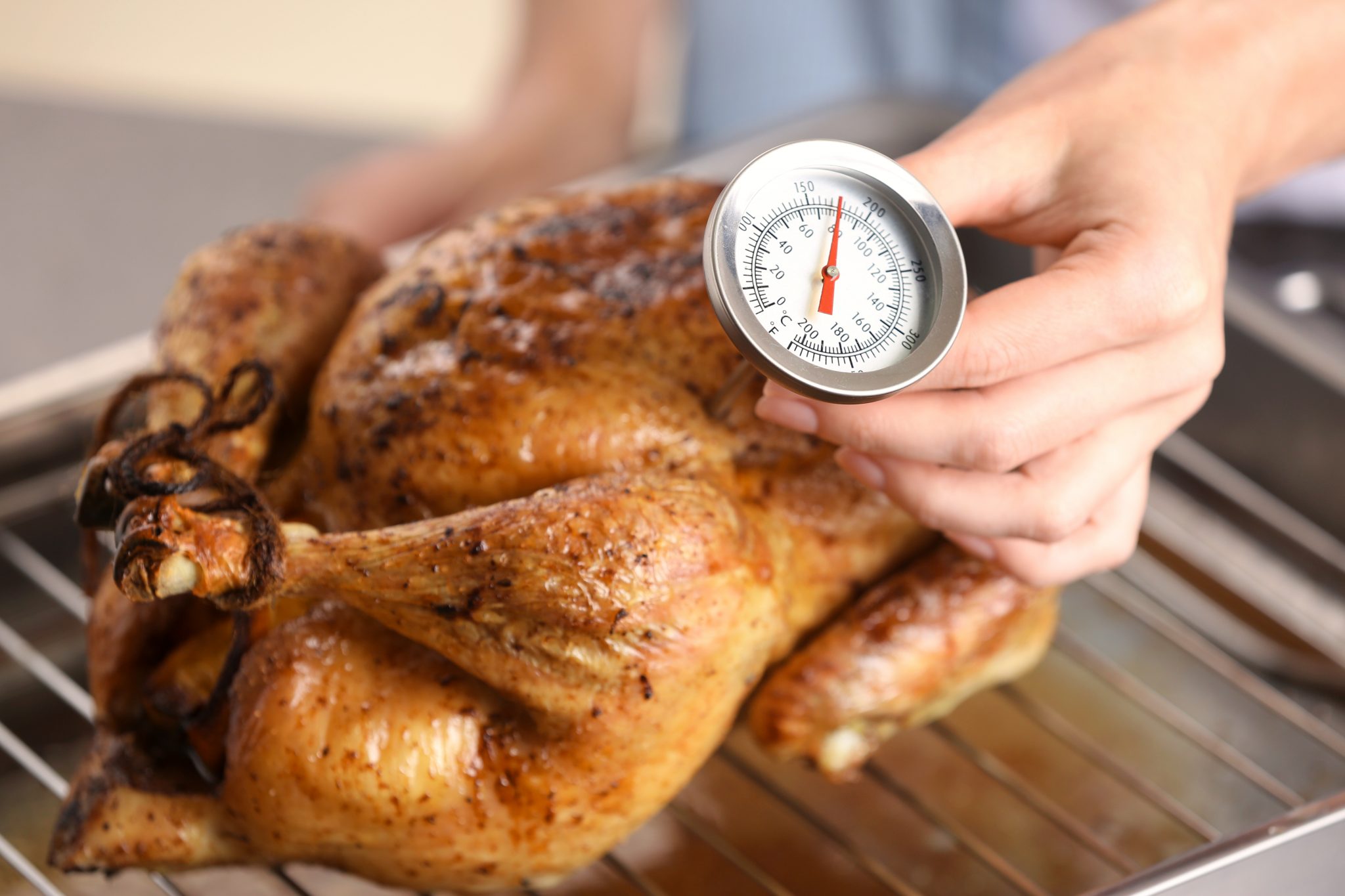
 Never serve a turkey that hasn’t reached a safe internal temperature. Turkey must reach 165 degrees F in the thickest parts of the breast, thigh, and wing before it is safe to eat. Use a food thermometer to check the temperature. Never use color or texture to check for doneness; this isn’t reliable. If your turkey is taking longer to cook than expected, the following are some safe solutions:
Cut it up. If you are running behind, consider cutting the turkey into smaller pieces, such as breasts, thighs, and wings. Smaller parts cook faster and more evenly than a whole bird. Roast at 325 degrees F until each piece reaches an internal temperature of 165 degrees F.
Spatchcock your turkey. This method involves removing the backbone and flattening the turkey before roasting. This helps the heat circulate more evenly, allowing a 12-pound bird to cook in about 70 minutes at 450 degrees F.
Consider a quick substitute. If the turkey truly won’t be ready in time, serve an alternative such as rotisserie chicken, Cornish hens, or another cooked poultry product.
Safety reminders. Keep hot foods at 140 degrees F or higher until serving. Also, always clean and sanitize surfaces, utensils, and hands after handling raw poultry to prevent cross contamination.
Enjoy a Safe and Stress-Free Thanksgiving
The key to a successful Thanksgiving meal is patience and a good thermometer! With a few adjustments and safe cooking practices, you can keep your meal both delicious and worry-free. For more holiday food safety tips, visit foodsafety.gov.