
Food Safety

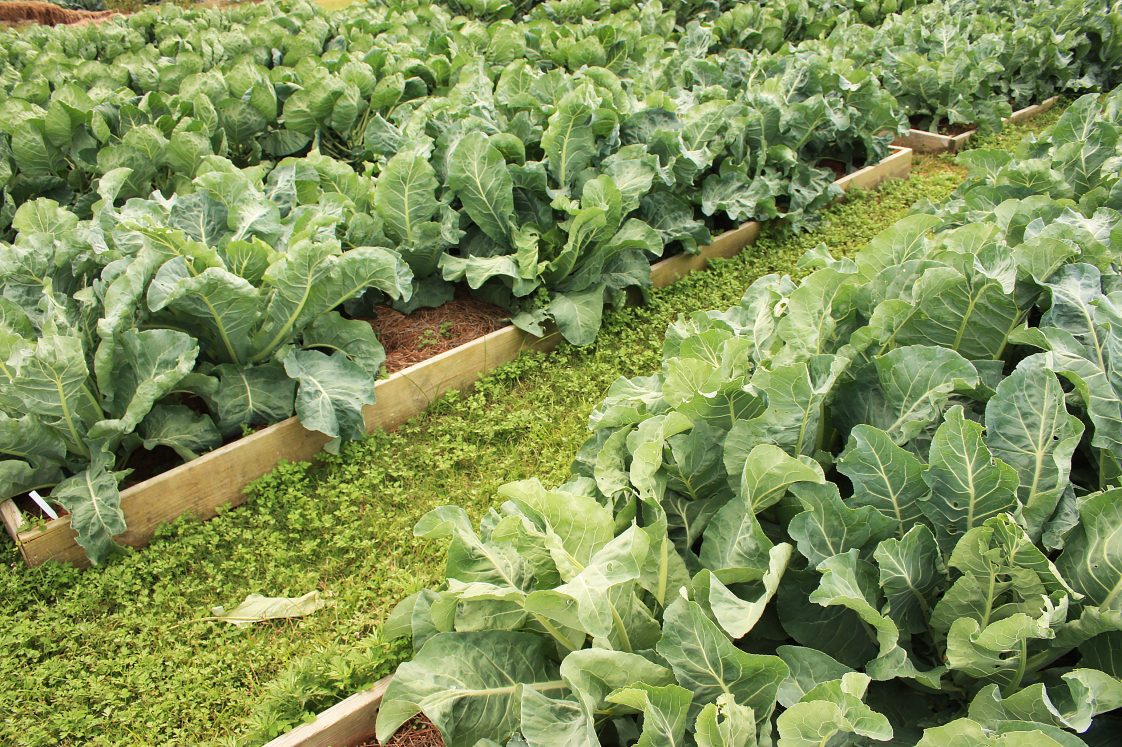
AUBURN UNIVERSITY, Ala. — Fall ushers in a season of change. As leaves turn colors and days grow shorter, the freshest produce available in Alabama also changes. In place of summer favorites, like tomatoes and peaches, it is now time to enjoy leafy greens, cruciferous vegetables and hearty squash.
Carol Connell, a human nutrition, diet and health specialist with Alabama Extension at Auburn University, said seasonal items pack a nutritious punch. For fall, that includes turnip and collard greens, broccoli, Brussels sprouts, cabbage, sweet potatoes, pumpkin, acorn squash and butternut squash.
“Fall vegetables are packed with nutrients, such as potassium, vitamins A and C, fiber and magnesium,” Connell said. “As an added bonus, naturally, they are relatively low in calories, sodium and fat. Through proper preparation, these vegetables can be extremely healthy options for your family.”
Preparing Fall Produce
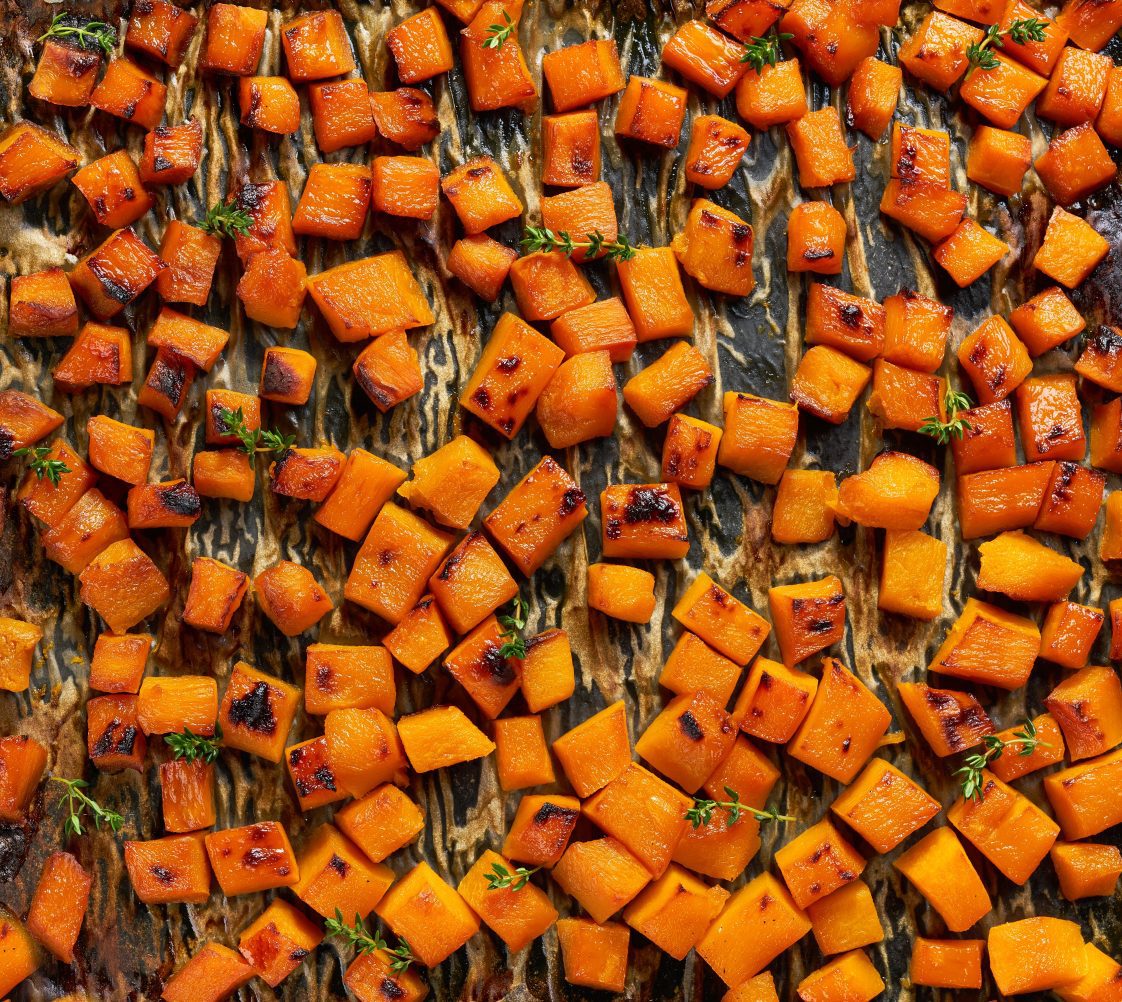 Enjoying a seasonal side this time of year is simple. Connell said roasting is a quick and easy way to prepare acorn squash, sweet potatoes, Brussels sprouts or broccoli.
“Cut the vegetables into chunks and spread them out on a sheet pan,” Connell said. “Brush them with olive oil and sprinkle with a salt-free table blend of herbs and spices. Then, roast them in a preheated oven. That’s how easy it is to create a savory, nutrient-packed dish for any meal.”
To avoid turning on the oven, Connell said seasonal vegetables can also be steamed in the microwave. Place chunks of seasonal vegetables in a bowl with a small amount of water in the bottom. Cover with plastic wrap, leaving one corner loose to allow steam to vent. Microwave on high for three minutes.
“After those three minutes, check for doneness,” Connell said. “Don’t let your vegetables get mushy. Instead, steam them until they are just fork-tender. This preserves more of the water-soluble and heat-sensitive nutrients, such as vitamin C and various B vitamins.”
For fresh fall greens, properly rinsing the leaves is a necessary step. Dani Reams, a food safety and quality Extension agent, said it is important to use water that is the correct temperature.
“If the water is too cold or too warm, it can draw contaminants into the produce,” Reams said. “To prevent this, use cool, running tap water. Remember to remove damaged or wilted leaves and rinse thoroughly. Typically, it’s best to wash fresh, leafy greens just prior to preparing them.”
Reams also warned against using chemicals or soaps, unless they are specifically labeled for use in washing produce.
Safely Preserving Fall’s Bounty
Freezing, dehydrating and canning can all prolong the shelf life of fresh, fall produce.
“With food preservation, we have to emphasize the importance of using a tested and proven recipe or process from a reliable source,” Reams said. “This ensures both quality and safety of the final product. Check the National Center for Home Food Preservation for a list of recommended resources.”
For food preservation novices, Reams said freezing and dehydrating are great places to begin.
“While freezing food doesn’t typically kill foodborne pathogens, it does stop them from multiplying while the product is frozen,” Reams said. “That makes freezing safe for a variety of fruits and vegetables. Through dehydrating, you can make fruit or vegetable leathers, which even picky eaters may enjoy. Powders made from dehydrated produce can be blended into other products to add nutrients, flavor and color.”
Reams said canning is another great option, especially once freezer space is at a minimum.
“Only use tested recipes from reliable sources when canning,” Reams said. “Otherwise, life-threatening bacteria could survive the canning process. For example, pressure canning recipes for pumpkin require the pumpkin to be cut into 1-inch cubes. It would be very unsafe to can a puree using the same process because the heat distribution would be different, and bacteria spores could remain in the final product.”
Learn More
On. Oct. 28, Reams will lead a Pumpkins and Poultry workshop at the Talladega County Extension office. For more details about the event, including online registration, visit https://www.aces.edu/event/pumpkins-and-poultry.
Find a selection of sweet potatoes recipes at aces.edu/blog/topics/home-family/tasty-tidbits-sweet-potatoes/. For more recipe inspiration, search aces.edu for Tasty Tidbits.