
Food Safety

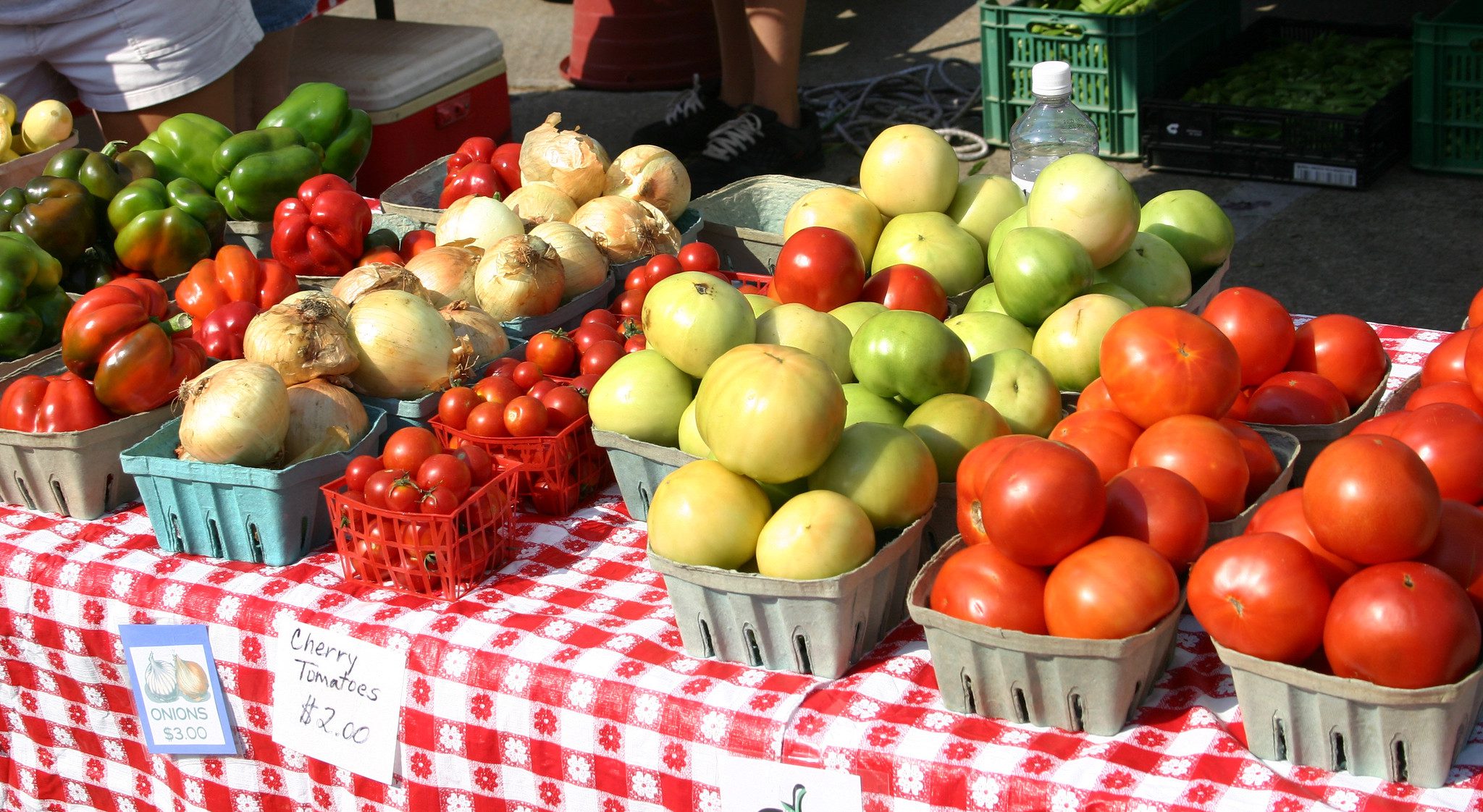
Visiting farmers markets is a fantastic way to access fresh, locally grown foods, all while supporting small farms and independent vendors. These markets often feature a wide selection of seasonal items like heirloom fruits and vegetables, herbs, homemade preserves and sauces, baked treats, and locally produced eggs, poultry, and meats. Their popularity continues to rise across Alabama, with 158 state sanctioned farmers markets operating statewide. However, because these markets typically operate outdoors and often have limited access to refrigeration and running water, shoppers should be aware of certain food safety concerns. Taking a few simple precautions can greatly reduce the chances of foodborne illness.
Observe the Vendors
To shop smartly and safely, pay attention to how vendors manage hygiene and food storage. Clean booths, proper food handling tools, covered trash containers, and the use of coolers for items that need refrigeration are all good signs. Speaking with the vendors can also give you valuable insight into how the food is grown or raised, and many are happy to answer questions or even welcome visits to their farms.
If the vendor offers samples of fresh produce, it must be kept at a safe temperature once the produce is cut to prevent contamination. Before slicing, all fresh produce must be thoroughly washed with drinkable water and then maintained at or lower than 41degrees F. Any cut produce should be discarded after 2 hours. Vendors should ensure proper hygiene by keeping the produce covered, and using clean, sanitized utensils, deli sheets, or single-use gloves over clean hands when handling or serving samples.
Fresh Produce
Fresh produce, regardless of where it is purchased (i.e., a grocery store, a certified organic farm, or a local grower) can be contaminated with harmful pathogens such as E. coli, Listeria, Salmonella, or norovirus. To minimize risk, shop early in the day for fresher picks, wash all fruits and vegetables thoroughly under running, drinkable water, and dry them with a clean cloth or paper towel. Even produce you plan to peel should be washed first to avoid transferring bacteria from the surface during preparation. Any cut or peeled produce should be refrigerated within 2 hours or within 1 hour if temperatures are greater than 90 degrees F. Avoid produce that appears moldy, bruised, or insect damaged. If you do purchase imperfect items, it is best to cook them thoroughly in soups or sauces.
Eggs and Dairy
Safe egg handling is also crucial. Eggs should be kept chilled at 41degrees F or lower and never left out at room temperature. Select eggs that are clean and free of cracks and fecal matter. If eggs are washed, dry thoroughly before storing them in a sealed container in the refrigerator.
When buying dairy like milk or cheese, always opt for pasteurized versions. Dairy products must be processed, packaged, and labeled at a facility permitted and inspected by the Alabama Department of Public Health. Soft cheeses made from raw (unpasteurized) milk—such as Brie, feta, Camembert, blue cheese, and queso fresco—can pose health risks to certain vulnerable groups, including pregnant women, children, seniors, and those with weakened immune systems. Always read labels to confirm the use of pasteurized milk. Avoid any products labeled for animal use only.
Meat
Meat products should be stored in coolers with plenty of ice. Raw meat needs to be kept cold and placed in the refrigerator or freezer within 2 hours of purchase or within 1 hour if the weather is hot. Be sure to pack raw meat separately from other food items by using different bags to avoid cross contamination.
Juice, Cider, and Honey
For items like juice and cider, choosing pasteurized products is best, especially for vulnerable populations. Pasteurization helps eliminate dangerous bacteria. Honey is another popular product sold at farmers markets but use caution and do not feed it to infants younger than 1 year old. Their digestive systems are not mature enough to prevent botulism spores from causing an illness.
Bags
Reusable grocery bags are an eco-friendly choice, but they can also harbor germs if not cleaned often. Designate separate bags for raw meats and other goods like produce or baked items. Wash reusable bags with hot, soapy water or in a washing machine and allow them to dry completely. Clean any surfaces the bags touch, and store them in a clean, dry space. Avoid keeping them in a hot car unless items are securely wrapped.
More Information
By following these simple safety tips, you can make the most of your farmers market experience—enjoying fresh, flavorful food while protecting your health.