
Food Safety

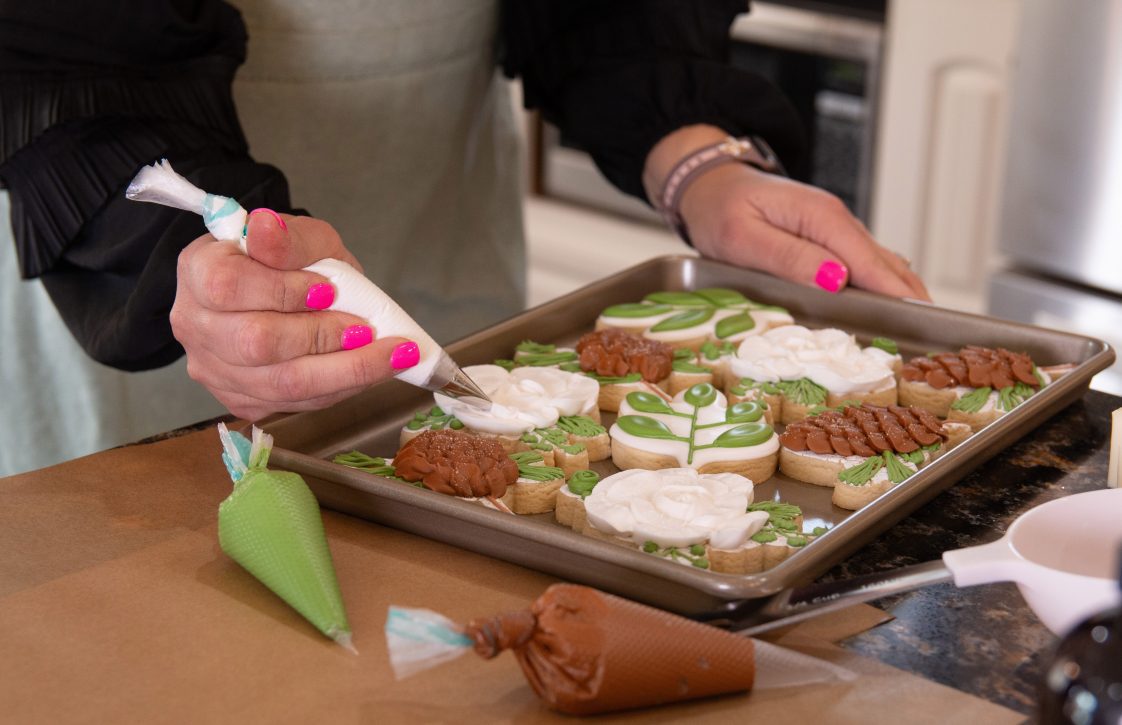
AUBURN UNIVERSITY Ala. — Alabama entrepreneurs who sell homemade foods have achieved sweet success to the tune of millions of dollars after receiving Cottage Food Law training through the Alabama Cooperative Extension System.
Under Alabama’s Cottage Food Law, individuals who produce nonhazardous foods in their homes for sale to the general public must attend a food safety course, pass a food safety exam and register with their local health department as a Cottage Food Producer. Alabama Extension offers its own Cottage Food Law educational course and testing. In 2024, nearly 1,300 people took the course and 85% of those launched entrepreneurial businesses.
“We surveyed attendees and based on their responses, those business owners projected a combined potential income of $6 million last year alone,” said Bridgette Brannon, Extension agent and coordinator for the food safety and quality team. “For some, their cottage food business may be their only income, and for others, this provides extra money for their families.”
Extension Cottage Food Law Courses
Brannon is one of seven Alabama Extension food safety and quality agents who teach Cottage Food Law courses at locations across the state. A session normally takes two to three hours and concludes with the certification exam.
“We developed the training and received approval through the Alabama Department of Public Health,” she said. “There are other options for people who want to be certified under the law, but the Extension training has several benefits. The most beneficial is that producers receive training specific to the state of Alabama as most states have their own laws.”
The cost to take Extension’s training is $25. Brannon said businesses specializing in baked goods, including breads, cakes and cookies are typically the most popular. Additionally, canned jams, jellies, pickles and salsas are top sellers.
Cottage Food Law History
The first Alabama Cottage Food Law passed in 2014. It was most applicable to baked goods and candies. In 2021, the law was amended to add more homemade items including salsas, pickles and dehydrated products. However, those items must pass a pH or water activity test that meets Alabama Department of Public Health requirements.
“It’s all about food safety,” Brannon said. “With canned items, it’s especially important. We all have older family recipes that we cherish, but they might not follow the most recent, research-based process methods and times for killing pathogens. Our training covers topics like this to help producers ensure the public is as safe as they can be.”
The certification only applies in the state of Alabama. Every three years, cottage food producers must pass the test again to renew their certification.
More Information
People who want to become certified under the Cottage Food Law can find a list of upcoming training opportunities at aces.edu/go/CottageLawBusiness. Learn more about Extension’s Cottage Food Law training through a Discover Extension YouTube video titled Cottage Food Law- How to Turn Home Baking Into a Business.