
Food Safety

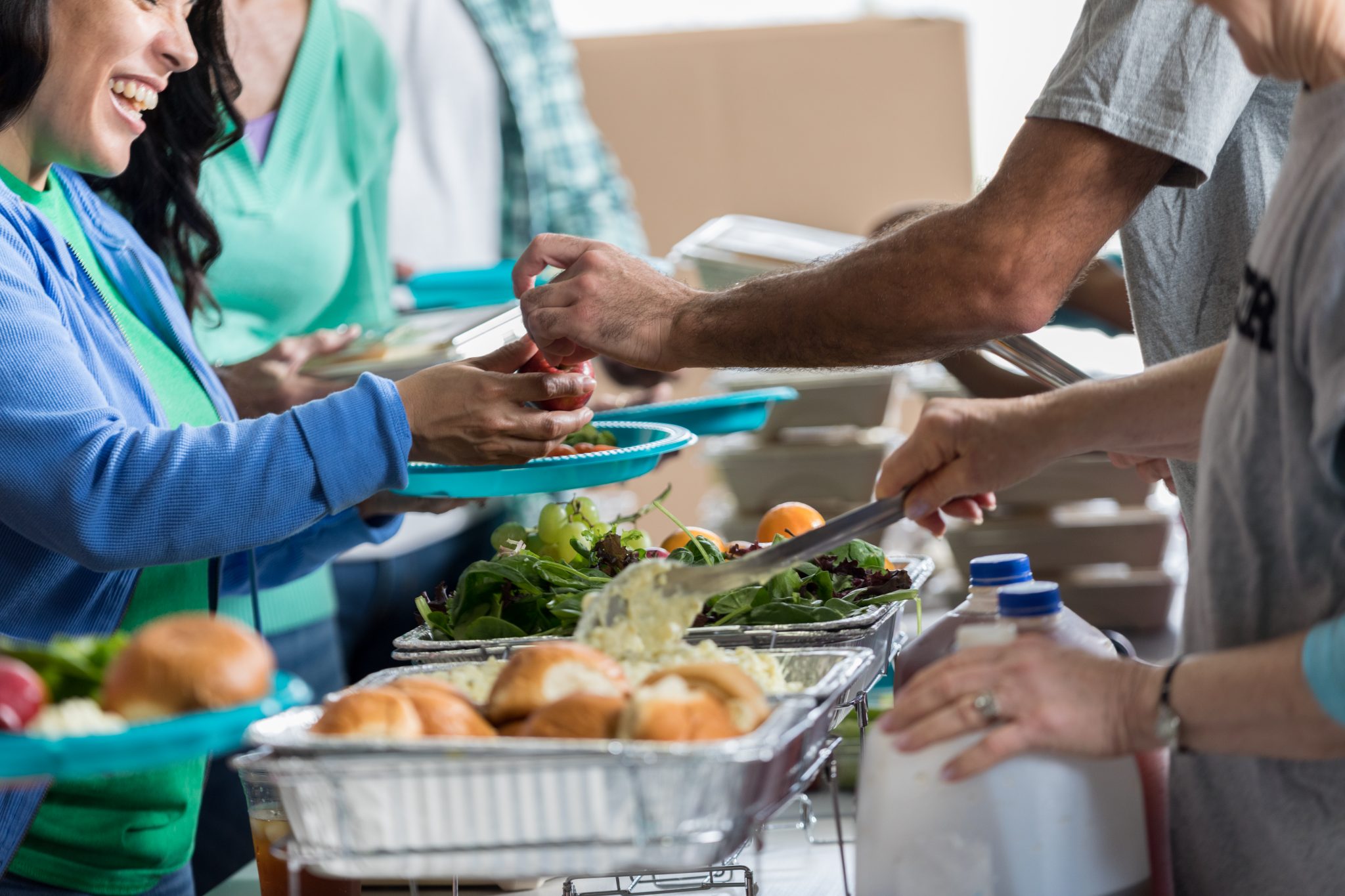
AUBURN UNIVERSITY, Ala. — Gifting homemade food, hosting family gatherings and connecting with others around a meal can make the holidays extra special. By practicing food safety when preparing, transporting and serving food, people can reduce the risk of foodborne illness this holiday season and throughout the year.
Four Pillars of Food Safety
Janice Hall, Alabama Extension specialist with the Expanded Food and Nutrition Education program (EFNEP) at Auburn University, shared practical food safety tips.
“Every day, we should use our four pillars of food safety, which are clean, separate, cook and chill,” Hall said.
Clean every surface before cooking and wash hands thoroughly with soap and warm water for at least 20 seconds, especially when touching raw food.
Separating foods during preparation and transportation is equally important. For example, after preparing raw meat, seafood or poultry, clean and sanitize any surfaces it touches, and use separate cutting boards for all food. During transportation, keep hot food hot and cold food cold.
“Preparing food separately prevents salmonella and other bacteria from contaminating other surfaces that can make people sick,” Hall said.
Cooking foods, especially meat and poultry, to the proper internal temperature is critical for preventing foodborne illness. For recommended temperatures and food safety tips, refer to the Extension publication “There’s No Place Like Home for Food Safety.”
The final step in handling food safely is chilling it. A good rule of thumb is to never leave food out at room temperature for more than two hours. After this point, food reaches the danger zone of 40 to 140 degrees Fahrenheit, where bacteria are known to grow very rapidly. In fact, bacteria can double every 20 minutes in this temperature range. Be sure to refrigerate food after those two hours to reduce the risk of foodborne illness.
“In that danger zone, you are fighting a losing battle to keep food safe, especially if you’re not practicing food safety during the preparation process,” Hall said.
Practicing food safety helps families enjoy the holidays without interruptions from foodborne illness, especially for young children, older adults, pregnant women and people with weakened immune systems. These groups are more vulnerable to foodborne illness, making proper food handling, cooking and storage essential.
Making Holiday Food Safe and Nutritious
For many families, sharing homemade dishes is a cherished holiday tradition. Following food safety practices helps ensure everyone can enjoy these dishes safely.
“The holidays are a very special time for friends and family gatherings,” Hall said. “Think of food safety as one of the key ingredients that makes every bite count.”
Preparing meals at home also encourages healthier ingredients and nutrition-focused choices. For more helpful recipes and nutritional tips, visit aces.edu and search for “Tasty Tidbits.”