
Fish & Water

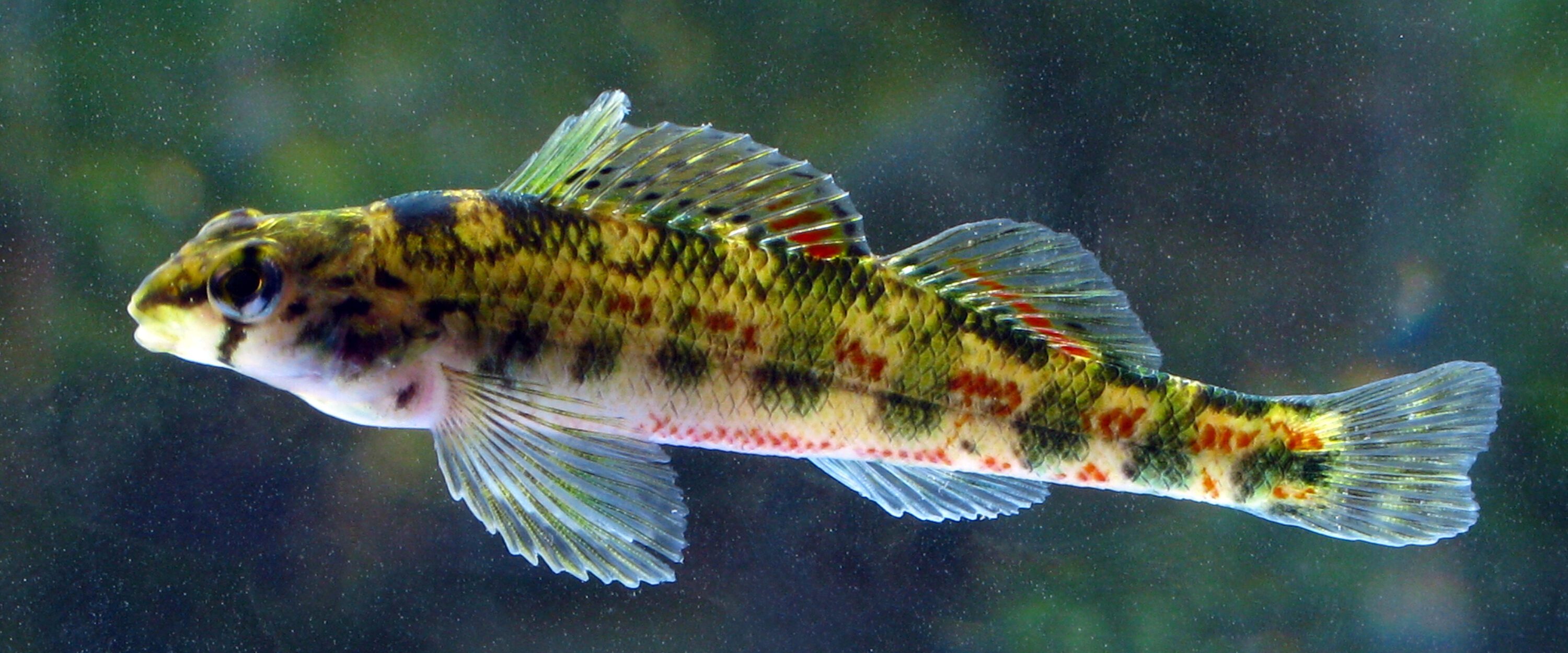
Alabama’s Cahaba River basin is one of the most biodiverse aquatic ecosystems in Alabama, hosting a wide variety of native aquatic species, including fish, mussels, snails, plants, and crayfish. Many of these species are endemic to Alabama, and dozens are federally endangered or threatened, meaning they face a high risk of extinction now or in the near future. This publication features photographs and descriptions to help you learn about some of the species that are native to the Cahaba River basin and their importance to the ecosystem.
At 194 miles long, the Cahaba River is the longest free-flowing river in Alabama. Starting near the bustling city of Birmingham, it flows through three physiographic regions (the Appalachian Plateau, the Ridge and Valley, and the Coastal Plain) and eight counties before it merges with the Alabama River in Cahaba, Alabama. The length of the river as well as the diverse geographic regions it spans, from mountains to flat coastal plains, contribute to the Cahaba’s astounding aquatic biodiversity.
Aquatic Organisms in the Cahaba River
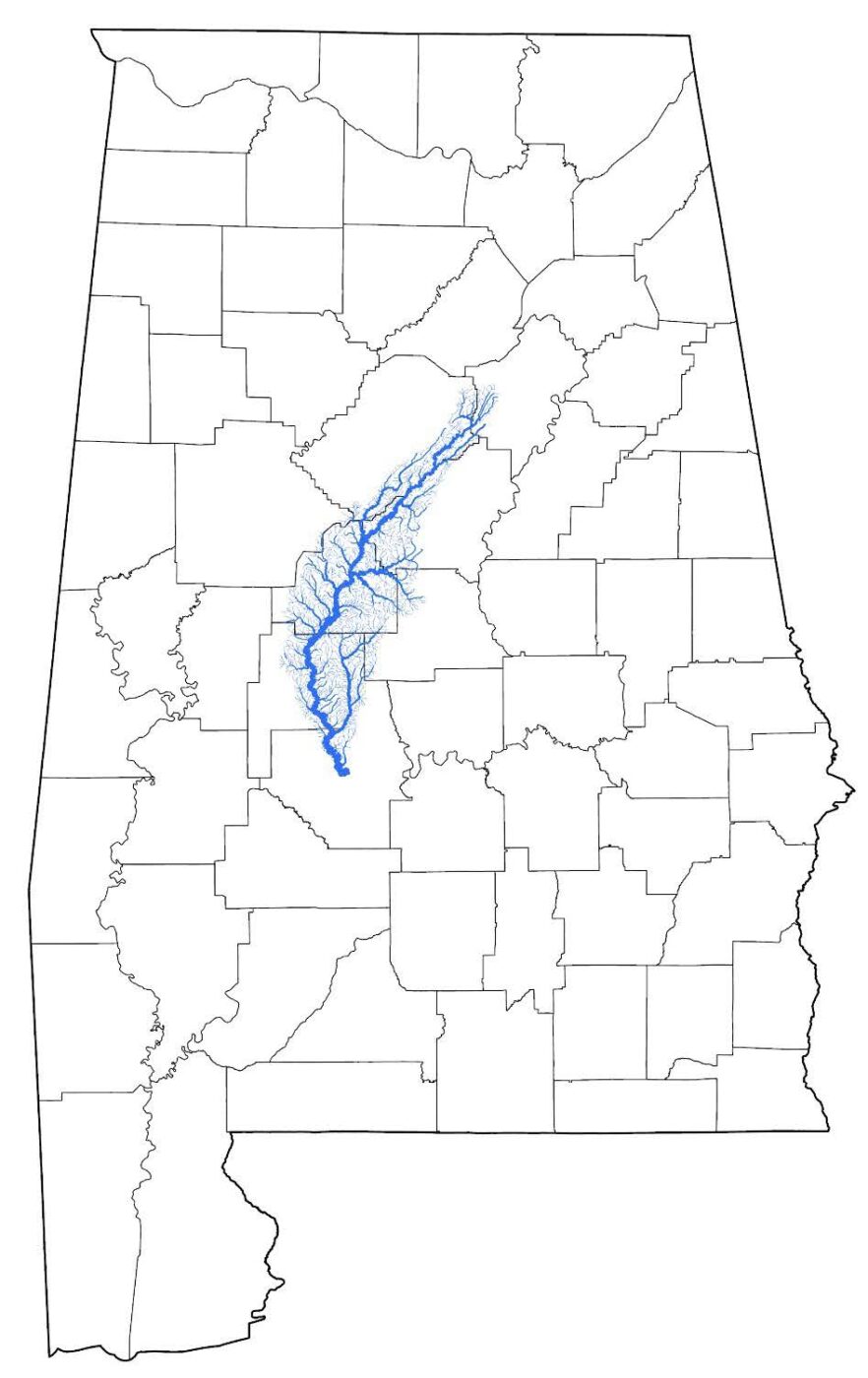
Figure 1. Cahaba River basin
There are many endemic species in the Cahaba River basin that are found nowhere else in the world. Alabama ranks number one in the United States in diversity of freshwater fish, freshwater mussels, freshwater snails, and crayfish. The Cahaba River contributes to this biodiversity by supporting 135 known fish species, 69 rare or imperiled plant species, 48 freshwater mussel species, 17 crayfish species, and 32 freshwater snail species. Unfortunately, these aquatic inhabitants face many anthropogenic, or human-caused, issues that threaten their survival in these waters. Aquatic species are often threatened by point source and nonpoint source pollutants. Point source pollution refers to a single, identifiable source of pollution (like a pipe or factory). Nonpoint source pollution occurs when rainfall or snowmelt moves over a landscape as runoff. Stormwater runoff picks up and carries natural and human-made pollutants, depositing them into lakes, rivers, wetlands, coastal waters, and groundwaters. Nonpoint source pollution (such as from sedimentation, excessive nutrients, stormwater runoff, and locks and dams) is much more difficult to address and is a threat to Cahaba’s delicate ecosystems and inhabitants.
Protecting the smaller inhabitants of the Cahaba River from these threats is essential to their survival and to the many important ecosystem services they provide to the Cahaba River basin. Preserving healthy waterways also supports outdoor recreational activities, such as swimming, fishing, and boating, while also protecting source drinking waters.
Fish of the Cahaba River
The Cahaba River supports 135 known fish species, eighteen of which are endemic to the Cahaba River basin (figure 1). Fish play a vital role in regulating the food web in aquatic ecosystems such as the Cahaba River. They act as predators and consume smaller fish and invertebrates, keeping populations in check, and are also a vital food source for larger fish, such as recreationally important bass, mammals, birds, and other organisms. Additionally, many fish in the Cahaba are a vital part of the life cycle of freshwater unionid mussels, many of which are facing extinction, as they transport mussel larvae up and down the river and act as a host for the larvae.
Cahaba Shiner (Paranotropis cahabae)
Named for the river it inhabits, the Cahaba shiner (figure 2) is a small fish endemic to the Cahaba River basin and the Locust Fork River within the Black Warrior River basin. While it may look similar to the mimic shiner (N. Volucellus), the Cahaba shiner has a lateral stripe along the side of its body and is light olive brown with a silver hue on its belly. It is federally listed as an endangered species, and its original 76-mile range has now drastically decreased to less than 15 miles. The Cahaba shiner lives in shallow shoals and riffles with sandy or rocky substrates and faces many stressors, including pollution and sedimentation from urban expansion.
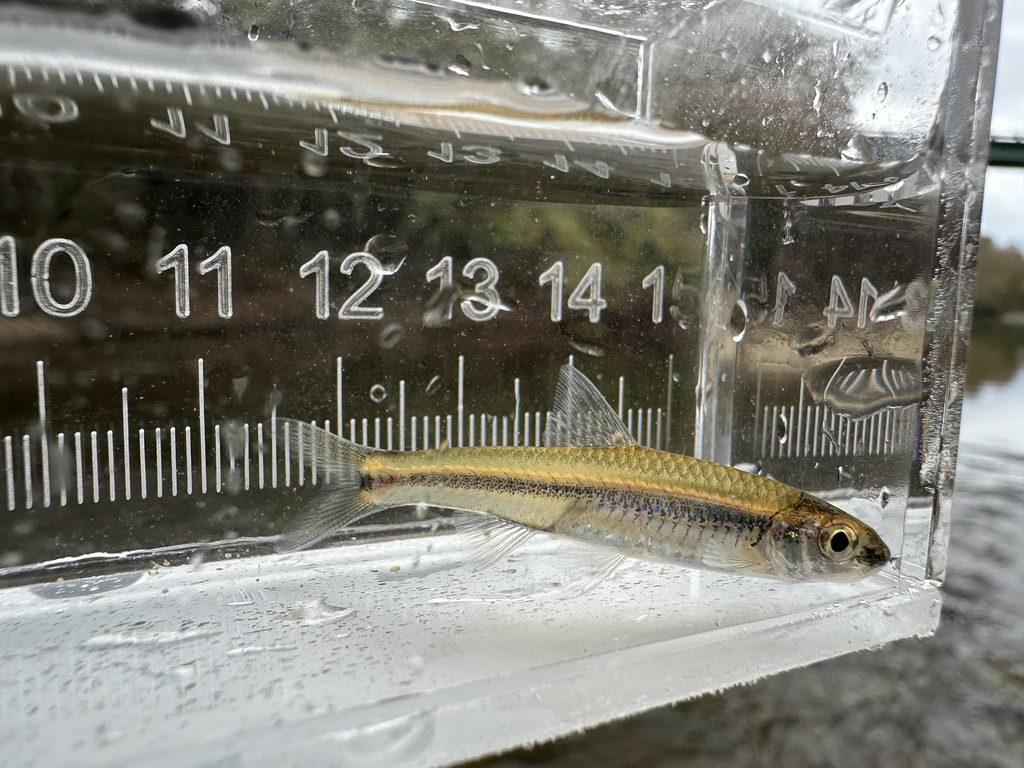
Figure 2. Cahaba shiner (Photo credit: Brittany Barker-Jones, US Fish and Wildlife Service)
Goldline Darter (Percina aurolineata)
The goldline darter (figure 3) is endemic to the Cahaba River and is found only in one other isolated river in Georgia (Coosawattee River). It is listed as a federally threatened species and is jeopardized by increasing sedimentation in the Cahaba River. True to its name, the goldline darter has a gold-colored stripe extending from its head to tail. This small fish is distinguished from other darters by an amber or russet stripe extending from its head to its dorsal fin, with males forming bright yellow colors around their tails.
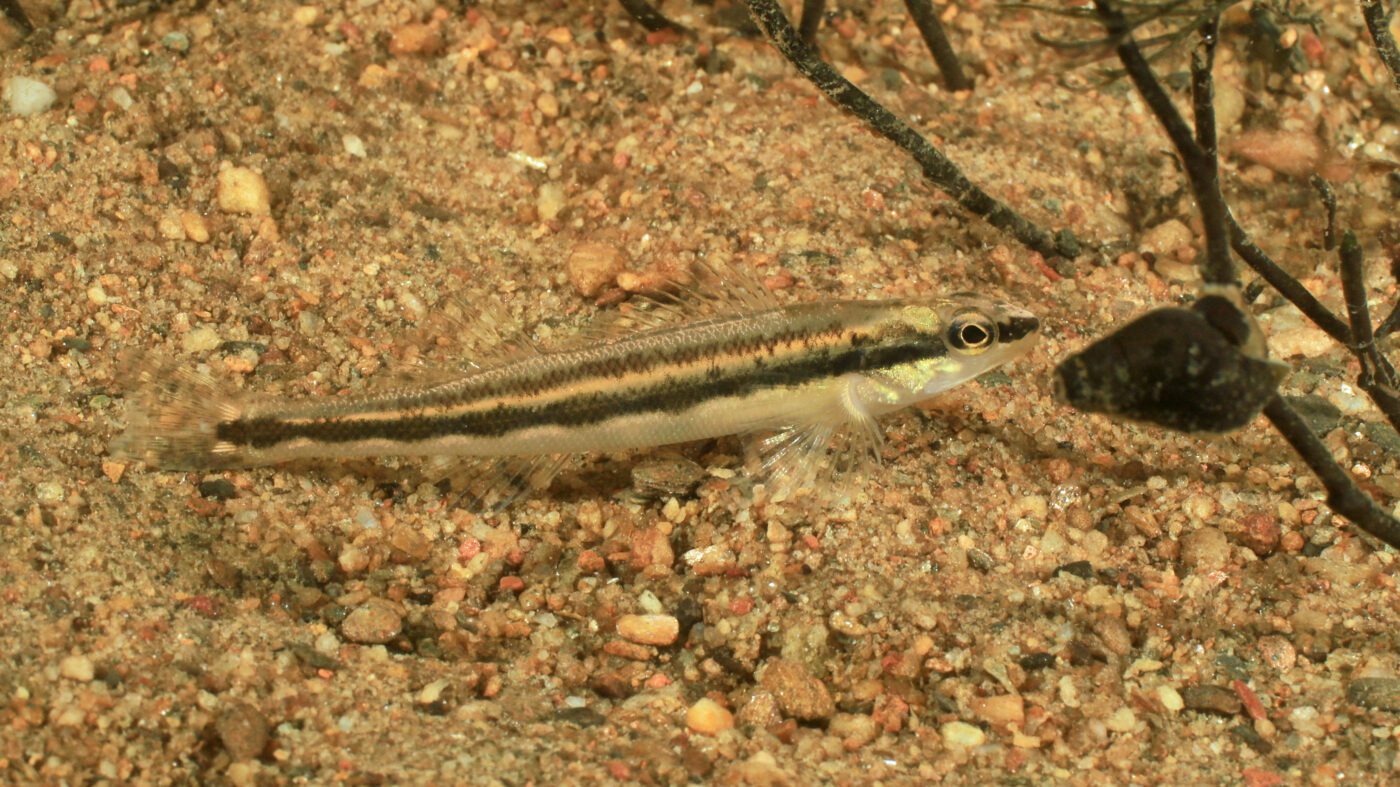
Figure 3. Goldline darter. (Photo credit: Alan Cressler)
Bluenose Shiner (Pternonotropis welaka)
The bluenose shiner (figure 4) is a beautiful, small fish found in vegetated streams and pools in isolated populations throughout Alabama, including the Cahaba River. Male bluenose shiners develop spectacular colors that include a bright blue nose and enlarged fins with colors ranging from deep black on their dorsal fin to yellow and black on their pelvic and anal fins. Additionally, the scales on the side of males’ bodies are highlighted by bright silver spots during breeding season, which lasts from May to August or September. Interestingly, bluenose shiners are a nest associate of sunfish, meaning they will lay their eggs in sunfish nests and help protect them.
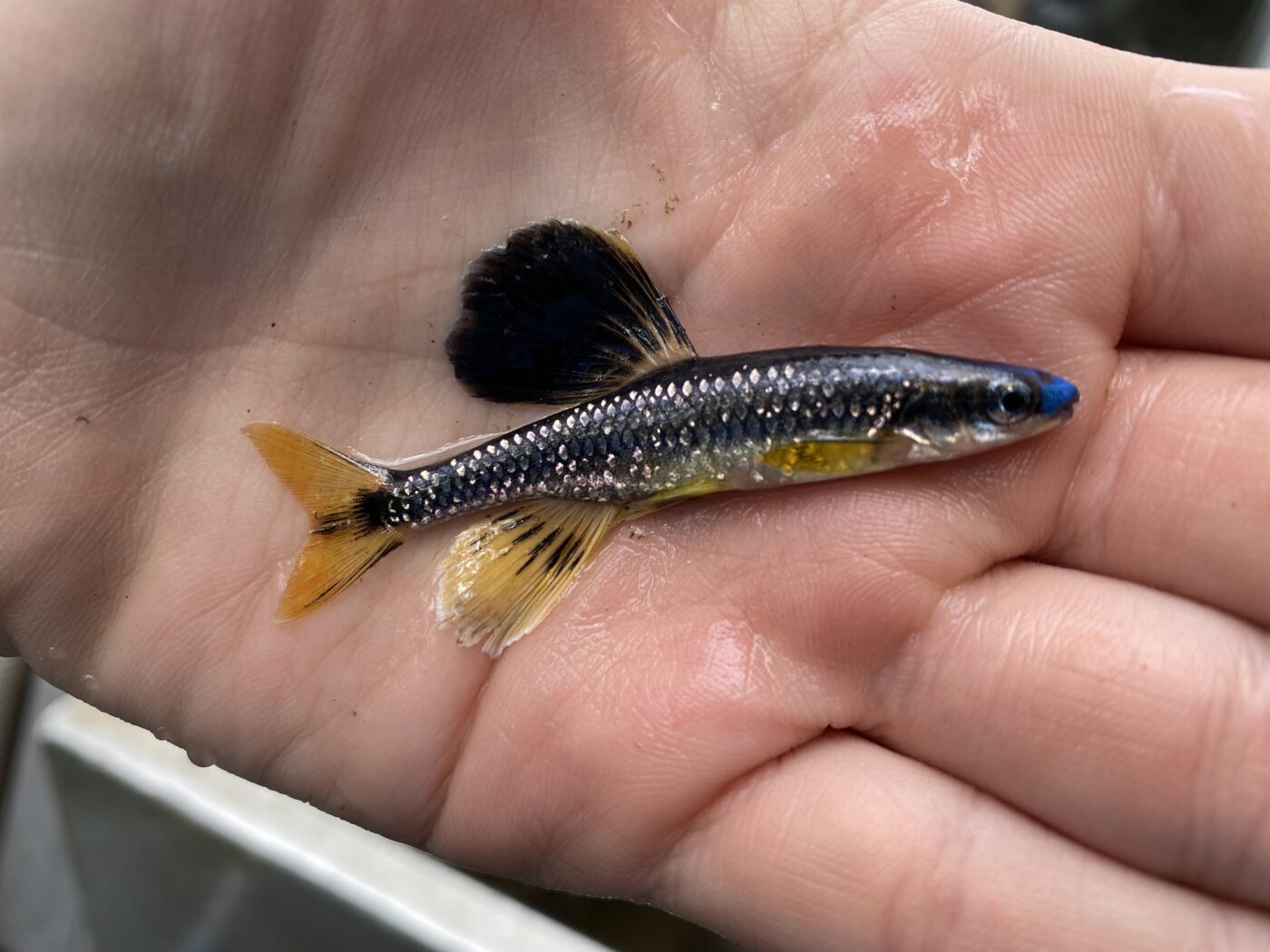
Figure 4. Bluenose shiner. (Photo credit: Florida Fish and Wildlife Conservation Commission)
Alabama Darter (Etheostoma ramseyi)
The Alabama darter (figure 5) is a vibrant fish species found only in the Cahaba River above the fall line and the Alabama River below the fall line. It is named after John Ramsey, a former Auburn University associate professor of fisheries who greatly contributed to learning about Alabama’s fish biodiversity. At only 1¼ to 2 inches long, this tiny darter is found in various habitat types, preferring habitats with structures such as logs or rocks to provide protection and camouflage. Closely related species, such as the Coosa darter (E. Coosae) and Tallapoosa darter (E. Tallapoosae), replace the Alabama darter in other river basins.
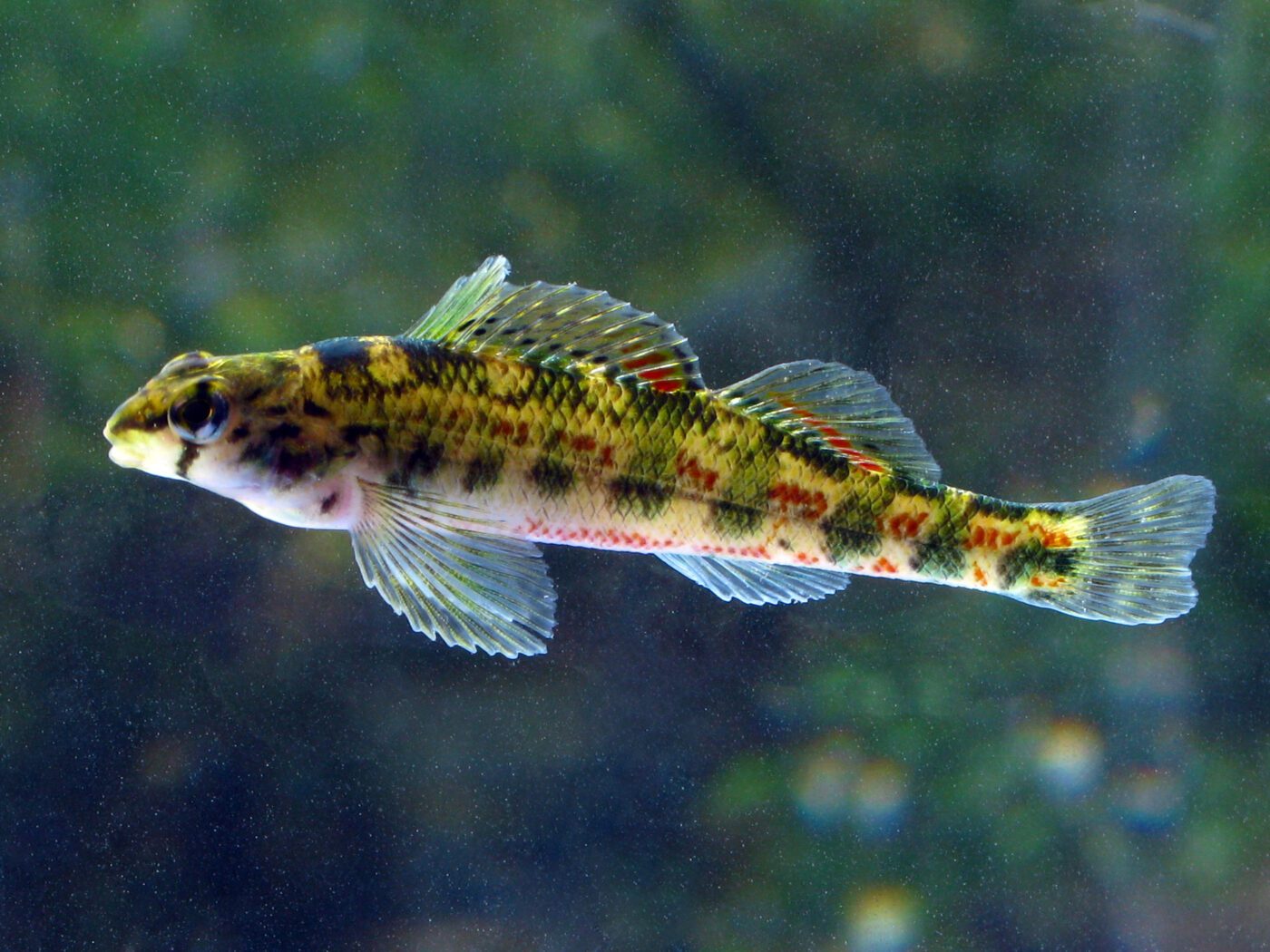
Figure 5. Alabama darter. (Photo credit: Alan Cressler)
Cahaba Bass (Micropterus cahabae)
The Cahaba bass (figure 6), like its name suggests, is endemic to the Cahaba River and cannot be found anywhere else in the world. Because its range is so geographically restricted, the Cahaba bass is especially vulnerable to anthropogenic stressors such as pollution, dams, and habitat degradation. Additionally, the Cahaba bass is targeted by fishermen alongside other bass species in Alabama. It is distinguished from other closely related bass in Alabama by the lack of orange-colored fins and the presence of a green coloration across the midline of its body. Within their small range, Cahaba bass can be found in well-oxygenated streams and rivers with clear, clean water and aquatic vegetation along the stream banks.
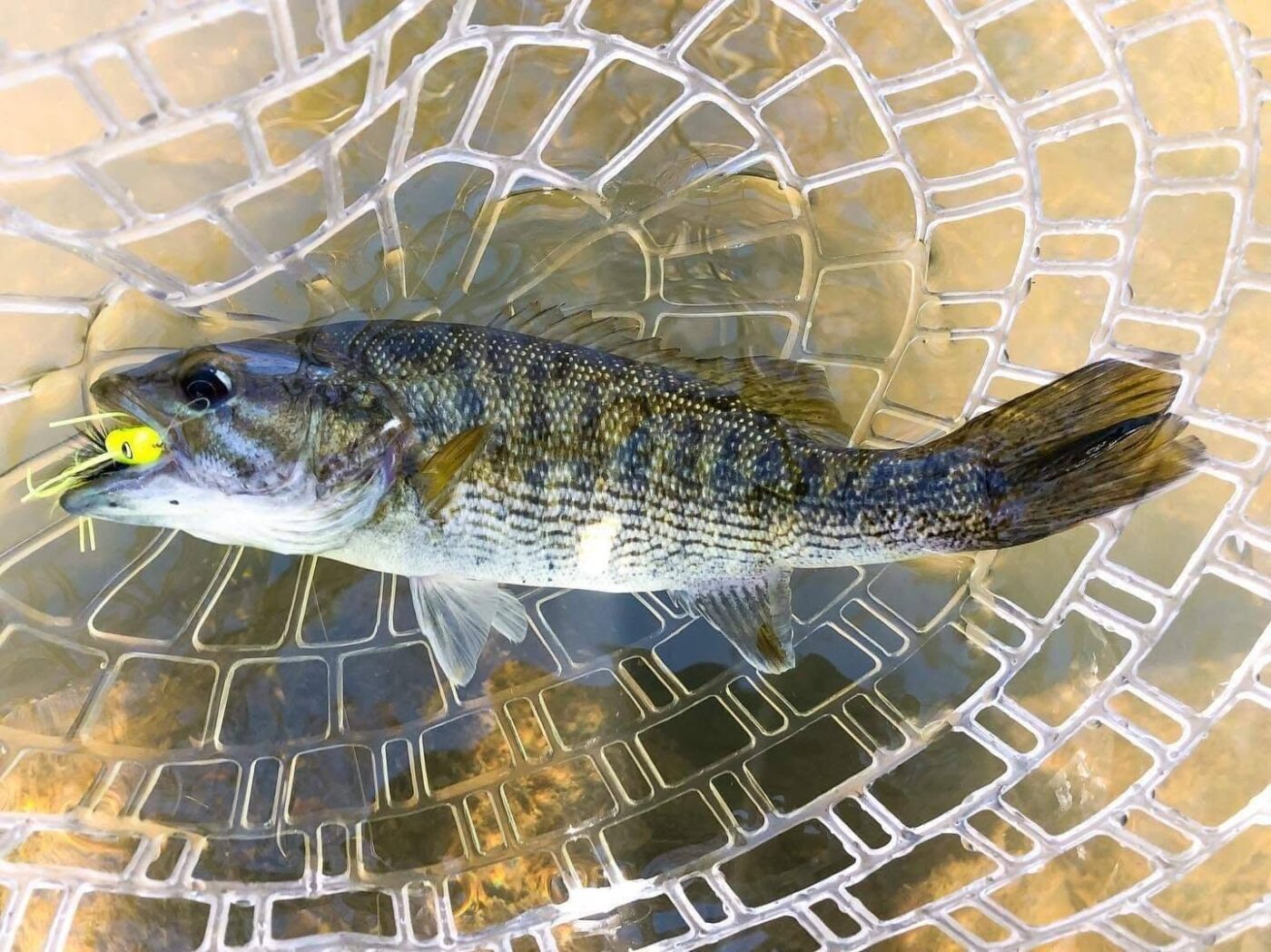
Figure 6. Cahaba bass. (Photo credit: Brandon Wilman, Cahaba River Coalition)
Plants of the Cahaba River
While the Cahaba River is commonly known for its animal biodiversity, it also hosts a plethora of plant species, sixty-nine of which are rare or imperiled. Aquatic plants, such as the Cahaba lily, are a vital part of the ecosystem, as they provide food and shelter for fish and other aquatic species and can help filter the water of sediment. Additionally, stream bank plants reduce erosion by stabilizing the stream bank, reducing the amount of sediment in the water. Without aquatic and wetlands plants, aquatic organisms would not have suitable habitat, and the stream bank would more easily erode, increasing the likelihood of sediment pollution.
Cahaba Lily (Hymenocallis coronaria)
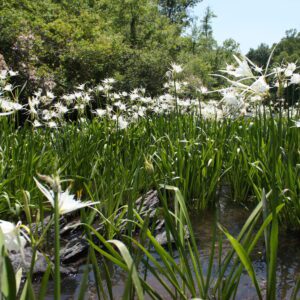
When someone mentions the Cahaba River, chances are what comes to mind is the beautiful and unique-looking Cahaba lily (figure 7), also known as the shoal lily or rocky shoals lily. It is found only in extremely isolated areas of rivers within Alabama, Georgia, and South Carolina, and the largest population is found in the Cahaba River.
The Cahaba lily needs specific conditions to grow; the river must contain fast-flowing water, rocky shoals, and direct sunlight so that the plants’ bulbs can become wedged into cracks in the rocks and take root. Additionally, the Cahaba lily has a specific primary pollinator: the plebeian sphinx moth, which pollinates the bright white, fragrant blooms during the night after the bloom opens at dusk. The bloom of the Cahaba lily stays open for 24 hours only. Daytime pollinators, such as the pipevine swallowtail butterfly, also visit the beautiful flowers, playing an important role in the survival of this imperiled species.
-
- Figure 7. Cahaba lily. (Photo credit: Alan Cressler)
Mussels of the Cahaba River
The Cahaba River supports forty-eight species of freshwater mussels, many of which are endangered or threatened. Almost all native freshwater mussels found in the Cahaba belong to the family Unionidae; however, many of the invasive species belong to different families and have completely different life cycles.
Freshwater unionid mussels feed by filtering water through their bodies and consuming tiny particles found in the water column. This action removes harmful pollutants such as bacteria and sediment from the water column. The pollutants are either stored in the mussels’ bodies or deposited back into the sediment. This unique method of feeding is how freshwater unionid mussels provide such amazing ecosystem services to Alabama’s waterways.
Another interesting aspect of freshwater unionid mussels is their complex life cycle. Gravid females, or those with eggs, hold the eggs in their gills until the eggs develop into glochidia, which is the larval stage of freshwater unionid mussels. Glochidia (microscopic larvae that are parasitic) develop into juveniles on the gills, scales, or fins of a fish host.
To attract a host, glochidia are released in packets called conglutinates, which mimic the food source of their host fish species. Once attached to the host fish, glochidia obtain some nutrients and, more importantly, free travel from its host fish for a few weeks until they develop into the juvenile stage. Juveniles drop off the host fish, sometimes far upstream or downstream from their parent population, and develop into adult mussels, and the cycle continues. Because different freshwater unionid mussels rely on different host species to complete their life cycle, it is imperative to protect the whole habitat and not just the individual species.
Butterfly Mussel (Ellipsaria lineolata)
The butterfly mussel (figure 8) is a widespread species of freshwater mussel native to Alabama as well as many parts of the United States and Canada. They have a somewhat triangular-shaped shell with characteristic “rays” or lines that give them their unique appearance. Like most other freshwater unionid mussels, the butterfly mussel relies on fish hosts, such as sunfish and drum (Aplodinotus grunnieus), for the larvae to develop into juveniles. While this species is of low conservation concern in Alabama, it is listed as threatened in many other states.
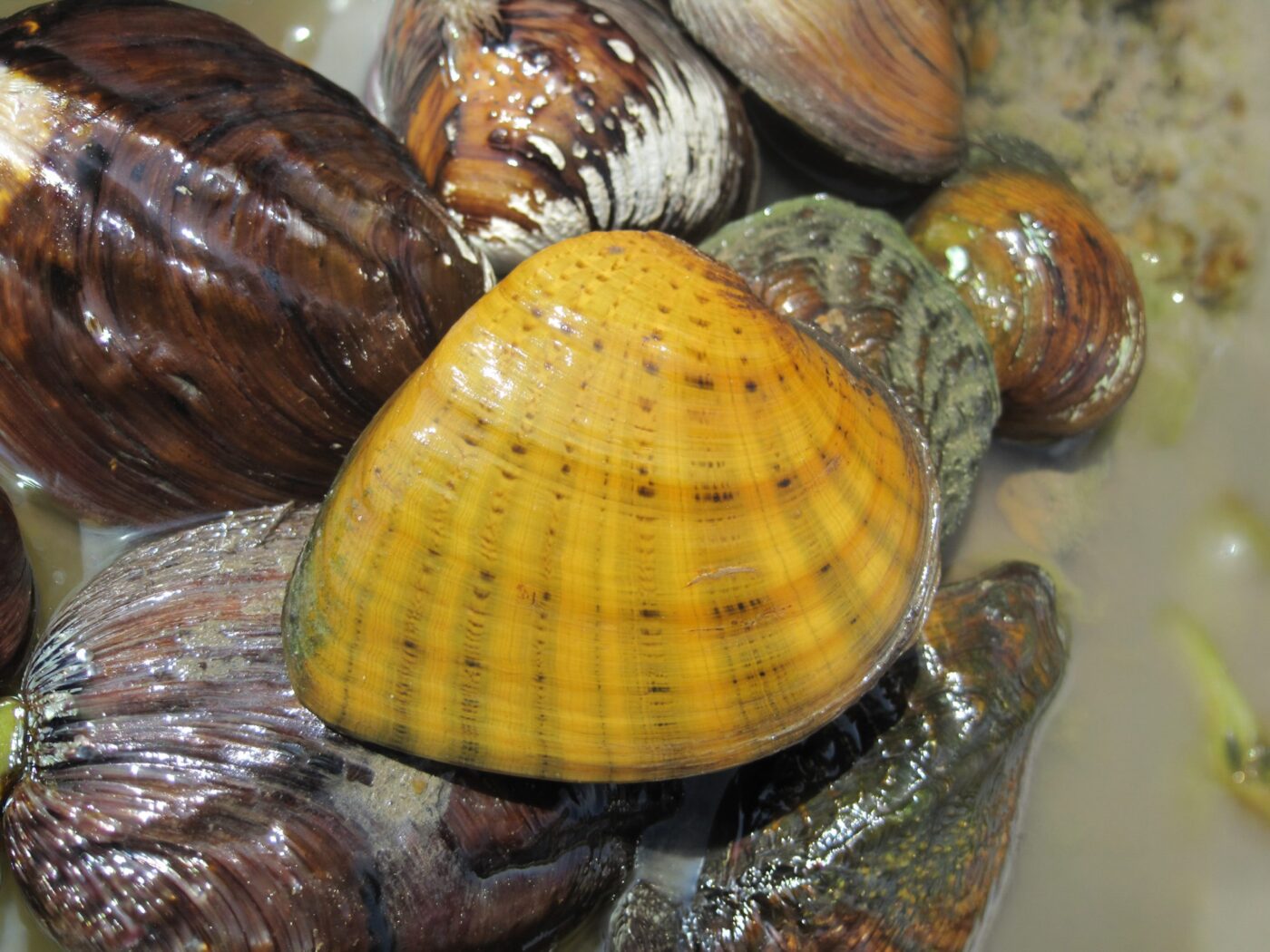
Figure 8. Butterfly mussel. (Photo credit: Tim Menard, U.S. Fish and Wildlife Service)
Ovate Clubshell (Pleurobema perovatum)
The ovate clubshell (figure 9), named for its oval shape, is an endangered mussel species found in isolated patches across the southeastern United States. It occurs in streams and rivers with a sand or gravel substrate, where it burrows and filter-feeds on bacteria and algae by drawing in water through its incurrent aperture, filtering out particles, and pushing out water through its excurrent aperture. While this species needs to be studied in greater detail, it is theorized that shiner fish are the host for the ovate clubshell.
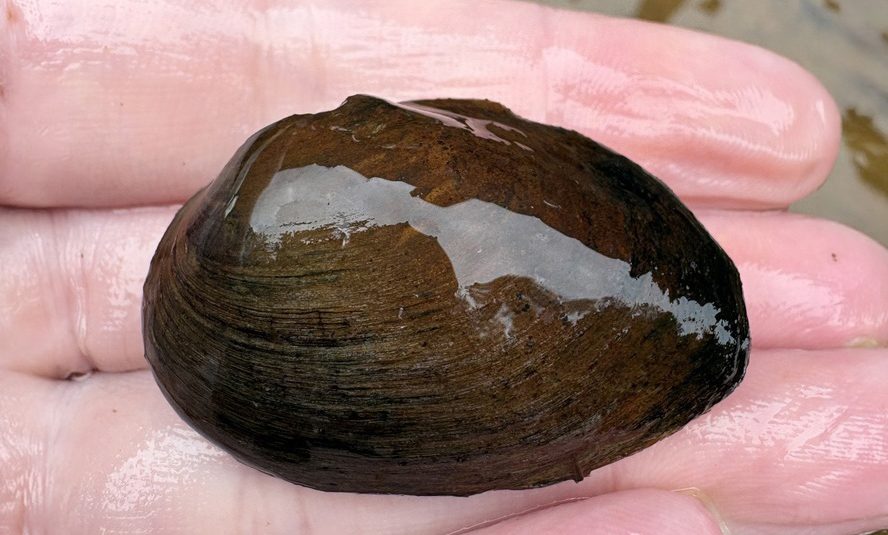
Figure 9. Ovate clubshell. (Photo credit: Brittney Barker-Jones, USFWS via iNaturalist)
Coosa Moccasinshell (Medionidus parvulus)
The Coosa moccasinshell (figure 10) is an endangered species that, until recently, was declared extirpated (locally extinct) from Alabama rivers. Historically, this mussel was found in the Cahaba River and across Alabama, Georgia, and Tennessee; however, due to habitat degradation, it became restricted to a few isolated tributaries outside of Alabama and faced the possibility of extinction.
Recently, over 100 Coosa moccasinshells were released into two streams in Bibb and Shelby Counties in Alabama through the efforts of the Alabama Aquatic Biodiversity Center (a program of the Alabama Department of Conservation and Natural Resources), the Georgia Department of Natural Resources, the Tennessee Wildlife Resources Agency, and the U.S. Fish and Wildlife Service. It is vital that these species are protected so that they can provide essential ecosystem services and help improve the water quality of Alabama’s valuable waterways.
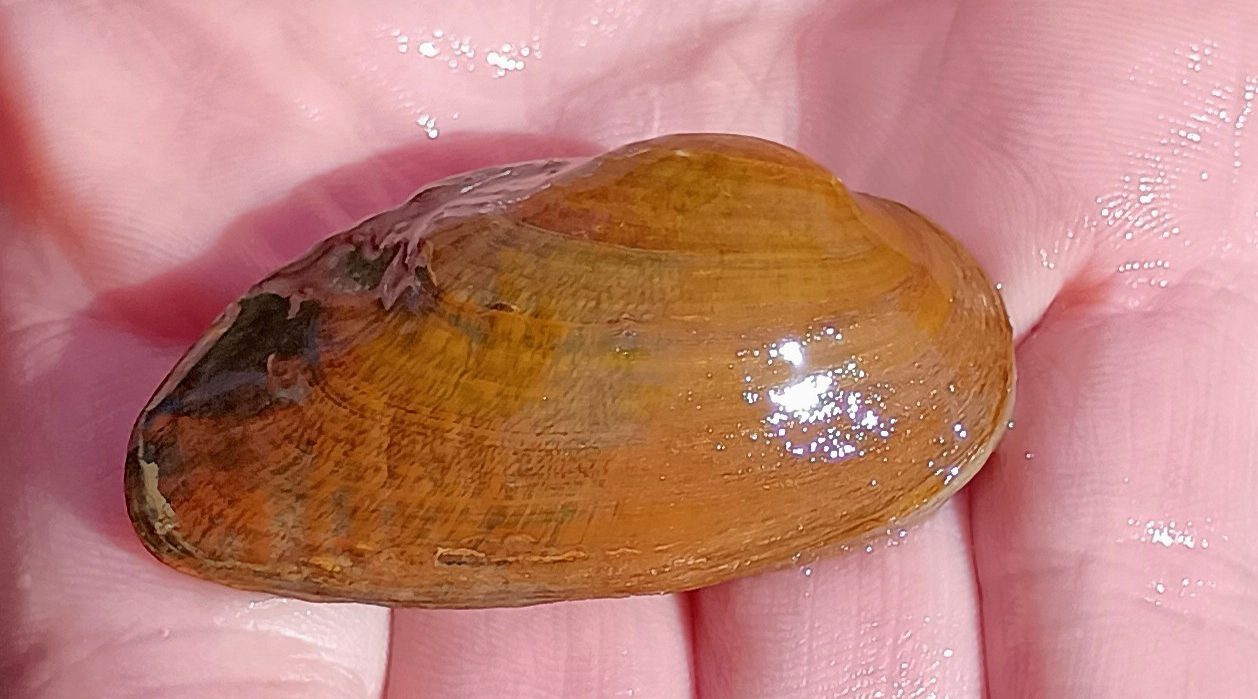
Figure 10. Coosa moccasinshell. (Photo credit: Paul Johnson)
Crayfish of the Cahaba River
Alabama ranks number one in the United States for crayfish diversity, with almost 100 species total; the Cahaba River supports seventeen of those species. Crayfish are a keystone species and provide important ecosystem services to aquatic environments that, in turn, help humans.
Crayfish consume dead organic matter (detritus), which helps keep waterways free of excessive detritus buildup and cycles nutrients throughout the system. Additionally, they are a primary food source for hundreds of predators, including recreationally important fish such as bass, birds, and mammals. Finally, the burrows that crayfish dig to live in aerate the soil around the water body and create habitat for other species. The Cahaba River is still revealing new species of crayfish, which highlights the need for protection of the ecosystem as a whole.
Celestial Crayfish (Procambarus holifieldi)
This stunning crayfish, known as the celestial crayfish (figure 11), has a bright blue, starry coloration across much of its body. It is a newly discovered species, formally described in 2015, and is known to exist only in Perry County in the Cahaba River and middle Alabama River basins.
Celestial crayfish spend most of their lives underground in complex burrows, which they dig themselves, making them an especially difficult species to study. Although this crayfish is not fully aquatic, it does interact closely and rely on groundwater.
The discovery of the celestial crayfish shows that there are still new species to be discovered in the Cahaba River basin, even ones as large and unique as a bright blue crayfish.
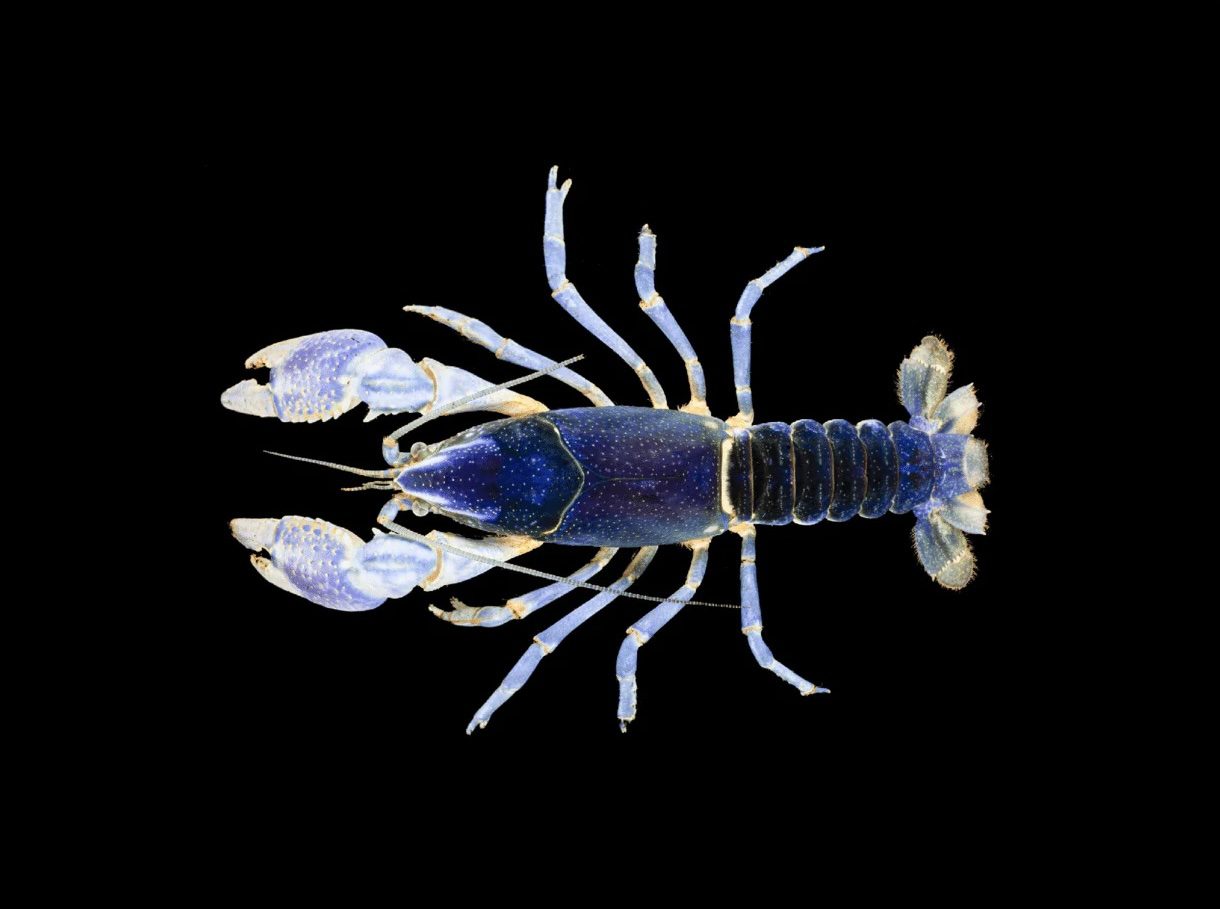
Figure 11. Celestial crayfish. (Photo credit: Guenter Schuster)
Crisscross Crayfish (Procambarus marthae)
The crisscross crayfish is endemic to Alabama, found only in the Alabama, Cahaba, and Tombigbee Rivers basins. This species occupies small streams with clay bottoms and slow currents and roadside ditches or pools that periodically flood. Although little is known about the life history of the crisscross crayfish, it is thought to be a burrowing crayfish like other closely related species. Due to its limited range, it is critically important to protect the current recognized habitat of the crisscross crayfish.
Snails of the Cahaba River Basin
The Cahaba River is home to thirty-two species of freshwater snails. These snails are a vital part of healthy aquatic ecosystems in Alabama, as they use their radula (a tongue-like structure with thousands of chitinous teeth) to scrape dead plant matter and algae off the stream floor, keeping our water clean and healthy. Without small invertebrates, such as snails, river and stream floors could become overrun with algae, lowering oxygen levels and degrading the water quality.
Cahaba Elimia (Elimia cahawbensis)
The Cahaba elimia (figure 12) is an endemic snail species found only in the Cahaba, Black Warrior, and Coosa Rivers basins. It occurs in lotic (flowing) water and is often one of the most common species found during surveys, as it is widespread in the Cahaba and Black Warrior Rivers basins. The Cahaba elimia can live up to 10 years and is currently of low conservation concern in Alabama, but dams and impoundments are an ongoing threat to this species as well as all freshwater snails in the Cahaba and Black Warrior Rivers.
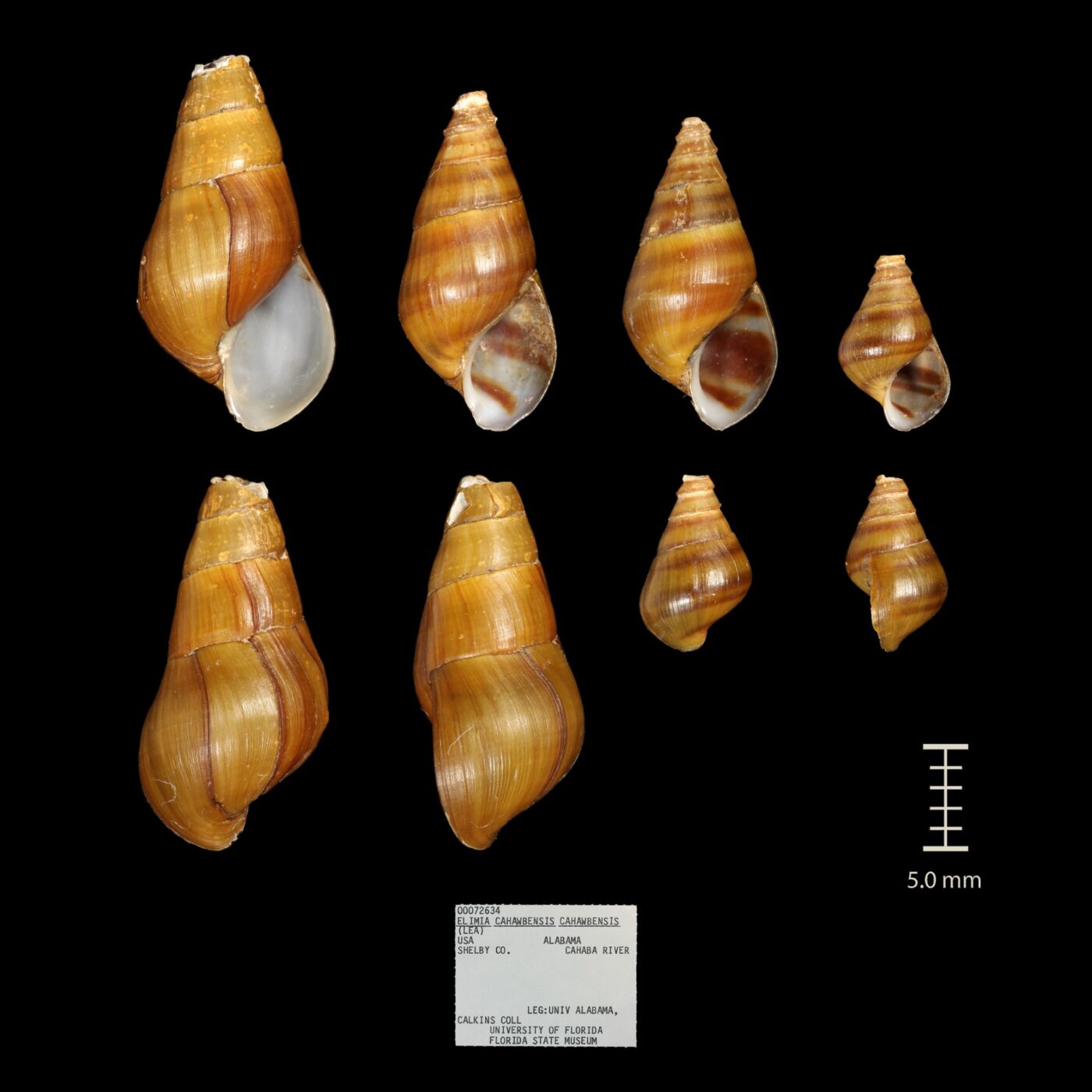
Figure 12. Cahaba elimia. (Photo credit: Paul Johnson)
Princess Elimia (Elimia bellacrenata)
The princess elimia (figure 13), named for its crown-like spiraled shell, is a critically endangered species of freshwater snail found only in a select few springs and spring-fed creeks within a small portion of the Cahaba River. They face constant stress from excess nutrient pollution (eutrophication), which has resulted in a 50 percent decline in the species. The princess elimia is especially sensitive to pollution, and its presence in a waterway indicates that the water quality is pristine.
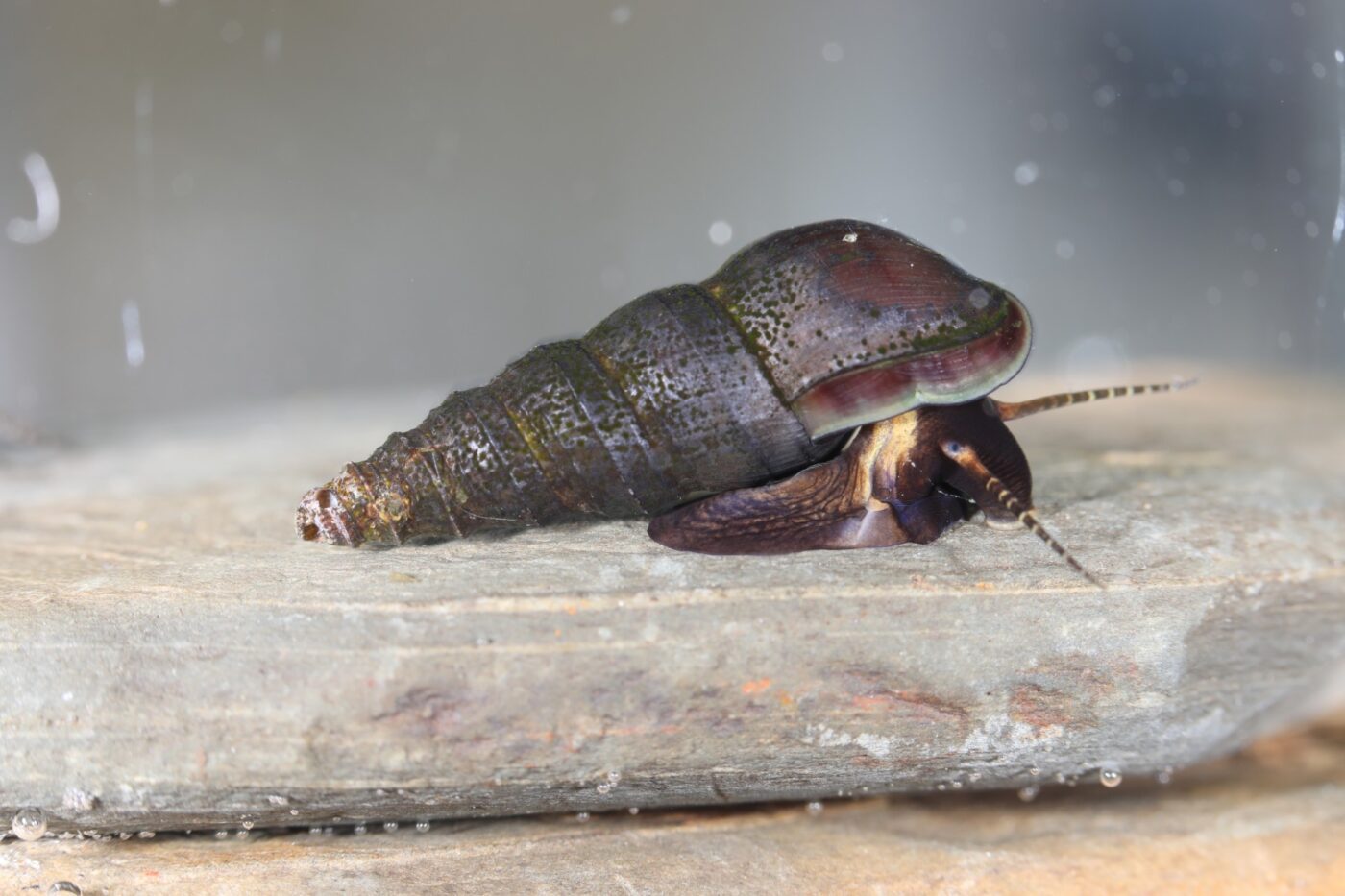
Figure 13. Princess elimia. (Photo credit: Paul Johnson)
Oblong Rocksnail (Leptoxis compacta)
The oblong rocksnail (figure 14) is endemic to the Cahaba River basin and is of the highest conservation concern; it is proposed for federal listing as an endangered species. Historically, this species was known to occupy a 50-mile stretch of the Cahaba River; presently, these snails are known only in a 5.6-mile-long stretch of the river in only 11 percent of its historical range.
In the year 2000, the oblong rocksnail was officially declared extinct, as no specimens had been collected since 1933; but in the year 2011, it was rediscovered in a small portion of the Cahaba River, making it a “Lazarus species” that has come back from presumed extinction. Due to its intolerance to pollution, such as urban runoff, excessive nutrients, sedimentation, and stormwater runoff, the oblong rocksnail is on the brink of extinction for the second time and must be protected.
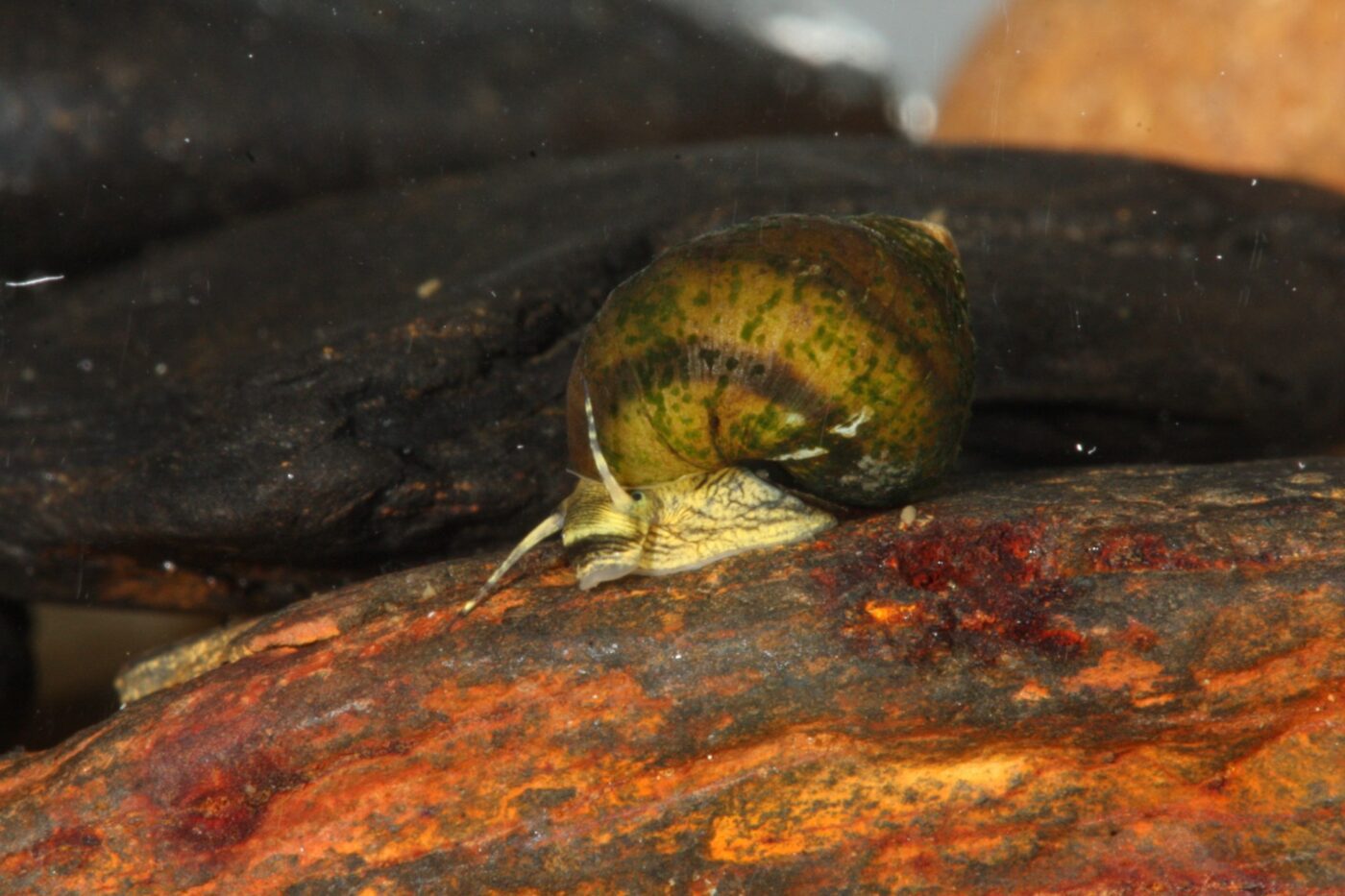
Figure 14. Oblong rocksnail. (Photo credit: Paul Johnson)
Cylindrical Lioplax (Lioplax cyclostomatiformis)
The cylindrical lioplax (figure 15) is an endangered snail species endemic only to a 15-mile stretch of the Cahaba River above the fall line; historically, it could be found in rivers and streams across Alabama and Georgia. It is a gill-breathing snail with an elongated shell that is light to dark brown or olive green. The inside of the shell, or aperture, may have a blue tint.
Interestingly, the Viviparidae family of snails to which the cylindrical lioplax belongs does not lay eggs. Instead, females hatch eggs internally, and the young are born as juveniles that can immediately start foraging on the stream floor.
The cylindrical lioplax is primarily found under large rocks sitting over isolated mud deposits, whereas most other species in the Viviparidae family are found along the muddy edges of rivers in a more exposed habitat. Not much else is known about this species’ unusual life history. This highlights the importance of conserving the biodiverse Cahaba River system and its varied endemic species.
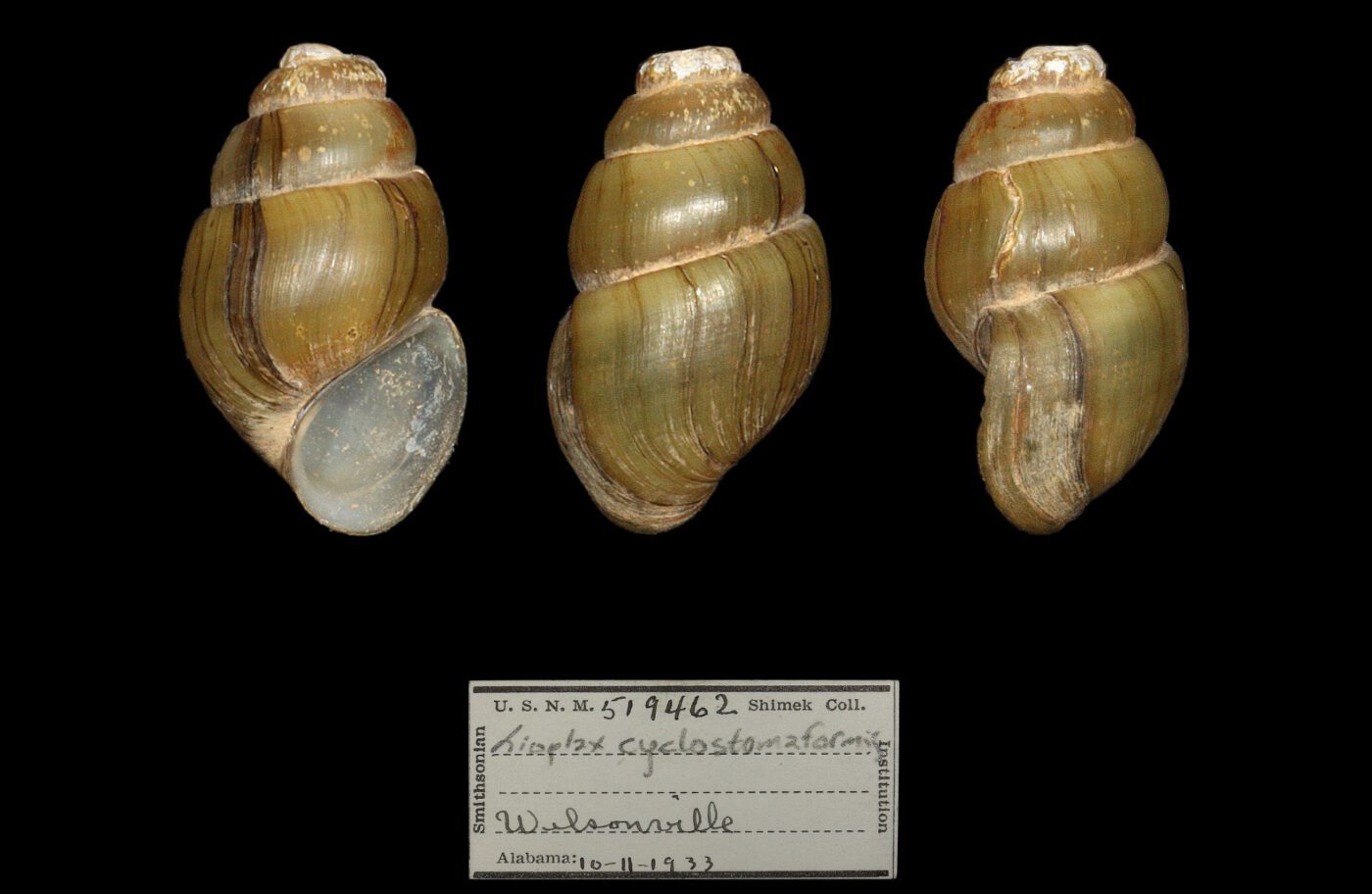
Figure 15. Cylindrical lioplax. (Photo credit: Paul Johnson)
Conclusion
The Cahaba River basin is a biodiversity hotspot that contains a vast array of aquatic species, many of which are endangered. Anthropogenic stressors, such as sedimentation, nutrient pollution, dams, and stormwater overflow, threaten the inhabitants of the Cahaba River basin. It is imperative that the many ecosystems of the Cahaba River are protected so that future generations can enjoy the aquatic life and the clean water that they help maintain.
References
- Zvonar, A., Cooley, L. Dill, J., McGuire, R., and Zinner, S. February 17, 2026. Cahaba River Basin. Auburn University Water Resources Center.”
- Cahaba River Coalition. 2026. The Cahaba: A global biodiversity hotspot (The Cahaba River biodiversity).
- Alabama Department of Conservation and Natural Resources. n.d. Aquatic Biodiversity Center. Outdoor Alabama.
- Freshwater Information Network. n.d. Cahaba shiner.
- Alabama Department of Conservation and Natural Resources. n.d. Cahaba shiner. Outdoor Alabama.
- Alabama Department of Conservation and Natural Resources. n.d. Goldline darter. Outdoor Alabama.
- Alabama Department of Conservation and Natural Resources. n.d. Bluenose shiner. Outdoor Alabama.
- Georgia Department of Natural Resources. n.d. Pteronotropis welaka (Bluenose shiner). Georgia Biodiversity Portal.
- Herrington, Z. 2011. Pteronotropis welaka (Bluenose shiner). Animal Diversity Web.
- Alabama Department of Conservation and Natural Resources. n.d. Alabama darter. Outdoor Alabama.
- Freshwater Information Network. n.d. Cahaba bass.
- GBIF. n.d. Species page (159870049).
- FishDatabase.com Editorial Team. July 14, 2026. Cahaba bass. FishDatabase.com.
- Cahaba River Coalition. 2026. The Crown of the Cahaba (Cahaba lilies).
- BHAMWIKI. n.d. Cahaba lily.
- U.S. Fish and Wildlife Service. May 11, 2023. Federal Register: Endangered and Threatened Wildlife and Plants; Initiation of 5-year status reviews for 67 Southeastern species.
- U.S. Fish and Wildlife Service. n.d. Pleurobema perovatum (Ovate clubshell).
- Byington, P. n.d. Biologists reintroduce one of the rarest mussels in the world in two pristine Alabama streams. The Bama Buzz.
- Alabama Forestry Commission. March 21, 2023. Invertebrates.
- Schroeder, L. 2014. Ellipsaria lineolata (Butterfly mussel). Animal Diversity Web.
- Alabama Department of Conservation and Natural Resources. n.d. Ellipsaria lineolata. Outdoor Alabama.
- Schuster, Guenterm, Christopher Taylor, and Susan Adams. 2015. Procambarus (Girardiella) holifieldi, a new species of crayfish (Decapoda: Cambaridae) from Alabama with a revision of the Hagenianus Group in the subgenus Girardiella. Zootaxa. 4021. 1–32. 10.11646/zootaxa.4021.1.1.
- NatureServe. n.d. Elimia cahawbensis.
- NatureServe. n.d. Elimia bellacrenata.
- Wikipedia contributors. n.d. Leptoxis compacta.
- U.S. Fish and Wildlife Service. 2023. Oblong Rocksnail.
- Nossaman LLP. 2023. U.S. Fish and Wildlife Service proposes listing oblong rocksnail, once believed extinct. Endangered Species Law & Policy.
- U.S. Fish and Wildlife Service. n.d. Lioplax cyclostomaformis (Cylindrical lioplax).
- Schuster, Guenter A., et al. Crayfishes of Alabama. 2022. University of Alabama Press. ProQuest Ebook Central.
- Office of the Federal Register, National Archives and Records Administration. October 19, 2000. Cahaba River National Wildlife Refuge Establishment Act (Public Law 106–331). U.S. Government Printing Office.
- Center for Biological Diversity. October 5, 2018. Alabama’s slenderclaw crayfish proposed for Endangered Species Act protections. Center for Biological Diversity.

Emily Branch, Outreach Programs Assistant, AU Water Resources Center, and Laura Cooley, Extension Administrator, Outreach Programs, Crop, Soil, and Environmental Sciences, both with Auburn University
New October 2026, Native Aquatic Species of Alabama’s Cahaba River Basin, FOR-2209
For more information, contact your county Extension office. Visit aces.edu/directory.
Trade and brand names used in this publication are given for information purposes only. No guarantee, endorsement, or discrimination among comparable products is intended or implied by the Alabama Cooperative Extension System.