
Forestry & Wildlife

Alabama Extension Forestry, Wildlife, and Natural Resources Team
Working with a passion for enhancing the lives of Alabamians through Forestry, Wildlife and Natural Resources education.
- 303 programs with 38,206 participants
2025 Social Media Engagement
- Facebook: 2.9M reach, an increase of 82%
- Instagram: 7.5K reach, an increase of 70%
- 2025 Newsletter: 6.1K subscribers
Highlights
 The mission of the Alabama Extension Forestry, Wildlife, and Natural Resources (FWNR) team is to provide relevant, science-based information to help Alabama residents make informed natural resource– related management decisions.
Working with a passion for enhancing the lives of Alabamians through Forestry, Wildlife, and Natural Resources education.
Participants in the Forestry, Wildlife, and Natural Resources program learn how to improve forest health, create and improve wildlife habitat, increase the quality and value of timber, and protect water quality.
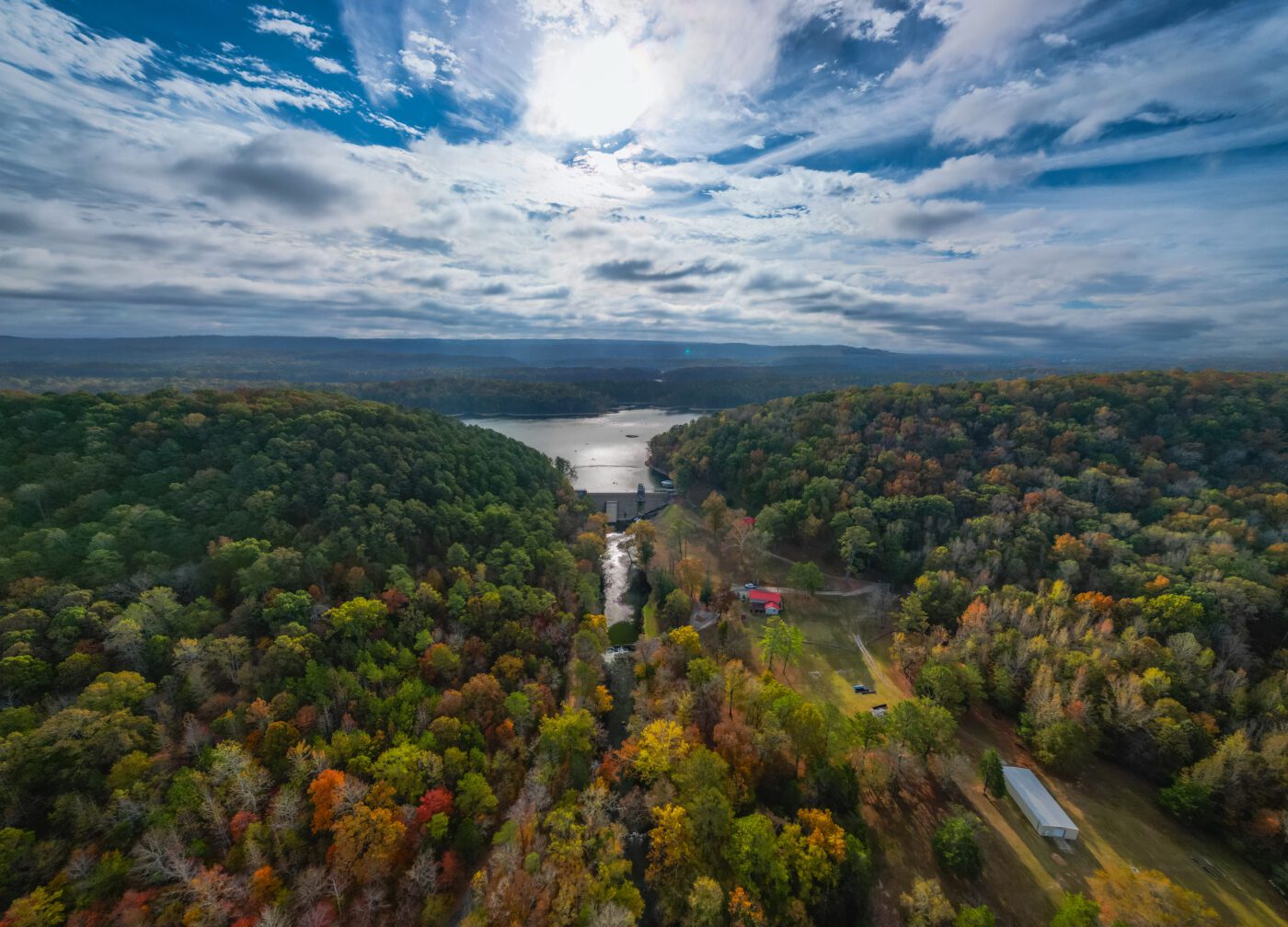
Alabama has 64 different and documented ecosystems, and 25 are forests and woodlands that cover more than two-thirds of the state. These features make Alabama the fifth most biologically diverse state in the country. You can travel by car from the mountains of north Alabama to the sandy white beaches of the Gulf Coast in just 1 day and never leave the state.
Wood products, hunting, outdoor recreation, and improved water quality significantly contribute to Alabama’s economy. For example, in 2023, the direct output value of forestry was $21.2 billion. Outdoor recreation activities, such as camping, hiking, boating, and hunting, contribute $6.6 billion to Alabama’s economy while supporting more than 65,000 jobs. Healthy, well-managed natural resources support these industries and society’s well-being.
Alabama Master Naturalist
 Project Leader: Wesley Anderson, Emily Burchfield
Alabama Master Naturalist (AMN) is a statewide program that promotes awareness, understanding, and respect for Alabama’s natural world among residents and visitors. The AMN program develops a statewide corps of well-informed volunteers providing education, outreach, and service dedicated to the beneficial management of natural resources and natural areas within their communities.
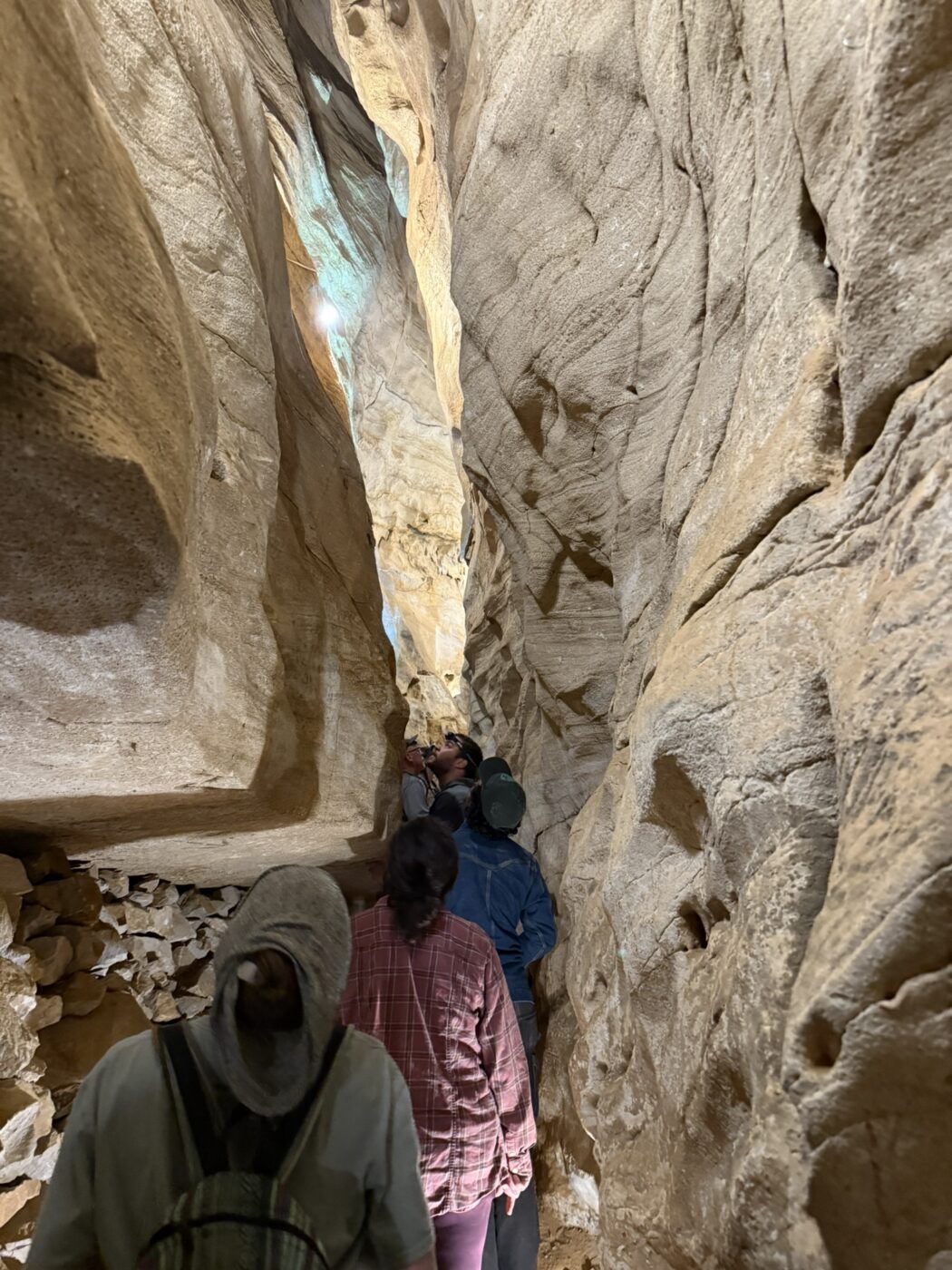
To become certified Alabama Master Naturalists, participants must complete the 22-module online course, attend two field days, and log 30 volunteer hours. This year, the program offered thirteen field days. Nine were in conjunction with Alabama State Parks and included the following locations: Cathedral Caverns, Chewacla, Joe Wheeler, Meaher, Monte Sano, Oak Mountain, and Rickwood Caverns. In 2025, field day partners expanded to include Jefferson County Greenways (three field days) and Land Trust of North Alabama (one field day). Across the 13 field days, there were 190 participants.
Volunteer hours are required; however, participants may complete their hours concurrently with the course and field days or after they have completed the other course requirements. For 2025, participants submitted 1,383 volunteer hours or the volunteer equivalent of $42,307. Volunteer activities must occur in Alabama and be natural-resource focused.
 In 2024, AMN had 576 participants enrolled in the program; 2025 was the first year that participants were certified and 73 of the 576 participants completed all program requirements and were certified. Beyond this, AMN began partnering with other naturalist programs—Georgia Master Naturalist, Florida Master Naturalist, and South Carolina Master Naturalist—to offer a monthly webinar series. The 12 webinars from January through December reached 1,088 participants. Lastly, the program’s first local chapter was formed in Huntsville. Since August, North Alabama Master Naturalist has been offering to the public monthly meetings with an invited speaker.
Number of Participants: 576 enrolled in the online Canvas course, working toward Alabama Master Naturalist certification
Extension Collaborators: Becky Barlow, Audrey Gamble, Mona Dominguez, Lynn Dickinson, Kerry Steedley, Dylan Taylor
Agency Collaborators: Alabama Department of Conservation and Natural Resources State Parks Division, Jefferson County Greenways, Land Trust of North Alabama, Georgia Master Naturalist, Florida Master Naturalist, South Carolina Master Naturalist
Evaluation Technique: Surveys
Direct Impacts:
- 73 participants became certified Alabama Master Naturalists in 2025.
- 1,383 volunteer hours valued at $42,307 were contributed to natural resource management in the state.
- 13 field days were offered to 190 participants.
- AMN regional webinar series reached 1,088 participants.
Environmental Education Through Citizen Science
 Project Leaders: Wesley Anderson, Kerry Steedley
Environmental Education through Citizen Science encourages conservation-focused volunteerism while teaching participants about Alabama’s natural resources. The flagship initiative of this program is the Marble Bowl.
The Marble Bowl is an online competition pitting fans of Auburn University and the University of Alabama on the iNaturalist.org platform. During college football season, teams compete to log biodiversity observations, with the winning team determined by the number of unique observers, unique observations, and total observations. Observations must occur within the state of Alabama.
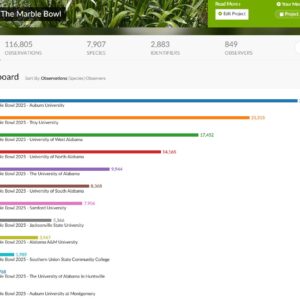
Because the Auburn team had won the first three years of competition, project leaders decided to expand to remain viable. To accomplish this, interested parties from any Alabama institution of higher education were invited. Twelve institutions participated, including Auburn University, Troy University, University of West Alabama, University of North Alabama, The University of Alabama, University of South Alabama, Samford University, Jacksonville State University, Alabama A&M University, Southern Union State Community College, The University of Alabama in Huntsville, and Auburn University at Montgomery.
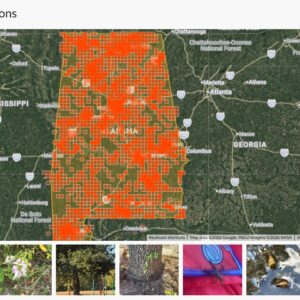
In total, 116,805 observations of 7,907 species were made by 849 observers. This eclipsed the 2024 record of 49,648 observations of 5,723 species by 498 observers. Auburn University came in first place, Troy University second, and the University of West Alabama third. Given the success of this expansion and the continued enthusiasm for the competition, the goal for 2026 is to invite institutions outside Alabama to participate and further broaden the Marble Bowl’s impact.
Number of Participants: 849 observers
Collaborators: Alabama Museum of Natural History; Auburn University Museum of Natural History; Auburn University’s College of Forestry, Wildlife, and Environment; Troy University; University of West Alabama; University of North Alabama; University of South Alabama; Samford University; Jacksonville State University; Alabama A&M University; Southern Union State Community College; The University of Alabama in Huntsville; and Auburn University at Montgomery
Direct Impacts:
- 116,805 unique observations.
- 7,907 unique species.
- 849 unique observers.
- Approximately 5,840 volunteer hours contributed with an approximate value of $178,653.
Green Up Alabama: Community Forestry
 Project Leader: Georgios Arseniou
Green Up Alabama is designed to enhance the health, safety, and resilience of Alabama’s urban and community forests. This will be achieved through three primary strategies: advancing the professionalism and technical knowledge of commercial and municipal tree-care professionals; educating homeowners to strengthen their understanding and management of landscape trees; and expanding urban forest canopy through new tree planting initiatives in communities with limited resources for tree establishment and care.
Many small and rural communities across Alabama lack the resources needed to establish and effectively manage urban forests. These communities often face limited employment opportunities, high poverty rates, and declining populations, all of which constrain local economic capacity. Existing urban forests in these disadvantaged areas are typically composed of volunteer species or legacy trees planted during the early development of the communities. As a result, many of these urban forests consist of undesirable species, aging trees, or both. Consequently, there is a clear need to support tree establishment efforts that enhance community attractiveness, livability, and long-term sustainability. In addition, these communities frequently have a limited workforce with the training necessary to manage urban forest resources properly. Local workers often perform a wide range of landscape-related tasks—from lawn maintenance to basic tree care—but rarely receive formal training in essential arboricultural practices. Responding to downed trees during emergency situations, such as hurricanes, tornadoes, and other severe weather events, is a common responsibility; however, few workers have adequate training in tree maintenance, chainsaw operation, electrical hazard awareness, rigging, or aerial lift use. These skills and tools are critical for safely managing urban forests, particularly in post-storm conditions. Proactive tree care and management represent the first step toward creating safer and more resilient urban forests. Like any valuable asset, urban trees provide greater benefits and pose fewer risks when properly managed. Therefore, there is a pressing need to train municipal personnel and homeowners to properly maintain and manage their trees, while identifying and mitigating potentially hazardous trees before storm events occur.
In 2025, the Green Up Alabama team achieved the following:
- 100 trees of native species planted in disadvantaged communities in Alabama.
- 7 workshops in tree care management and tree maintenance to prepare municipal and homeowner audiences for maintaining healthy trees and evaluating potentially dangerous trees.
- 3 chainsaw safety workshops to prepare municipal and homeowner audiences operating chainsaws in the aftermath of storms.
- 1 tree grafting workshop for homeowners.
- 3 youth 4-H classes to raise awareness about the importance of urban trees among students in Alabama.
- 4 webinars on different topics in urban forestry and arboriculture through the City Forests Webinar Series.
- 4 peer-reviewed publications about tree care and maintenance published through the Alabama Cooperative Extension System.
- 4 educational videos about tree care and maintenance published through the Alabama Extension YouTube channel.
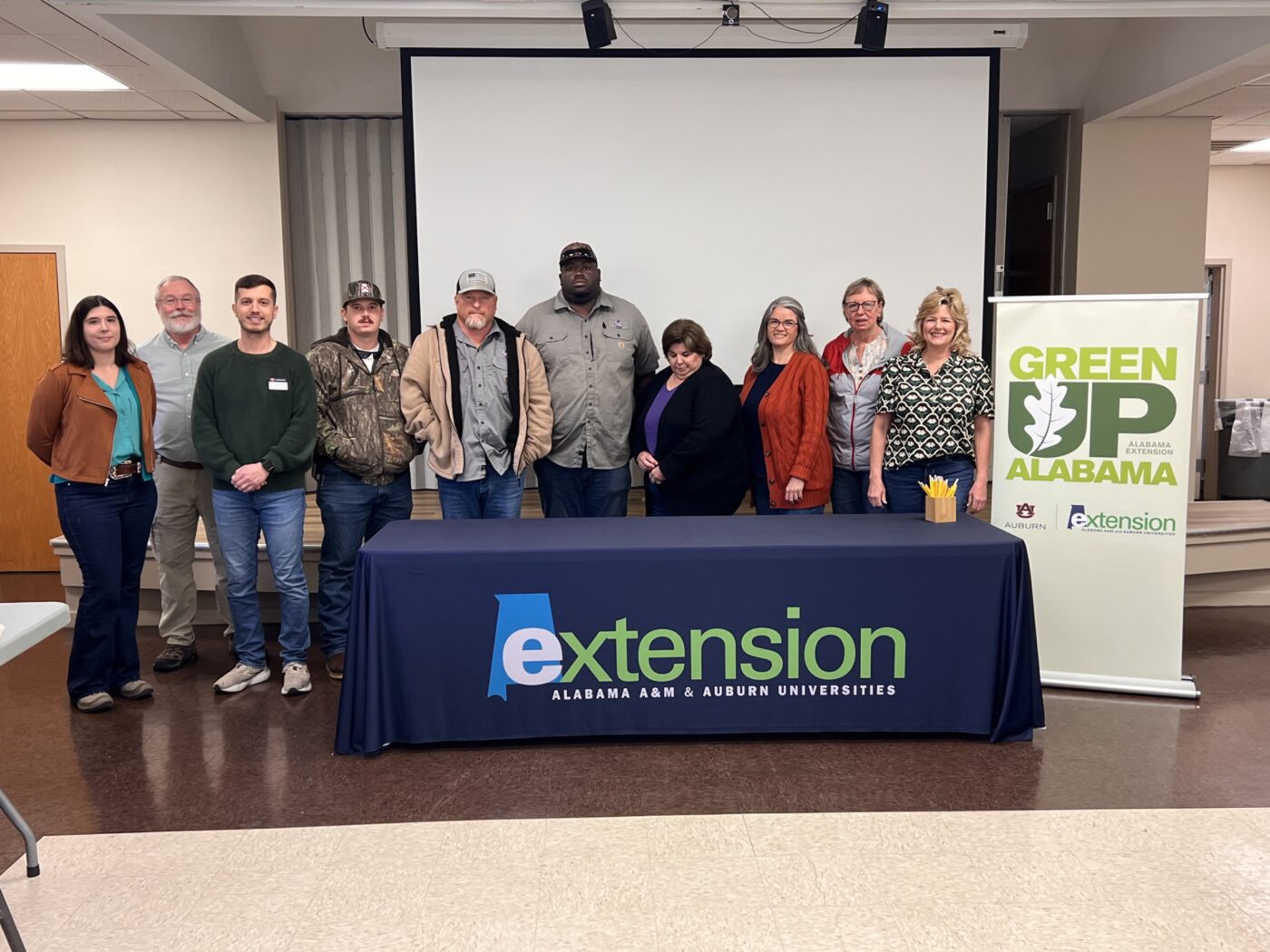 Extension Collaborators: Arnold (Beau) Brodbeck, Jessica Baldwin, Jack Rowe, David West, Kerry Steedley, Brian Brown
Number of Participants: In-state: 427; Out-of-state: 50; Total: 477
Audience: 95% male, 7% female; 75% White, 16% Black; 9% other
Agency Collaborators: USDA US Forest Service, Alabama Association of Resource Conservation and Development Councils
Evaluation Technique: Post-event evaluation
Direct Impacts:
- 95% experience a change in knowledge.
- 89% plan to implement knowledge gained.
- 63% plan to purchase and wear personal protective equipment.
- 100 trees of native species planted in disadvantaged Alabama communities.
Attendee Comments:
“Great instructors, very knowledgeable.”
“Great class.”
“Wonderful presentation/knowledgeable instructors.”
“I really enjoyed learning a lot and getting to participate in hands-on activities.”
“Great entry level class in arboriculture.”
“The knowledge that was given was well given.”
“I learned a lot of applicable knowledge from this class.”
“I appreciate everyone’s time and knowledge to teach me.”
“Great program.”
“Very knowledgeable teachers; recommend them on future classes.”
“Great course for those who have little to no knowledge of trees or chainsaws.”
“Great class—professional instructors who knew how to decode issues in understandable terms.”
Management & Control of Invasive & Nuisance Species
Program Leader: Kerry Smith
The resilience of natural resources and the maintenance of ecosystem health and function are topics of growing concern across the southeastern United States. Already posing significant threats to forested ecosystems, agricultural lands, aquatic environments, and urban and suburban areas, the impacts of invasive and nuisance species are expected to increase with climate variability and more frequent extreme weather events. Positioning landowners and natural resource managers to minimize and mitigate the impacts of invasive and nuisance species is crucial. Not only do invasive plants displace native plant species and the wildlife and insects that depend on them, but these species also negatively affect fire regimes, water cycles, nutrient cycles, and forest regeneration. Likewise, invasive or nuisance animals may negatively affect the integrity of natural resources, agriculture production, and human health and safety.
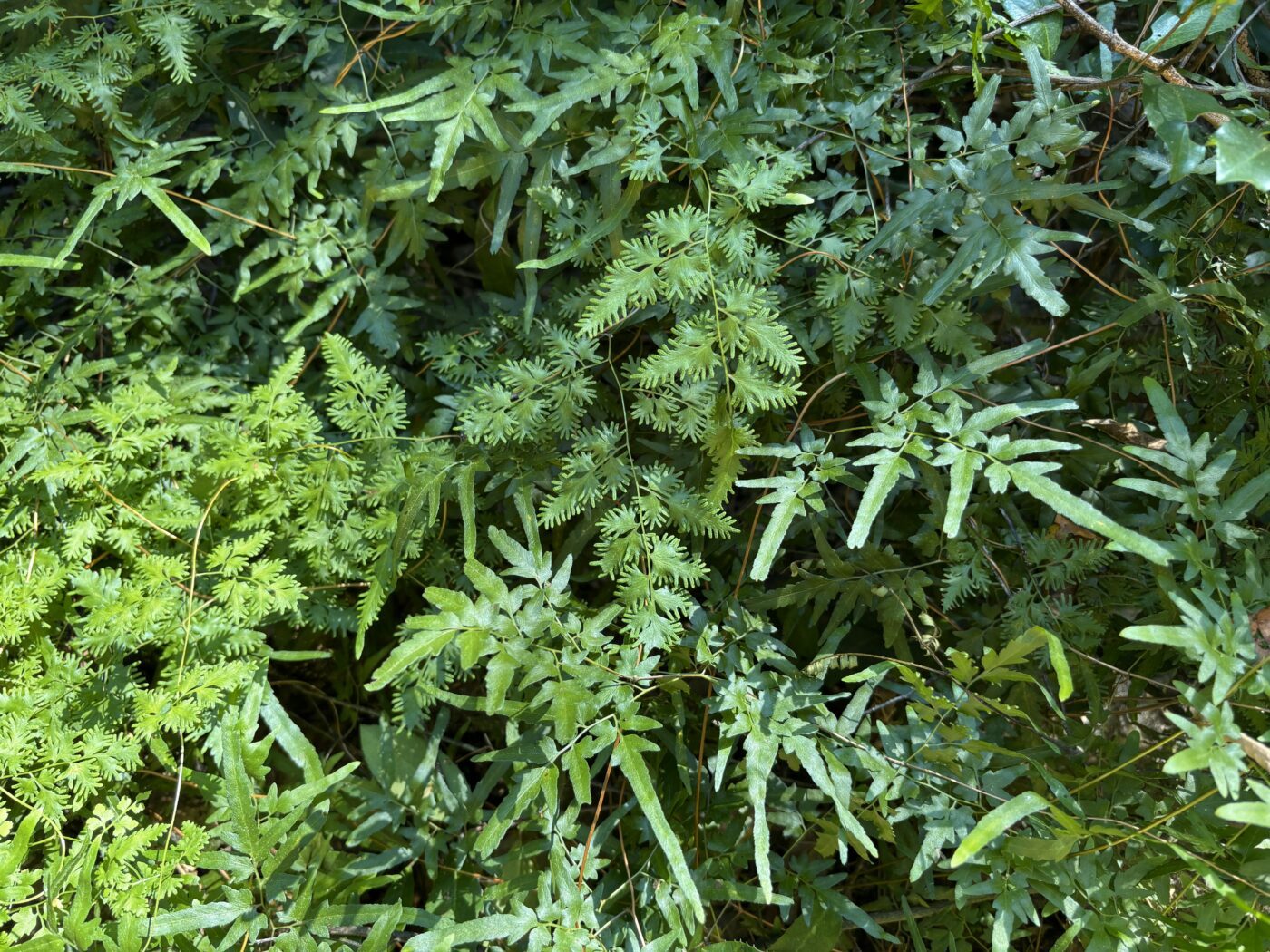 Extension Collaborators: Kerry Steedley, Norm Haley, Kathy Terry-Warner, Annakay Newell, Mark Smith, Kelly Knowles, Catherine Jackson, Emily Nichols, Dylan Taylor, Alabama Extension Home Horticulture Team, Alabama Extension Aquatic Resources Team
Number of Participants: 1,074
Overall Impact Estimate: Impacts range from homeowners and landscapers not planting invasive species to improved invasive plant control to increased knowledge of nuisance wildlife species, such as feral hogs. Online educational events through the Natural Resources Webinar Series also shared new information on non-native pests and pathogens, including the emerald ash borer, brown spot needle blight, and white-nose syndrome that affects bats in North America. Two additional publications were developed to assist pond owners and land managers with controlling species, such as giant salvinia.
Impact Estimates, Land Managers:
- Acres Impacted: More than 20 million acres owned or under the management of program participants. While not all are affected by invasive species, many of these sites will receive more effective monitoring and prevention. The effects of prevention are difficult to quantify.
- The sentinel gardens at the Port of Mobile received a $133,893 grant to develop efforts for early detection of invasive species in Alabama.
Natural Resources Education
Project Leader: Emily Nichols
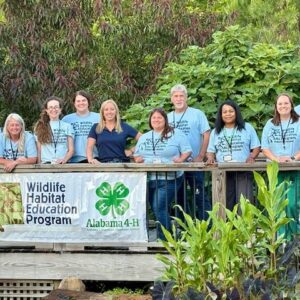
Alabama Extension and 4‑H advance statewide understanding of native species, habitat conservation, and sustainable natural resource management. With Alabama’s exceptional biodiversity facing increasing environmental pressures, the FWNR team provides research‑based education that equips youth, educators, and natural resource professionals with practical skills and conservation literacy.
To meet these needs, the team developed outreach materials, provided educator training, and offered practical resources and learning opportunities that expanded community capacity and increased access to hands‑on natural resources education statewide. Partnerships with agencies, organizations, and campus colleagues strengthened program quality and broadened reach.
Collaboration with the Association of Fish and Wildlife Agencies supported statewide coordination of Project WILD and with the Alabama Math, Science, Technology Initiative (AMSTI) helped expand STEM‑focused wildlife education to classrooms across the state. The Anniston Museums and Gardens supported the Alabama Wildlife Habitat Education Program (WHEP) contest and related outreach, while the Alabama Forestry Commission partnered with Extension to conduct the state forestry contest. Additional expertise from the Auburn University Museum of Natural History, John Kush, Tim Shearman, Adam Maggard, and the John D. Freeman Herbarium enhanced training in species identification, best practices, and field techniques.
These collaborations enabled Extension to deliver high‑quality, science‑based natural resources education to youth and adults, strengthen educator capacity in conservation instruction, and promote environmental literacy across Alabama.
Extension Collaborators: Georgios Arseniou, Adam Maggard, Danny Cain, Dylan Taylor, Vanessa Roberts, Patrick Smith, County Extension Directors, Extension Agents, Agent Assistants, 4-H Agent Assistants
Non-Extension Collaborators: Tim Shearman, John Kush, Auburn University Forest Health Cooperative, Association of Fish and Wildlife Agencies, Auburn University Museum of Natural History, John D. Freeman Herbarium, National Wildlife Habitat Education Program, Anniston Museums and Gardens, National 4-H Forestry Invitational, Alabama Forestry Commission, educators, volunteers
Number of Participants: 59,745 youth and adults reached through education and outreach in-person and virtual training, activities, and events.
Direct Impacts:
- Trained educators from nine counties in ecological succession, native plants, and wildlife habitat requirements.
- Certified 22 educators statewide to teach Project WILD lessons through hands-on professional development, enabling standards-aligned, inquiry-based wildlife conservation education for K-12 students and youth audiences statewide.
- Trained educators in 11 counties in dendrology, UTM topographic map reading, forest measurements, forest ecology, and compass and pacing techniques.
- Supported 69 young people in creating urban habitat management plans that addressed multiple competing objectives at the human-wildlife interface.
- Engaged 87 participants from six counties in a statewide forestry competition.
- Celebrated the selection of a program participant as the 2025 Alabama Wildlife Federation’s Governor’s Achievement Award: Youth Conservationist of the Year.
- Supported the Alabama Wildlife Habitat Education Program (WHEP) team in earning fourth place among 11 states at the national competition, following a 2-day field study preparation in habitat assessment, wildlife species identification, and ecological management practices.
- Supported the Alabama Forestry Education team in statewide training and preparation, earning fifth place among 12 states at the national forestry invitational and mastering identification of more than 50 tree species.
Updated and published technical resources to advance public understanding of Alabama’s unique flora:
“Alabama’s Unique Dwarf Oak” available on the Alabama Extension website at www.aces.edu.
“Meet Alabama’s Meat-Eating Plants” available on the Alabama Extension website at www.aces.edu.
Natural Resources Webinar Series
 Project Leaders: Norm Haley, Kerry Steedley, Richard Cristan
This webinar series provided free, biweekly, virtual outreach and education to residents, agencies, and organizations throughout Alabama on a wide variety of natural resources–related topics. This project also focused on maintaining and building on the Alabama Extension FWNR team’s relevance and awareness throughout the state, the Southeast, and the nation. The wide breadth of topics was aimed at creating appeal, interest, and benefits for broad audiences while also building a following for reliable, convenient, and easily accessible programming. A total of 26, 1-hour webinar sessions, including 15 minutes of questions and answers with the presenter, were hosted live via Zoom and made available on demand to registrants. Professional continuing education credit was also offered to registered foresters and professional loggers.
Number of Participants: 4,626 registered, 1,599 on demand views
Audience: 63% male, 37% female; 93% White, 3% Black, 2% more than 1 race, 0.4% American Indian, 0.5% Asian, 0.3% Hispanic, Middle Eastern, or North African 0.06%
Collaborators: Alabama Department of Conservation and Natural Resources, Alabama Forestry Commission, Alabama Extension, Auburn University, Jacksonville State University, Mississippi State University Extension, Quail Forever, Shortleaf Pine Initiative, and United States Department of Agriculture Natural Resources Conservation Service
Evaluation Technique: Pre-registration demographic and acreage reporting, end-of-year webinar series Qualtrics evaluation via e-mail invitation.
Acreage Owned or Managed by Attendees: 46,250,315 (equivalent to 201% of Alabama forestland) 23 million forested acres in the state and attendees reported 46 million under their management.
Direct Impacts:
- 57% of attendees implemented some practice discussed in one of the webinars viewed.
- 41% of attendees viewed more than 6 of the 25 webinars offered.
- 1,258 PLM and CFE CEUs were offered to forestry industry professionals at no charge.
- Underserved audience outreach attributed to 37% of the viewership based on sex and 6.6% based on race.
- 46,250,315 acres owned or managed by attendees indicate participation by agency and professional personnel, providing broad impacts at the landscape level and the value of the series toward professional development.
Professional Logging Manager & Continuing Forestry Education
 Project Leader: Richard Cristan
Alabama has 23 million acres of timberland and ranks third in largest commercial forestland in the United States. Logging is important to the state’s economy and underscores the need to train loggers in both sustainable forestry practices and logging safety. The Alabama Professional Logging Manager (PLM) initial training and subsequent required yearly continuing forestry education (CFE) provide loggers with needed training. PLM and CFE topics include sustainability, forest management, biodiversity, conservation, wildlife, threatened and endangered species, forestry best management practices (BMPs) for water quality protection, logging safety, and trucking.
Loggers must complete 5 CFE hours to maintain their PLM status annually, and registered foresters (RF) need 10 CFE hours annually to maintain their registration with the Alabama State Board of Registration for RF. Alabama Extension FWNR specialists, agents, and county Extension directors conduct in-person CFE workshops for loggers and foresters along with a biweekly webinar series that offer PLM and CFE hours. Specialists and agents are also invited to speak at CFE workshops hosted by the forest industry, organizations, associations, and the natural resource council planning committees.
Collaborators: FWNR Extension specialists, agents, and county Extension directors, Alabama Forestry Association, Alabama Forestry Commission, Alabama Loggers Council, Forest Workforce Training Institute
Overall Program Contacts: 1,674 (45 events)
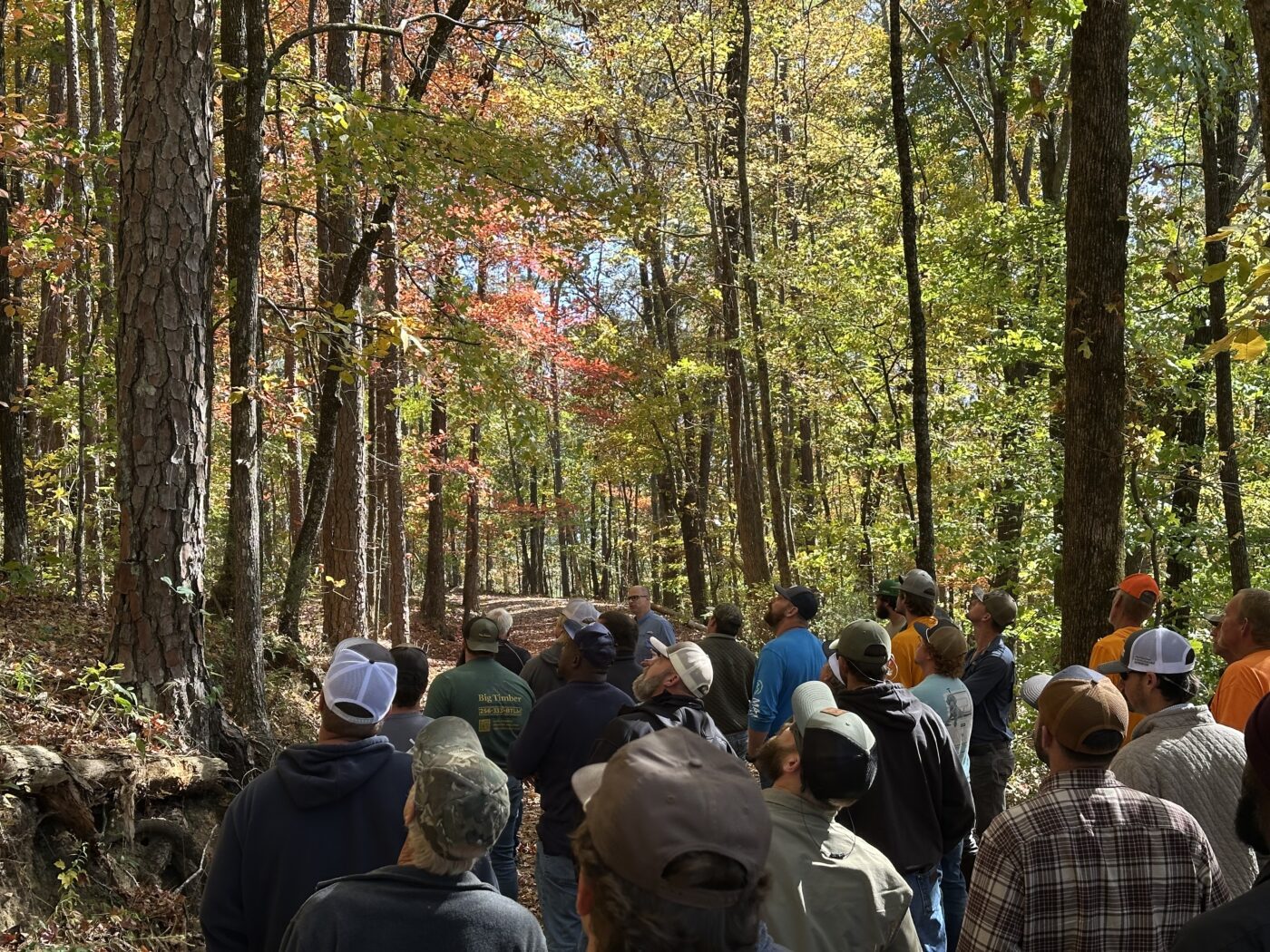 PLM Initial Training Contacts (New PLM): 99
PLM Initial Training Demographics: 41 Alabama counties represented; 38 average age (18–76); 83% White, 12% Black, 1% Hispanic, 3% Native American, 1% other; 97% male, 3% female; 80% loggers, 9% foresters, 3% timber buyers, 1% truck drivers, 7% other
PLM Initial Training Participants Logging Experience: 12% less than 1 year, 27% 2–5 years, 15% 6–10 years, 19% 11–20 years, 14% 21–30 years, 8% 31–40 years, 5% more than 41 years
PLM CFE Participant Contacts and Hours: 522 contacts, 953 hours
RF CFE Participant Contacts and Hours: 1,038 contacts, 1,580 hours
Out-of-State CFE Contacts and Hours: 15 contacts, 79 hours
Overall CFE Contacts and Hours: 1,575 contacts, 2,612 hours
Products: Peer-reviewed Extension publications available at www.aces.edu
Evaluation Techniques: Surveys following PLM initial trainings and CFE workshops
Direct Impacts:
- Increased knowledge of sustainable forestry practices by 72% (67% in 2024, 57% in 2023, 65% in 2022, 58% in 2021).
- PLM initial training materials were clear and easy to understand (4.8/5), well organized (4.9/5), and valuable by increasing knowledge (4.7/5).
Southern Forest Nursery Management Cooperative
 Project Leaders: Richard Cristan (Director), Nina Payne (Research Associate), Kelsey Shoemaker (Research Associate), Elizabeth Bowersock (Outreach Assistant)
The Southern Forest Nursery Management Cooperative (SFNMC) was established in 1972 to address critical issues affecting southern pine seedling production. The goal of the SFNMC at that time was to conduct research to develop effective weed and disease control technologies and transfer this knowledge to member nurseries. During the 1980s, the SFNMC began conducting seedling quality assessments as research showed that nursery-related factors such as seedling size, fertility, and health affected seedling performance after planting. The SFNMC continues this work in both pest management and seedling quality, but now also includes an emphasis on the environmental impact of pesticides and fertilizers in nurseries, fumigation methods, hardwood species, and the integration of nursery practices with site preparation and post-out planting operations. The SFNMC disseminates new information to member nurseries through technical research reports, seedling quality reports, annual meetings, newsletters, and field visits.
SFNMC Mission: To develop and disseminate available cultural, biological, and chemical technologies using an integrated system for the economical production and utilization of forest-tree seedlings in the southern United States.
Location: Southern United States (13 states)
Collaborators: 14-member nursery companies/ agencies (6 private, 7 state, 1 federal) for a total of 32 forest-tree seedling nurseries
SFNMC Annual Contact Meeting: 45 participants
Technical Reports (research): 5
Seedling Quality Reports: 121 (30 seedlings per sample and conducted before shipment from nursery to field planting site)
Seedling Diagnostic Reports: 25 (10+ seedlings per sample and conducted after field planting to determine the cause of mortality or decline)
Newsletters: 2 (spring and fall)
Research Trials: 6 new herbicide trials completed
Presentations: 8
Other: Provided more than 4,000 seedlings for other research projects and classes at Auburn University
Direct Impacts:
- Finished research trials for getting a new herbicide labeled for weed control in southern pine nurseries.
- Published yearly seedling production survey that includes total production for the southern United States (including nonmember nurseries). This is available in full to members and in a condensed version on the US Forest Service website as part of the total US seedling production.
Snake Identification and Safety
Project Leader: Wesley Anderson, Dylan Taylor Human-snake conflicts have existed for millennia. Snakes seem to capture the public’s imagination through a combination of fear and fascination. At the same time, many people are beginning to recognize their ecological importance, and requests for snake relocation rather than extermination have become increasingly common.
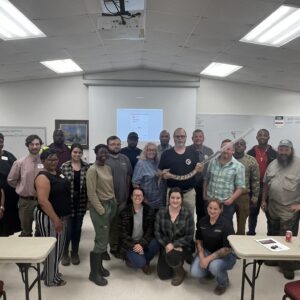
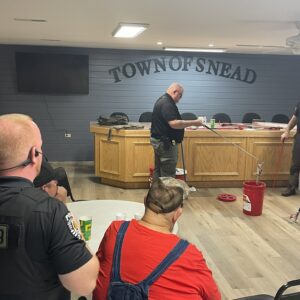
For that reason, the FWNR team identified the need to offer venomous snake training classes that focus on identification, safety, and proper handling techniques. In particular, an effort was made to ensure that those most likely to respond to a snake call received the training—particularly first responders, such as police officers, firefighters, EMTs, and animal control workers. These workshops teach attendees how to properly identify native venomous snakes, general safety, and steps to take if bitten. They culminate in attendees getting to interact directly with native venomous snakes, including timber rattlesnakes, copperheads, and cottonmouths, while using appropriate tools to handle and secure them for relocation.
Funding was not available to contract instructors and to offer free, full-day workshops to first responders, but three events were offered. These included one at The University of Alabama Arboretum, one as part of a professional logging manager workshop in Chilton County, and one by request for the Alabama Department of Transportation (ALDOT) at the Troy regional office.
In addition, two grants financed training specifically for first responders in 2026. Those included an Alabama Association of Resource Conservation and Development (RC&D) Councils grant of $16,740 for one workshop in each council region and a Wiregrass RC&D Council grant of $10,000 to offer five additional workshops across that region.
Number of Participants: 131
Funding Received: $26,740
Collaborators: The University of Alabama, ALDOT
New March 2026, Forestry, Wildlife & Natural Resources Team Impacts 2025, FOR-2199