
Fire

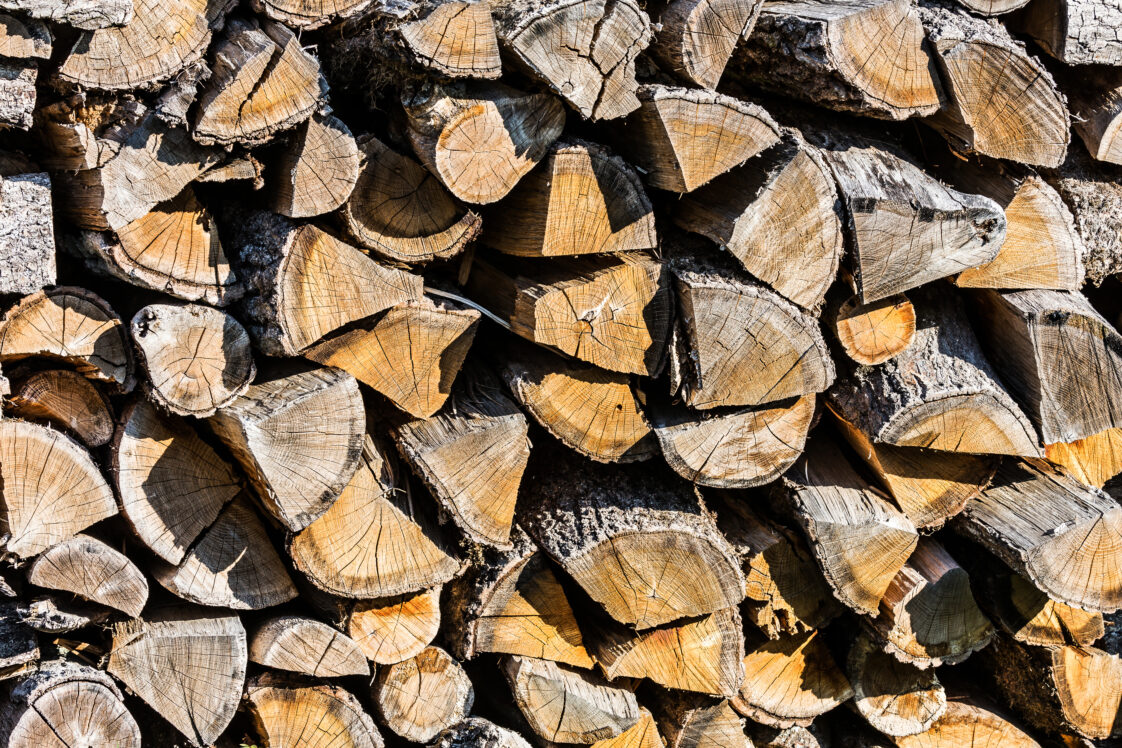
Winter is a great time of year to explore Alabama’s forests and spend time around an outdoor fire. But when you pick up a bundle of firewood for a camping trip or a backyard bonfire, you probably aren’t thinking about what might be beneath that bark.
To forest health experts with Alabama Extension at Auburn University, the source of firewood is just as important as selecting a safe location to burn a fire. Why is that? It’s because transporting firewood can have real consequences. Firewood can carry destructive forest pests. They may be difficult to spot immediately, but once at your fire or campsite, they have the potential to adapt to that new location.
Every year, invasive insects and diseases cause economic and ecologic damage to millions of trees in the United States. Many of these pests travel farther and faster than in the past due to modern transportation systems. For example, they can hitch a ride in firewood tossed into a truck bed. Fortunately, preventing the spread of invasive insects and diseases is simple: buy firewood where you burn it.
The Problem: Forest Pests and Pathogens Outside Native Ranges
Forest pathogens and pests are a natural part of the nutrient cycling in Alabama woods. In normal years of abundance, native insects like the Southern pine bark beetle assist in the process of breaking down wood and making it more bioavailable to the next cohort of timber. These native forest pests and pathogens are necessary for the continued health and proper functioning of native forests.
Even when a piece of wood looks clean and dry, it can still harbor invasive beetles or pathogens. Those include emerald ash borer, Asian long-horned beetle larvae, fungal pathogens such as oak wilt or laurel wilt, and more.
Once these pests are introduced into a new forest, they may have no natural enemies to keep them in check. The results can be extremely detrimental. Invasive species can cause wide-scale tree mortality, which alters wildlife habitat and can cost communities millions in lost timber value, tree removal, and restoration efforts.
For example, Colorado recorded its first case of emerald ash borer in 2013, attributed to firewood transported from the Midwest. Little resistance or resilience has been shown by the state’s native ash trees. As of October 2025, emerald ash borer has been detected in 20 cities in that state. Ash trees comprise more than 15 percent of the state’s forests, and emerald ash borer is a real potential threat.
In July 2017, the Alabama Forestry Commission confirmed the first case of emerald ash borer in Alabama. Since then, it has spread to seven counties, with the most recent two county confirmed detections in 2025. The origin of emerald ash borer in Alabama has been attributed to the transportation of forest supplies and materials to include firewood as a primary source. To prevent a similar rate of spread in Alabama, it is important that people work to limit the transportation of emerald ash borer infested firewood to contain further impacts.
Buy Local, Burn Local
By buying and burning locally, you are helping Alabama forests and forest managers to do the following:
- Reduce the spread of invasive species. Many forest pests typically move only a few miles per year on their own. But firewood moved by people can carry them hundreds of miles in a single weekend. Buying local ensures any pests in the wood are already present in the area and are not being introduced to a new forest.
- Protect local forests and wildlife. Healthy forests support everything from migratory birds, pollinators, and small mammals to the reliable and clean freshwater supply for a community. Preventing new invasive species from entering a forest helps maintain the ecological balance and health these systems depend on.
- Support local woodcutters and rural economies. Purchasing wood from local suppliers helps small forestry businesses, landowners, and woodcutters—keeping dollars in the community while reducing ecological risk.
- Meet state and federal recommendations. Many states encourage or require the use of locally sourced firewood in parks and campgrounds. Following these guidelines helps keep public lands safe for everyone.
Choosing Local Firewood
- Buy firewood within 10 miles of where you plan to burn it. According to the National Park Service and some state forest regulations, the recommendation is to source your firewood no more than 10 miles from where you plan to burn. Some states allow for up to 50 miles from the source. Make sure to check local regulations.
- Purchase wood from local vendors and trusted sources within the area. Avoid roadside sellers that may transport firewood into popular outdoor destinations. Seek local timber growers and markets first.
- Look for certified heat-treated wood. If you must buy firewood far from your destination, choose bundles labeled as heat-treated or kiln-dried. These have been processed to kill pests and pathogens lingering in the wood.
- Leave leftover wood behind. When you camp in a new location, burn all your firewood before you go. Even small amounts left behind can spread pests.
Looking Ahead: Protecting Alabama’s Forests Together
In 2024, the Auburn University College of Forestry, Wildlife, and Environment finalized funding and secured property at the Port of Mobile to install a sentinel garden. This type of garden serves as an early warning system setup to capture the initial introduction of an invasive insect, pathogen, or plant entering through shipping channels or other routes of transportation. Populated by both native and ornamental (noninvasive) species, Auburn and the sentinel garden will work to capture and identify species that may threaten the health of Alabama’s urban and rural forests. Their goals are to identify and contain species at their point of origin, saving Alabama’s residents and managers costly, long-term eradication and remediation efforts.
Alabama’s forests are part of the state’s heritage, economy, and residents’ everyday lives. As Auburn advances projects like the sentinel garden, communities across the state can play their part, too. Prevention starts at home—with informed choices, responsible stewardship, and simple habits that collectively make a statewide impact. Whether you are lighting a campfire or preparing for a cool night outdoors, the choice to source local firewood is one of the easiest and most effective ways to safeguard forests from invasive threats. Stop forest pests at the source. Buy it local. Burn it local.