
Farming

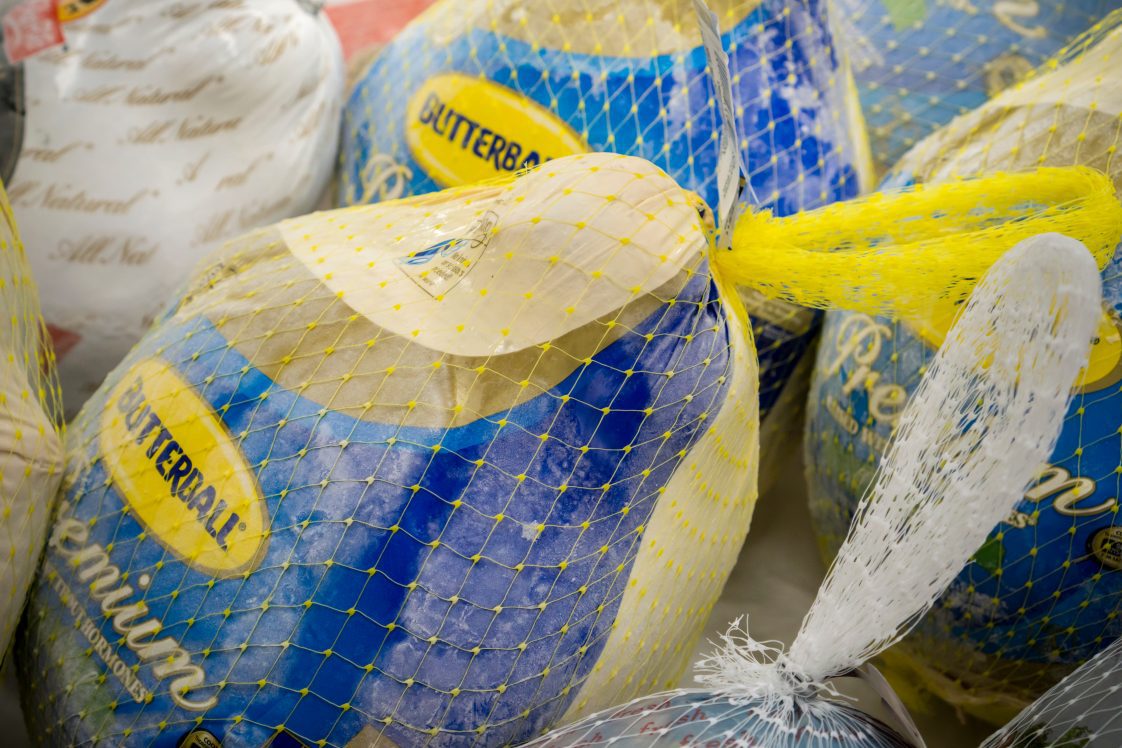
As Thanksgiving approaches, turkey is on everyone’s minds. Seasonal demand certainly affects price, but it is also impacts the turkey production schedule. Typically, additional young toms and hens are scheduled to hit the market in time to grace tables this fall.
Poult Placements and Eggs Set
To forecast upcoming holiday prices, numerous production schedule factors must be considered. Those include eggs set and poult placements. To hit the fresh market for Thanksgiving, young toms should be placed in late May to early June. Smaller young hens should be placed in August.
So far in 2025, poult placement compared to last year has been lower every month leading up to August. Also, turkey egg set was lower in most months in 2025 compared to 2024.
However, eggs set in hatcheries in July for August poult placement are up 1% over last year. Depending on the hatch, these eggs could bolster more fresh birds ready for the table in November.
Overall, there have been fewer poults placed in 2025, which likely means fewer fresh young toms and hens for the table. This could lead to higher prices this holiday.
Frozen Turkey Market
While the frozen market is trending up in its usual seasonal pattern, there are still fewer pounds of turkeys in cold storage than compared to years past (Fig. 1). This also suggests a lower supply for the 2025 holiday season.
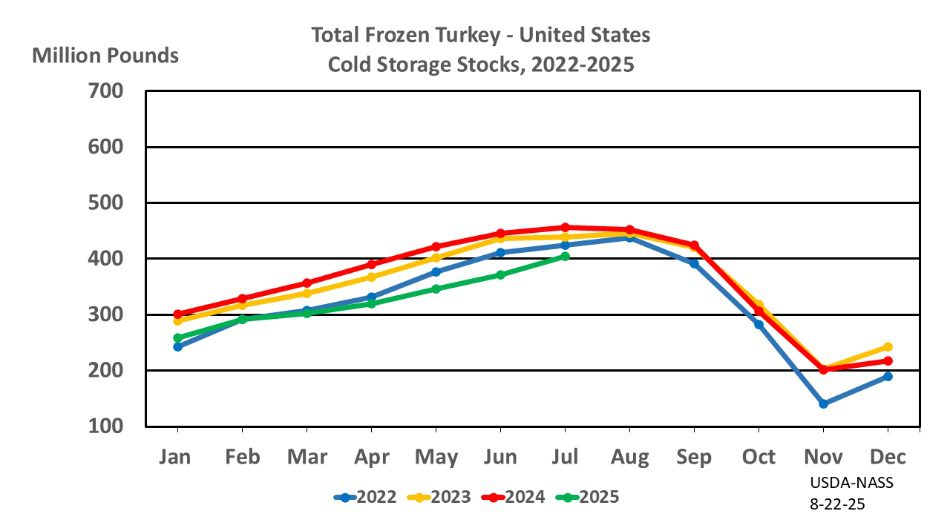
Fig. 1 Frozen turkey in storage is lower this year than the previous three years but trending upward, as is usual for the season. With overall placements lower, this decreased supply may linger and lead to higher turkey prices this year.
Fewer Birds Means Higher Prices
Lower supply usually results in higher prices. Fig. 2 shows that, for both large and small lot purchases, fresh turkey prices are higher in 2025 than in 2024. Although large quantity buyers were steady at $1.40 per pound going into fall, those prices may increase over the next month as availability dwindles and holiday inventory build begins. In fact, early September trading trended in the $1.55 per pound area. Many of these birds may be going into cold storage for Thanksgiving sales.
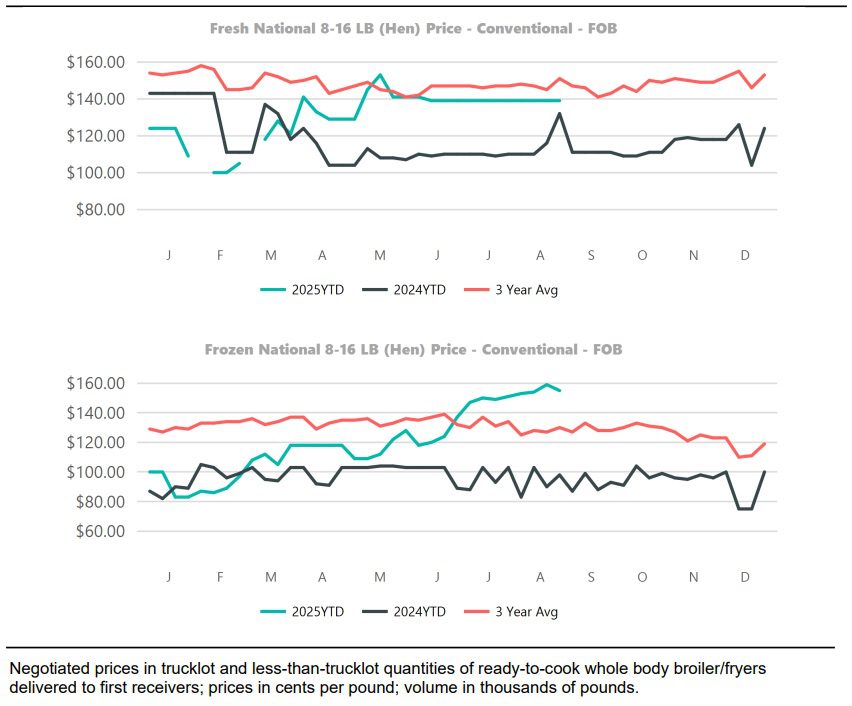
Fig. 2: Most whole birds, both fresh and frozen, come from smaller turkeys, typically young hens. Large truckload lot prices have been steady for these birds, perhaps reflecting contracted long-term pricing from larger buyers. However, as can be seen in the small lot pricing, as holiday demand starts to build, prices are likely to increase in the next month.
Farmers’ Struggles
While current turkey prices are looking positive for producers, turkey growers have struggled these past few years. Growers lost over 18 million birds to Highly Pathogenic Avian Influenza (HPAI). Overall production has been below historical averages in the past two years (Fig. 3).
From August through early September, several HPAI cases hit turkey operations, causing 195,200 bird losses. As wildfowl migration ramps up, more cases will likely appear this fall. Depending on the timing and severity of such outbreaks, the fresh turkey market could get hit with additional supply shrinkage, which would translate into yet higher prices for the 2025 holiday season.
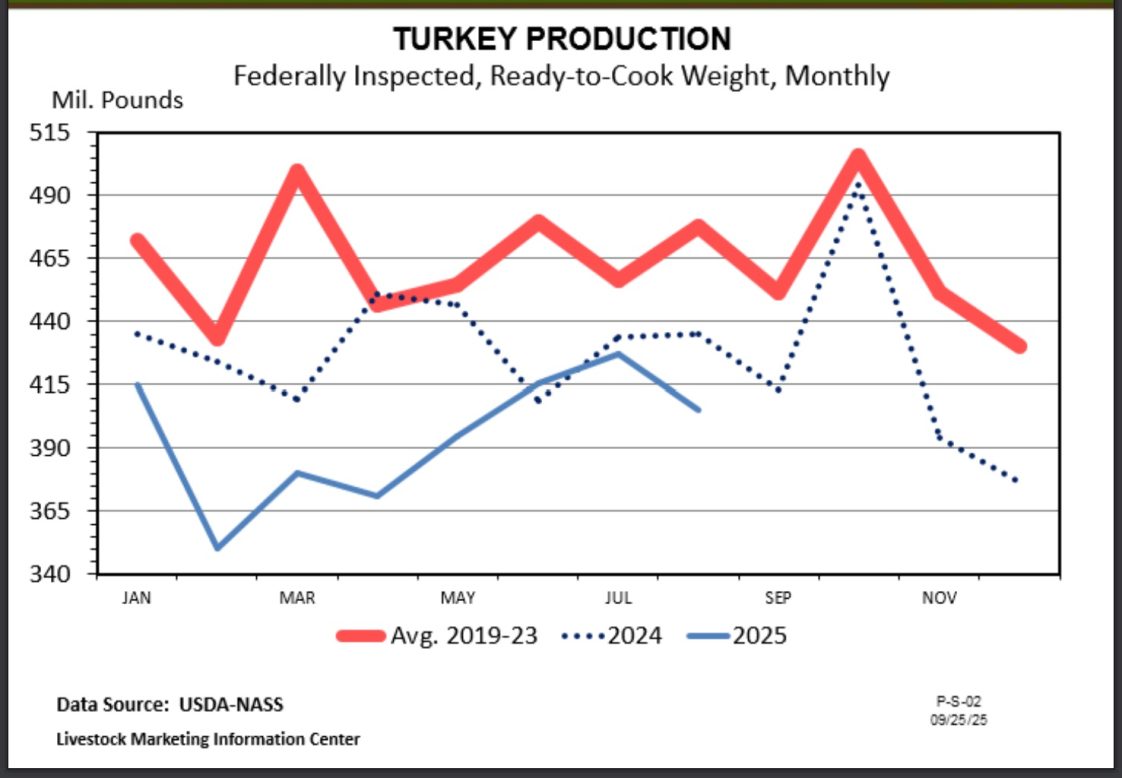
Fig. 3: Turkey production has been below historical average for the last two seasons. Looking at egg set and poult placement, this number is not expected to rebound soon.