
Farming

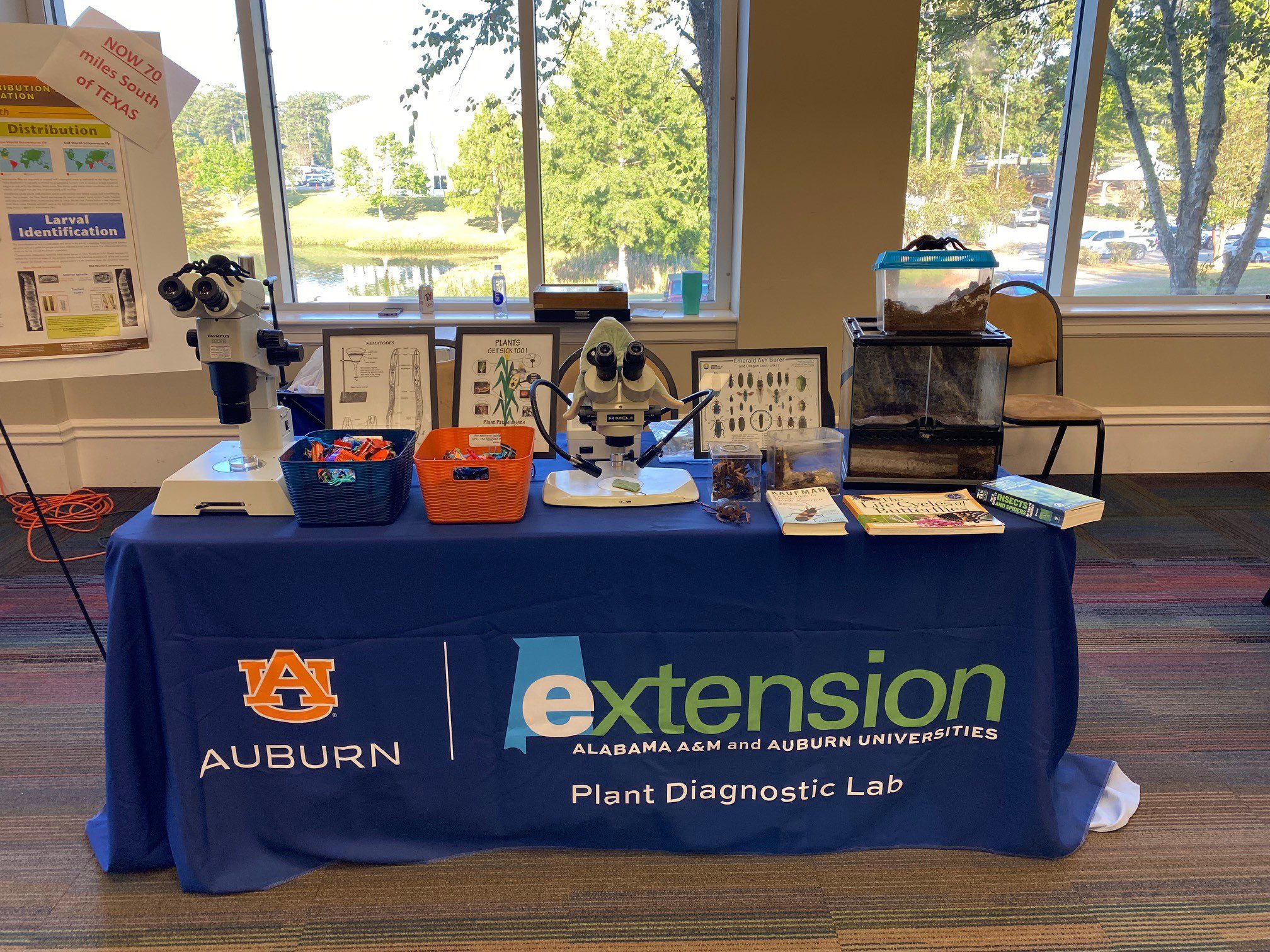
Auburn University’s Plant Diagnostic Laboratory services (AU-PDL) provides accurate identification of plant pests, diseases, insects, nematodes, and weeds across Alabama. Through Alabama Extension, specialists deliver science-based management recommendations that help farmers, homeowners, and land managers control problems while reducing unnecessary pesticide use. The program also supports early detection of invasive species, protecting crops, landscapes, natural resources, and Alabama’s agricultural economy.
Issue: Accurate pest diagnosis is the first and most critical step in any integrated pest management (IPM) program. Appropriate IPM recommendations require accurate pest identification. The Auburn University Plant and Insect Diagnostic Labs provide Alabama growers with pest identification and unbiased management recommendations to protect the health and productivity of plants in Alabama’s agricultural and natural ecosystems.
-
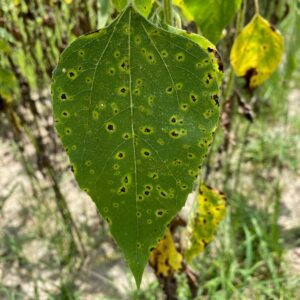
- Figure 1. Bacterial leaf spot of sunflower.
-
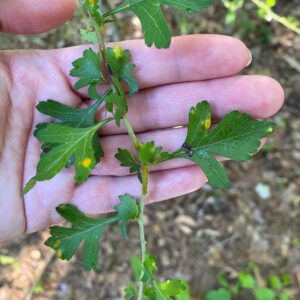
- Figure 2. Cedar-hawthorn rust
-
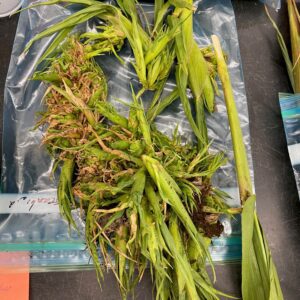
- Figure 3. Crazy top corn
-
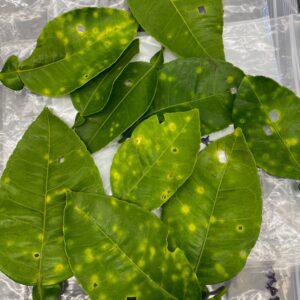
- Figure 4. Citrus canker
Clientele: The labs serve growers; homeowners; crop advisers; the nursery, landscape maintenance, and pest control industries; Extension personnel; state regulatory agencies; and federal regulatory agencies. Objectives: Identify the root cause of plant health problems that arise with growers in Alabama. Plant health problems include plant diseases; insects; weeds; crop nutrition; and environmental, chemical, cultural, and other unpredictable factors. IPM tactics are considered when providing management options to clientele and are based on research findings from Alabama and other southeastern states.
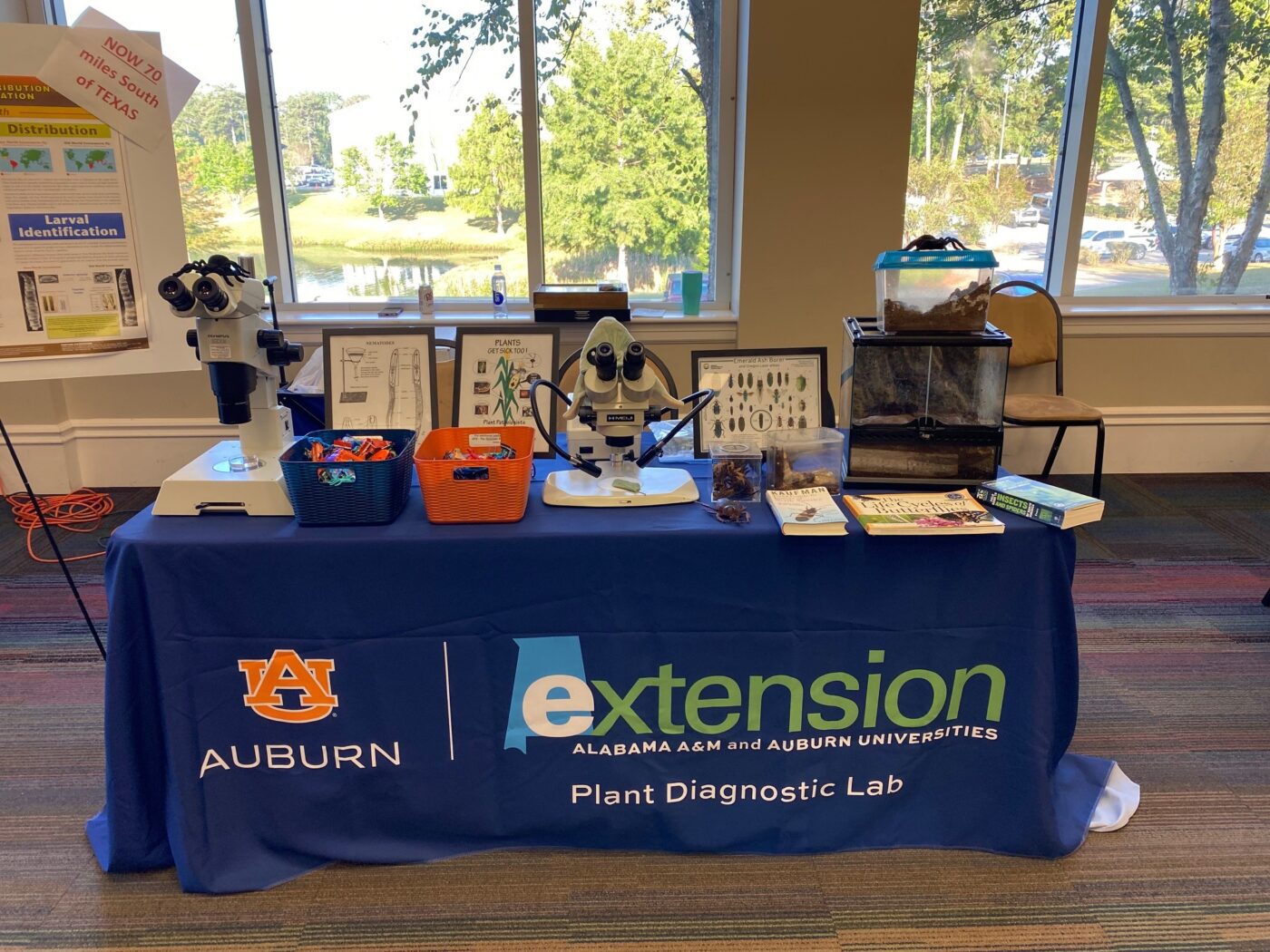
Figure 5. East Central Alabama Careers in Ag Expo
Impacts: The AU-PDL processed 6,471 samples during 2025; 1,936 of those samples were routine (945 plant samples, 823 nematode samples, and 168 insect samples). Throughout the year, 1 percent of the clientele is surveyed to determine specific impacts based on recommendations provided through diagnostics. Clients surveyed (n=19) saved an average of $621 per sample from following lab recommendations. With 1,936 routine samples, the lab saved clients $1,202,256. Of the clients surveyed, 95 percent indicated that they adopted or planned to adopt the IPM recommendations provided by the AU‐PDL based on their diagnostics.
In addition to the diagnostics performed, the AU-PDL published three Extension articles, seven peer-reviewed journal articles, four conference proceedings, and three pest alerts. Personnel also gave lab updates and sixteen presentations to various groups on disease, insect identification, and management. The AU-PDL identified seven first reports in Alabama, maintained USDA certification for testing four regulated pathogens of concern in the area to assist USDA, the Alabama Department of Agriculture and Industries, and Alabama growers, and helped the National Clean Plant Network provide Alabama citrus growers with clean (disease-free) budwood. Lab personnel participated in multiple national working groups ranging from delusory parasitosis to emerging viruses in cucurbits. They also gave presentations at the East Central Alabama Careers in Ag Expo and participated in five other educational events at K-12 schools and summer camps.
Kassie Conner, Extension Specialist, Agronomic Crops, Commercial Horticulture, and Forestry, Wildlife, and Natural Resources; and Meredith Shrader, Diagnostician, Entomology and Plant Pathology, both with Auburn University
Revised May 2026, Sustainable Crops Educational Programs: Auburn University Plant Diagnostic Services 2025, ANR-3150